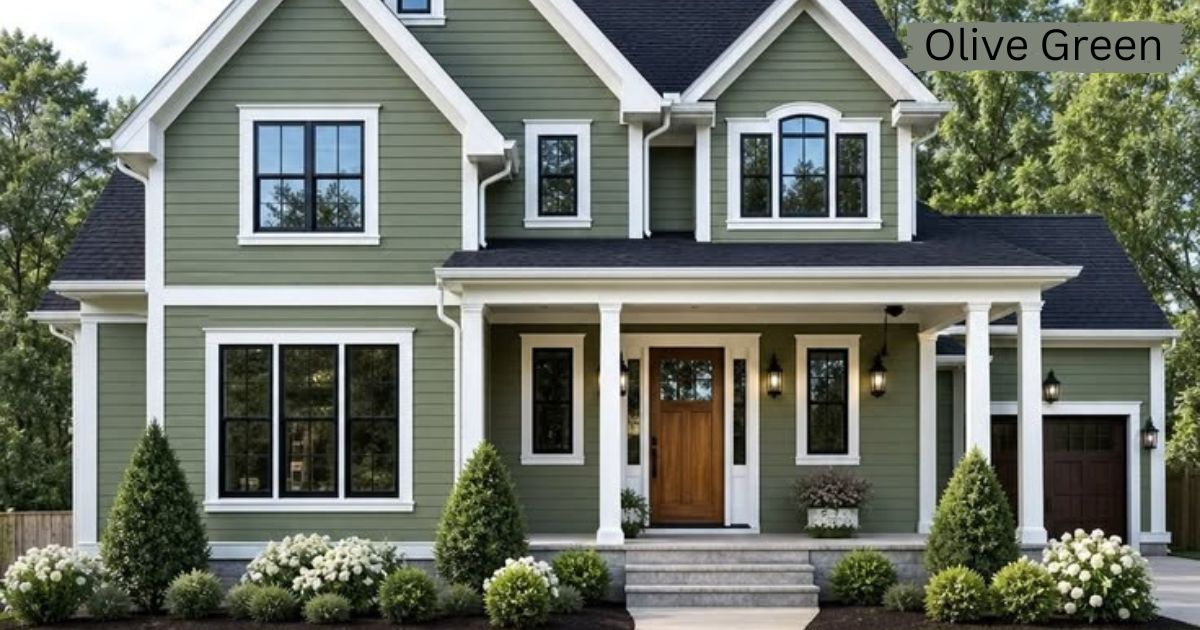
Olive green is a color that never seems to fall out of style, and that is exactly why people keep coming back to it. It sits between yellow and green with a soft touch of brown, which gives it a calm and grounded personality. You can spot it on runways, in living rooms and even on product packaging. In this guide, you will learn what makes this shade special and how to use it with confidence.
What Is Olive Green and Where Does It Come From
This shade gets its name from the skin of unripe olives, a muted yellow-green with gray and brown undertones. In color terms it is a darker and less saturated cousin of pure green. The brown hint makes it feel earthy and natural rather than bright or loud. That origin explains why the tone blends so easily with wood, stone, linen and leather, and why it looks right in both modern and traditional settings.
A Short History of This Earthy Shade
Olive tones have a long link with practical life. Armies used muted greens for uniforms and equipment because the color blends into fields and forests, which made it familiar to millions of people during the twentieth century. Later, fashion designers borrowed the military look and turned it into everyday jackets, trousers and bags. Interior designers followed, using the same earthy tone to bring a sense of nature indoors. Today the color carries a mix of function, comfort and style.
Olive Green Color Psychology
Color psychology links this tone with balance, stability and a quiet connection to nature. Because it is darker and softer than bright green, it feels mature and relaxed instead of energetic. Many people find it calming, which is why it works well in bedrooms, studies and wellness spaces. It also signals reliability and peace, making it a smart choice for anyone who wants a warm and steady mood without relying on neutral colors alone.
Popular Shades of Olive Green
Not every olive looks the same, and the right version depends on lighting and purpose. Light versions lean toward sage and feel airy, while deep versions lean toward forest and feel rich and dramatic. Yellow-leaning options look sunny and warm, whereas gray-leaning options look quiet and modern. Testing small samples in your space at different times of day helps you see how each variation changes with natural and artificial light.
Olive Green in Fashion
In clothing, this color works as a neutral that still has personality. A field jacket, cargo trousers or a knit sweater in this tone goes with denim, white, black, cream and tan without effort. It flatters many skin tones, especially warm ones, and it hides everyday wear better than pale colors. Accessories such as scarves, caps and bags offer an easy way to try it before buying larger pieces for your wardrobe.
Olive Green Home Decor Ideas
At home, this shade brings nature indoors without feeling heavy. A velvet sofa, linen curtains or a set of cushions can introduce it gradually, while an accent wall makes a bolder statement. Pair it with natural wood, woven baskets and brass details for a warm and layered look. Plants also look wonderful against it, since the leaves and the background share a similar earthy base that feels cohesive and relaxed.
Kitchen and Cabinet Ideas
Kitchens have become a popular place for deep earthy cabinets. Painted cabinets in this tone look refined with white countertops, butcher block or natural stone. Brass or matte black handles add contrast and a polished finish. Because the color hides marks better than white, it also suits busy family kitchens. If a full cabinet change feels like too much, painting only the island or lower cabinets gives a fresh look at a lower cost.
Best Colors to Pair With This Tone
Good pairings make or break the look. Cream, ivory and warm white keep the mood soft and bright, while terracotta, rust and mustard create a cozy autumn feel. Navy and charcoal bring depth and a more formal tone, and blush pink gives a surprising yet gentle contrast. When in doubt, combine the shade with natural textures like wood, jute and cotton, which always support its earthy character and keep the palette balanced.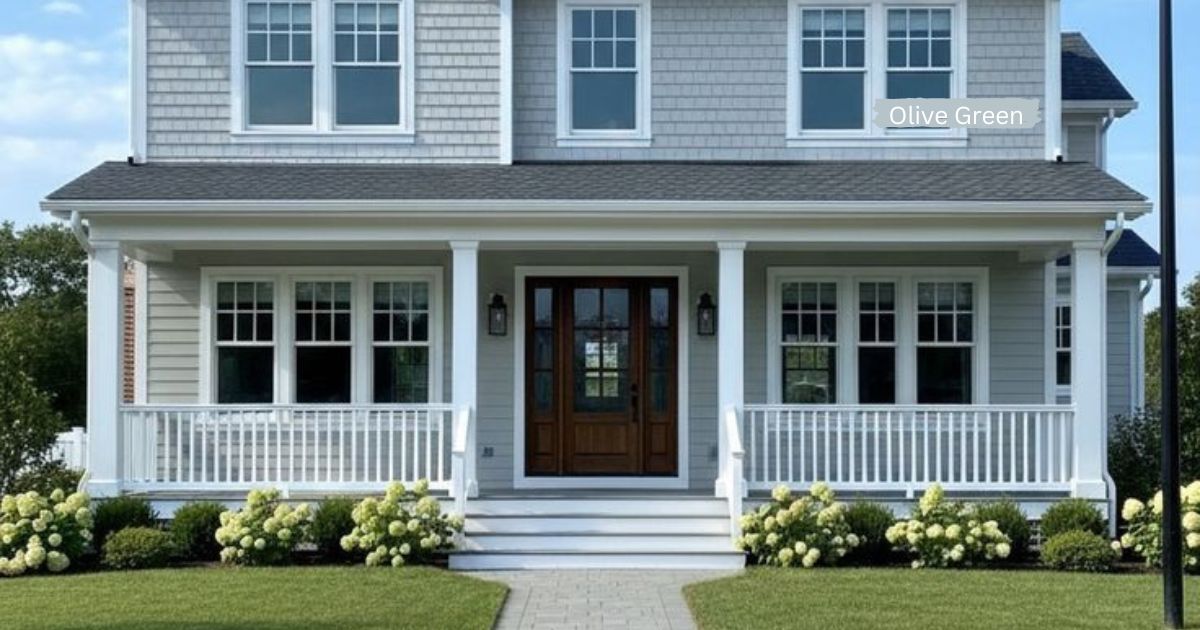
Painting Walls With This Shade
When choosing paint, look at the room’s light first. North-facing rooms can make deep tones look dull, so a lighter and warmer version is safer there, while sunny rooms handle richer depths well. Matte or eggshell finishes give a soft and modern look and hide wall flaws. Buy a sample pot, paint a large square and watch it for a full day before committing to a whole room.
Branding and Design Uses
Designers and brands use this tone to communicate calm, nature and trust. It suits organic food, wellness, outdoor gear and sustainable products because it feels honest and grounded. On websites and packaging it pairs nicely with cream backgrounds and simple typography. Since it is less bright than pure green, it looks premium and mature, helping a brand stand out without shouting for attention in a crowded market.
How to Choose the Right Tone
To choose the right tone, start with the purpose. For clothing, think about your skin undertone and the colors already in your closet. For rooms, consider light, furniture and the mood you want. For branding, match it with your audience and message. Always compare samples side by side, because small differences in undertone change how a color feels. A little patience at this stage saves time and money later.
Conclusion
Olive green offers a rare mix of calm, warmth and versatility that suits fashion, homes and brands alike. By understanding its undertones, pairing it with natural textures and testing samples in real light, you can use it with confidence. Whether you add a single cushion or repaint a whole room, this earthy color keeps proving its lasting value.
FAQs
What colors go well with olive green?
Cream, white, navy, terracotta, mustard and blush pink all pair nicely with it. Natural textures like wood and linen also work well.
Is olive green a warm or cool color?
It is generally considered a warm, earthy tone because of its yellow and brown undertones. Gray-leaning versions can feel slightly cooler.
Is olive green good for bedroom walls?
Yes, its calming and natural feel suits bedrooms well. Choose a matte finish and test a sample in your lighting first.
Can I wear olive green in every season?
Yes, lighter fabrics work in spring and summer while knits and jackets suit fall and winter. It acts like a versatile neutral.
