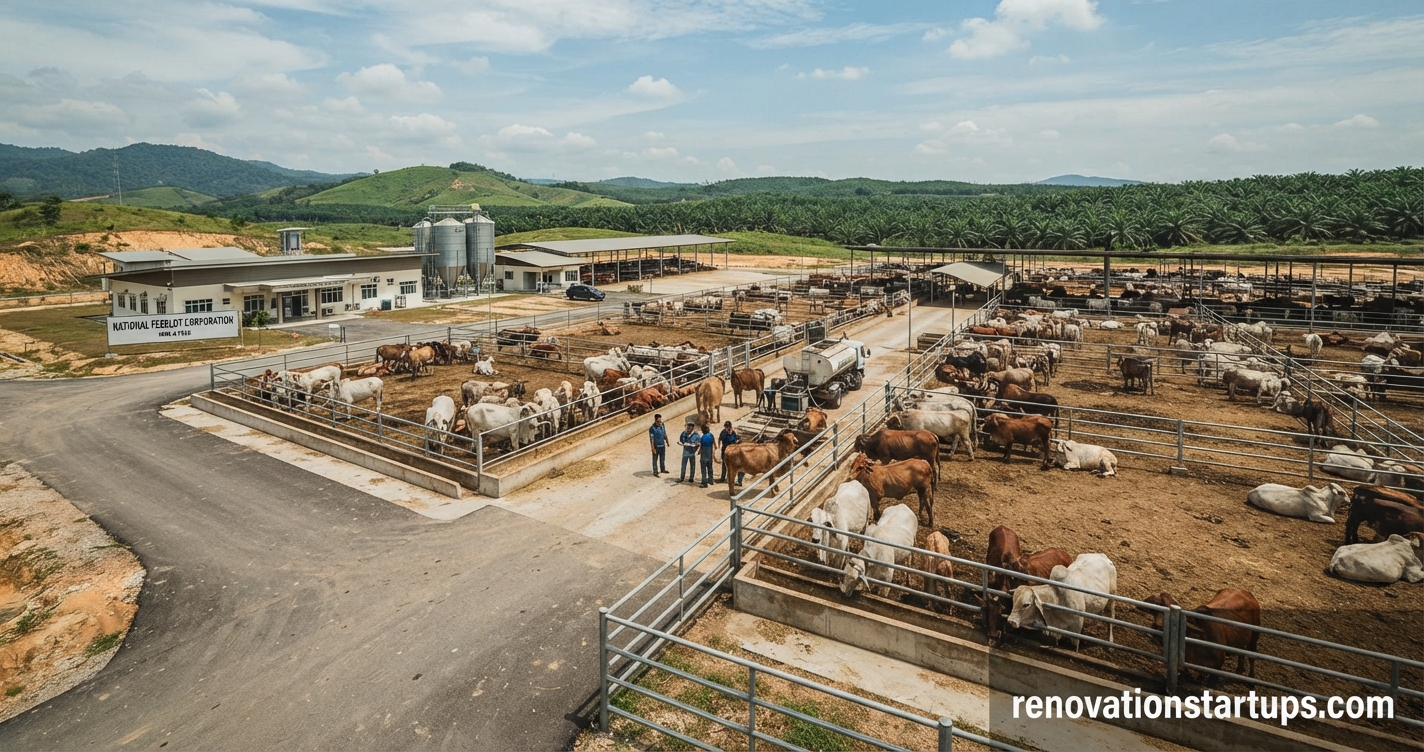
National Feedlot Corporation is a Malaysian company that borrowed RM250 million from its government to build a cattle feedlot centre in Gemas, Negeri Sembilan. The project collapsed into a long court fight. In 2023, the High Court ordered the company to repay RM33.7 million, far less than the government wanted, and ruled that the government had also broken the agreements.
We read through court reports, news coverage of the statement of claim, and the latest parliamentary reply before writing this. Think of it as a friend walking you through the paperwork so you don’t have to.
What Is National Feedlot Corporation?
Hi friend, let’s start with the basics. You might wonder what a feedlot even is. It’s a confined area where cattle are fed grain and other concentrated feed for a few months before slaughter. Canadians know the model well, since a large share of Canada’s fed cattle are finished on feedlots in southern Alberta. The Malaysian version aimed to do something similar at a national scale. Known as NFCorp, it is a private limited company, founded in 2006. Its executive chairman is Datuk Seri Dr Mohamad Salleh Ismail. We’ll keep the focus on what the public record shows, which is plenty.
How Does a Feedlot Work?
Arrival and Health Checks
Cattle arrive from ranches, get vaccinated and are sorted by size. Vets watch for respiratory illness, which is a common early problem.
The Feeding Phase
Animals move onto a ration of grain, silage and supplements. A typical program runs roughly 100 to 200 days, depending on starting weight and target market.
Finishing and Processing
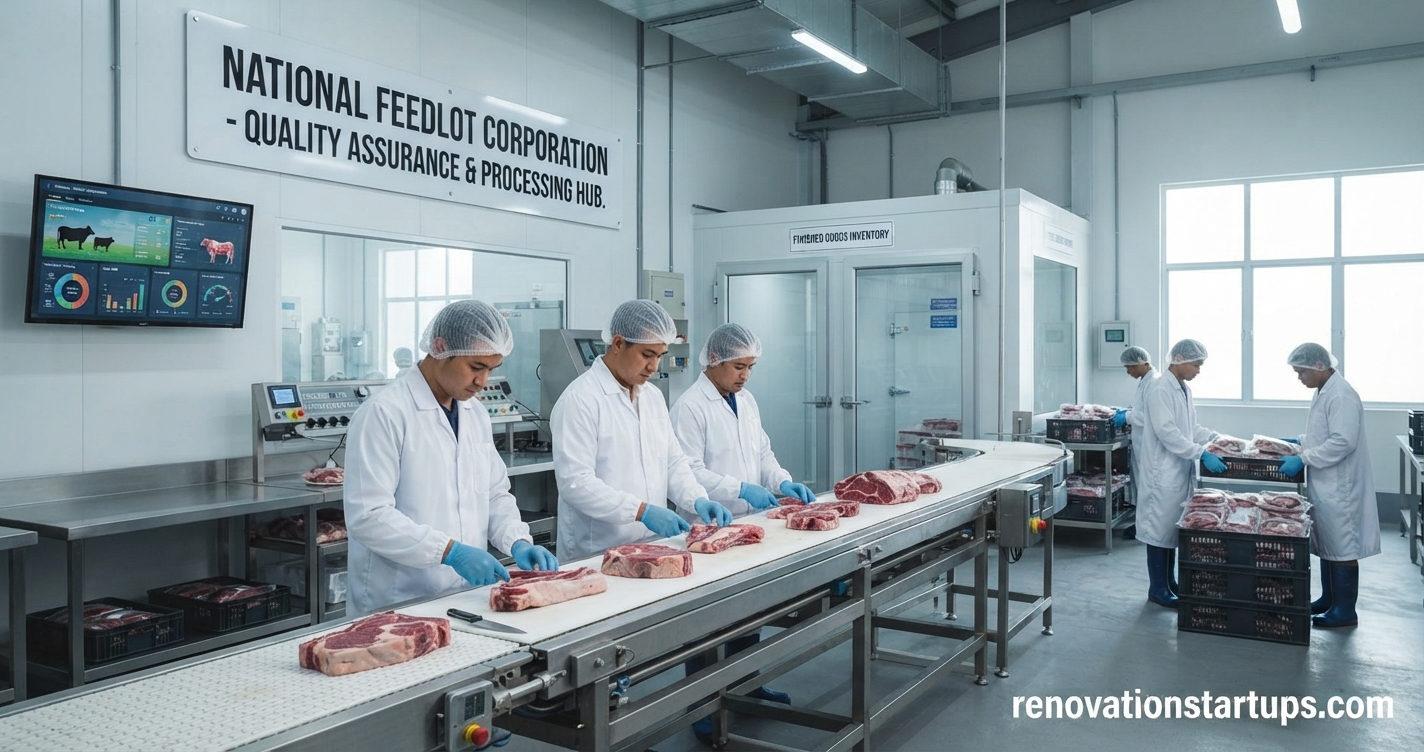
Once cattle reach market weight, they go to a packing plant. That’s the link the Gemas project lacked, since the planned export-quality abattoir was never built.
How Did the RM250 Million Loan Work?
Here’s where the story really starts. On 6 December 2007, the government signed a RM250 million loan agreement with National Feedlot Corporation to establish and run the Gemas centre as part of a policy to grow domestic beef production. The money was released in three tranches between January 2008 and March 2009. Repayment was set at RM17 million a year from 2012 to 2028. For Canadian readers, RM250 million works out to roughly CAD 80 million, though you should check the current exchange rate. That’s a serious sum for a single agricultural project.
The goal was food security. Malaysia imports most of the beef its people eat, so a large domestic supply chain looked attractive on paper. In court, the chairman defended the idea, saying the centre was viable because it served national food security.
Why Did the Government Take Legal Action?
Questions about how National Feedlot Corporation spent the money surfaced publicly around 2012, including reports of investments in high-end properties. The dispute reached court on 31 May 2019, when the government sued the company, Mohamad Salleh and nine other defendants, alleging that RM118 million of the loan had been misused.
It said only RM8.32 million of the RM180.51 million withdrawn went straight to third parties for the project itself. The government claimed RM253.62 million plus interest. Interest at 2 percent a year was part of that claim. The company disagreed. It said the government itself had breached the agreements, and it filed a counterclaim of about RM86 million for losses after the project was suspended.
Who Else Was Named in the Lawsuit?
The government named eleven defendants in total. Besides the company and its chairman, there were his three children and six businesses controlled by the family. Firms such as National Meat & Livestock Corporation Sdn Bhd and Meatworks Corporation Sdn Bhd were among them. Keep the entities straight when you research this topic, since each defendant is a separate legal party.
What Did the High Court Decide in 2023?
On 13 October 2023, Judge Anand Ponnudurai delivered a split judgment in the case involving National Feedlot Corporation. Four outcomes matter most.
Repayment of the Unused Loan
The company must repay RM33,743,591.37, the portion of the loan that was never used for the project.
The Seized Money Stays With the Government
The court said the government was entitled to RM86.9 million that had been seized from the defendants and held by the Accountant General. Investment properties were ordered transferred to the government as well.
Fraud Claims Were Not Proven
The judge said the government failed to prove its case of conspiracy, fraud and fraudulent breach of trust. The chairman called the ruling a vindication for himself and his family the next day.
The Counterclaim Was Allowed
The court found that the government breached the implementation agreement by failing to build the Export Quality Abattoir and breached the loan agreement by unlawfully terminating it. It allowed nominal damages on the counterclaim.
Where Does the Case Stand Now?
Neither side appealed. The deadline passed on 12 November 2023, so the judgment stands. In October 2026, the Finance Ministry told Parliament in a written reply that it is still pursuing the RM33.74 million from National Feedlot Corporation and gave no timeline. It also said the government has recovered RM86.9 million and terminated the National Feedlot Project after the court decision.
Honestly, that’s a long tail for a project that began in 2007. I couldn’t find a current operating status for the company itself, so we shouldn’t guess. For anyone tracking this, the next signal to watch is whether the ministry publishes a recovery timeline.
What Can Canadian and American Readers Learn From It?
Infrastructure Comes First
A feedlot is only one link in a chain. Without a processing plant, cattle have nowhere to go. In Alberta, feedlots sit within reach of major packing plants, and the court’s finding about the missing abattoir shows why that matters.
Contracts Decide Outcomes
Much of the case turned on who owed what under the loan and implementation agreements. If you ever sign a government-backed agricultural deal, read the delivery obligations on both sides as closely as the repayment schedule.
Accusations Aren’t Verdicts
For years, allegations about National Feedlot Corporation made headlines. The court later found the fraud claims unproven. Wait for the judgment before drawing conclusions, and check what a ruling actually decided.
Why Does This Story Still Matter?
Because both sides accused the other of breaking the deal, and the court partly agreed with each. The money at stake was large, the planned beef output never materialized, and the final bill is still unsettled nearly two decades after the loan was signed. If you follow agriculture or public spending, I think it’s worth knowing. Thanks for reading, friend!
FAQ
Is National Feedlot Corporation still operating?
I couldn’t confirm that. The government terminated the National Feedlot Project, and the company’s own current status isn’t clear from public reports.
How much does NFCorp owe the government?
The court ordered RM33.74 million in unused loan funds. The government says it’s still pursuing that amount, with no deadline set.
Was NFCorp found guilty of fraud?
No. This was a civil case, and the court said the government hadn’t proven its fraud and conspiracy claims.
Where is the National Feedlot Centre located?
In Gemas, Negeri Sembilan, in peninsular Malaysia.
