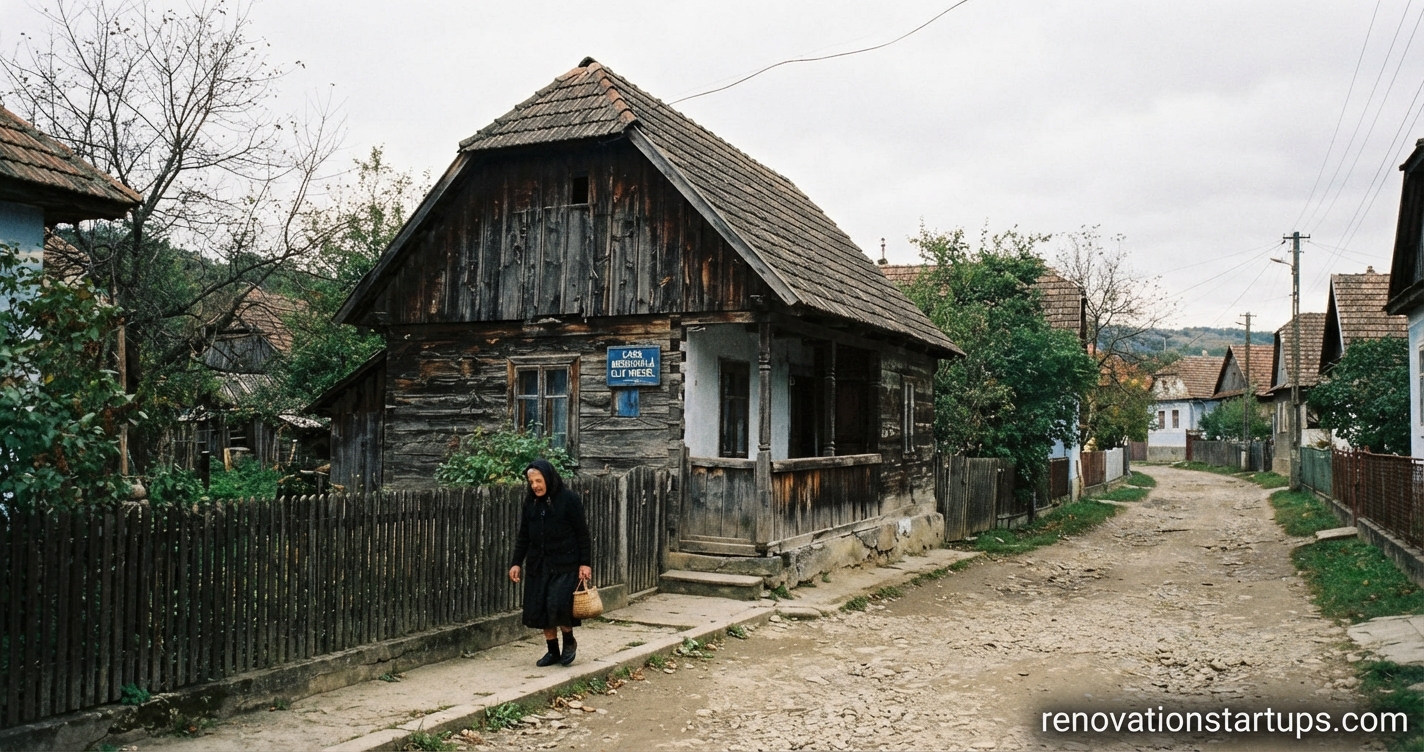
Elie Wiesel Romania is really three stories in one: a boy born in the town of Sighet in 1928, a family home that is now a museum, and a national institute in Bucharest that carries his name. Wiesel went on to write Night and won the Nobel Peace Prize in 1986. Romania, meanwhile, needed decades to talk openly about its own wartime record.
Ever wondered how a Nobel laureate known around the world stayed tied to one small town in northern Romania? Stick with me. I think the answer is more human than most summaries make it sound, and we’ll walk through it together.
Who was Elie Wiesel and where was he born?
Wiesel was born Eliezer Wiesel on 30 September 1928 in Sighet, then part of Transylvania and now called Sighetu Marmației. He grew up with three sisters and studied at a local yeshiva, a Jewish religious school. In 1944 his family was deported to Auschwitz. He survived, later wrote Night, and became one of the most recognized voices on the Holocaust. He died in Manhattan on 2 July 2016, aged 87.
Here is a number that stuck with me: Sighet’s Jewish population was 10,154 in 1930, and a few years after the war it was fewer than 35. That gap is why any conversation about Elie Wiesel Romania carries so much weight in the town itself.
What can you visit in Sighet today?
If you are planning a trip, or just exploring from your sofa, three places matter most. Opening hours change, so check the museum’s official channels before you go. Sighet sits near the Ukrainian border, so a visit pairs well with a wider Maramureș itinerary.
The Elie Wiesel Memorial House
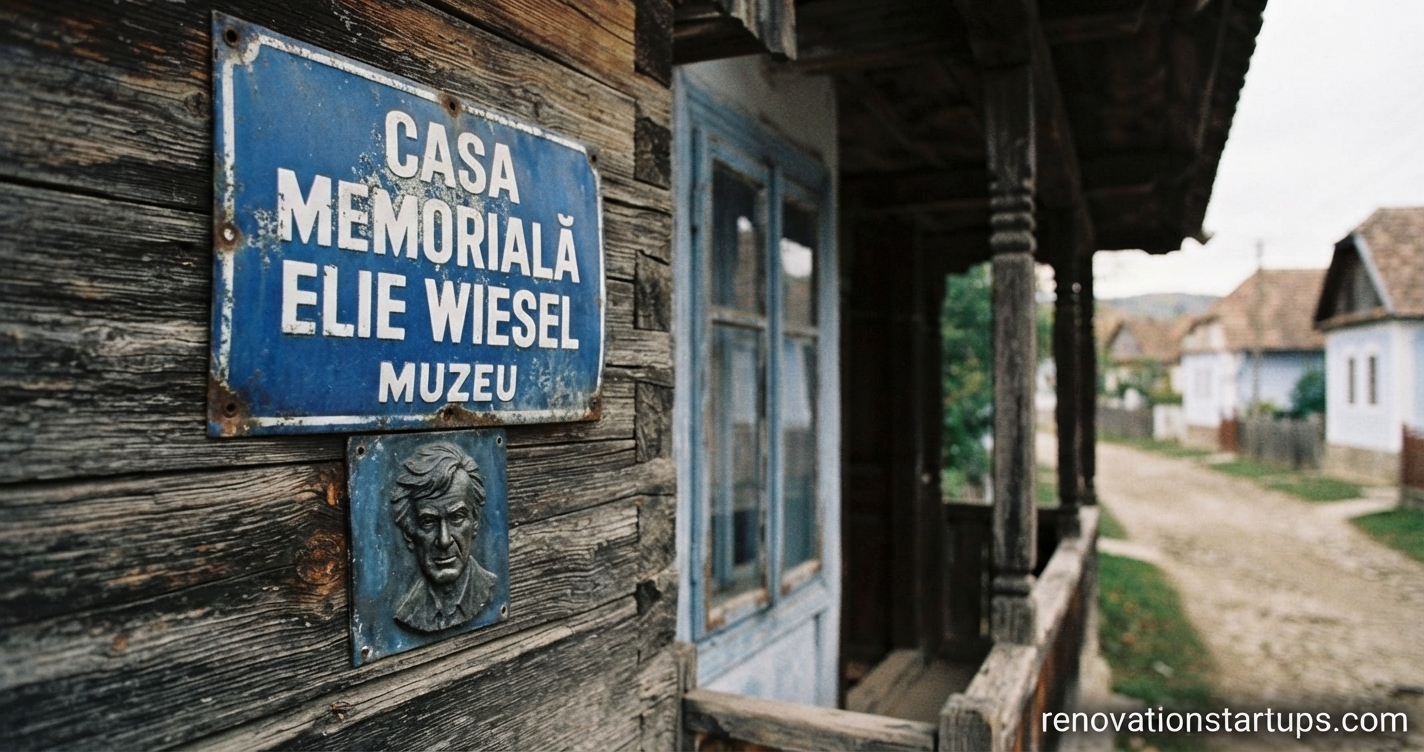
The house where Wiesel lived until he was 15 opened to the public in the early 2000s. Sources give 2002 for the opening, though one reports 2003, so I would write “early 2000s” if you quote it. Inside you will find furniture and décor that belonged to local Jewish families, a reconstruction of his desk, plus documents and photographs. Visitor accounts keep coming back to one thing: how ordinary the home feels. A radio on a table. A plain living room. That ordinariness is the point.
The Holocaust Cellar
In 2014 a learning centre opened inside the home, described at the time as the first public Holocaust education centre in Romania. It turns a family museum into a teaching space, which matters a lot for school groups.
Nearby memorials
A monument to roughly 38,000 Jews from Maramureș and surrounding areas, erected in 1947, stands nearby. The town also hosts a museum in a former political prison, dedicated to victims of communism. Sadly, the Memorial House has been targeted too: antisemitic graffiti appeared on it, and local officials and visiting Jewish leaders responded publicly. Only about two dozen Jews are reported to live in Sighet now.
What was the Wiesel Commission?
In 2003 Romania’s president and culture minister made remarks that downplayed the Holocaust in their own country. An international outcry followed, and the president set up an international commission led by Wiesel. The commission brought together experts from Romania, the United States, Israel, France and Germany. Its final report, delivered on 11 November 2004, concluded that between 280,000 and 380,000 Jews were murdered or died because of policies of Romanian civilian and military authorities. More than 11,000 Roma died as well. The report placed direct responsibility on the Antonescu-led state.
This is where Elie Wiesel Romania stops being only a biography and becomes a national turning point. The commission also recommended a national day of remembrance, and Romania now marks it each year on 9 October, with the first one held in 2004.
What does the Elie Wiesel Institute do?
The National Institute for the Study of the Holocaust in Romania “Elie Wiesel” was established by government decision in 2005 and opened on 9 October that year. It is based in Bucharest and falls under the Ministry of Culture. Its archive holds over one million documents, and it runs research projects, teacher training and public events. Since 2012 an international teacher-training organization has run yearly seminars in Romania with the Institute, and one took place in Cluj-Napoca in July 2026. Think of it as the daily-work side of Elie Wiesel Romania, carrying on what the Commission started.
What is new with Elie Wiesel Romania lately?
Recent reporting shows a mixed picture. Some of it is still developing, so check original sources before you quote anything.
Monitoring antisemitism
A survey run for the Institute in November 2025 asked 1,004 people about antisemitism, and the Institute reported 113 social media posts as a trusted notifier during 2025. In July 2026 it said antisemitic and denialist messages were becoming more visible in public life.
Political pressure
In February 2026 a protest outside the Institute demanded repeal of laws against antisemitism and Holocaust denial. In May 2026 Romanian media reported that the Institute accused the party AUR of wanting to dismantle it. That is a political dispute, so read how each side describes it.
Education and remembrance
The annual ceremony on 9 October 2026 took place at the Holocaust Memorial in Bucharest. The Institute also coordinates “Beyond Words,” a 2026 to 2028 project that uses visual storytelling in Holocaust education, with partners abroad.
How can you learn about Elie Wiesel Romania respectfully?
Start with Night, then read the Commission’s executive summary, which is freely available from major Holocaust research bodies. Visit with context and keep your phone away from solemn spots. If you are in Canada, you can begin closer to home at a Holocaust education centre in your own city, since some run talks tied to survivor testimony. Want a quick rule? Read first, travel second.
FAQ
Where was Elie Wiesel born?
In Sighet, Transylvania, now Sighetu Marmației in Romania, on 30 September 1928.
Can you visit Elie Wiesel’s house in Romania?
Yes, and it is the most direct way into Elie Wiesel Romania for most travellers. The house operates as the Memorial House and museum of Jewish culture in Sighetu Marmației. Confirm hours first. Expect a small, quiet museum rather than a large attraction.
How many Jews died under Romanian authority in the Holocaust?
The Wiesel Commission estimated 280,000 to 380,000 Jews, plus more than 11,000 Roma. Historians still discuss exact figures, so treat the range as an estimate.
When is Holocaust Remembrance Day in Romania?
9 October. The first observance took place in 2004.
What should you take away from all this?
So here we are, friend. Elie Wiesel Romania is a story of a modest house, a hard report and an institute that keeps doing quiet daily work. If you remember one thing, make it this: memory is not automatic. Someone has to keep a house open, keep an archive in order, and keep correcting false claims. In Romania that effort has moved forward, and it has also met resistance. Which part surprised you most? The numbers in Sighet, the 2004 report, or the 2026 political fight? Whichever it was, I hope you walk away with a clearer picture and a reason to read a little more.
