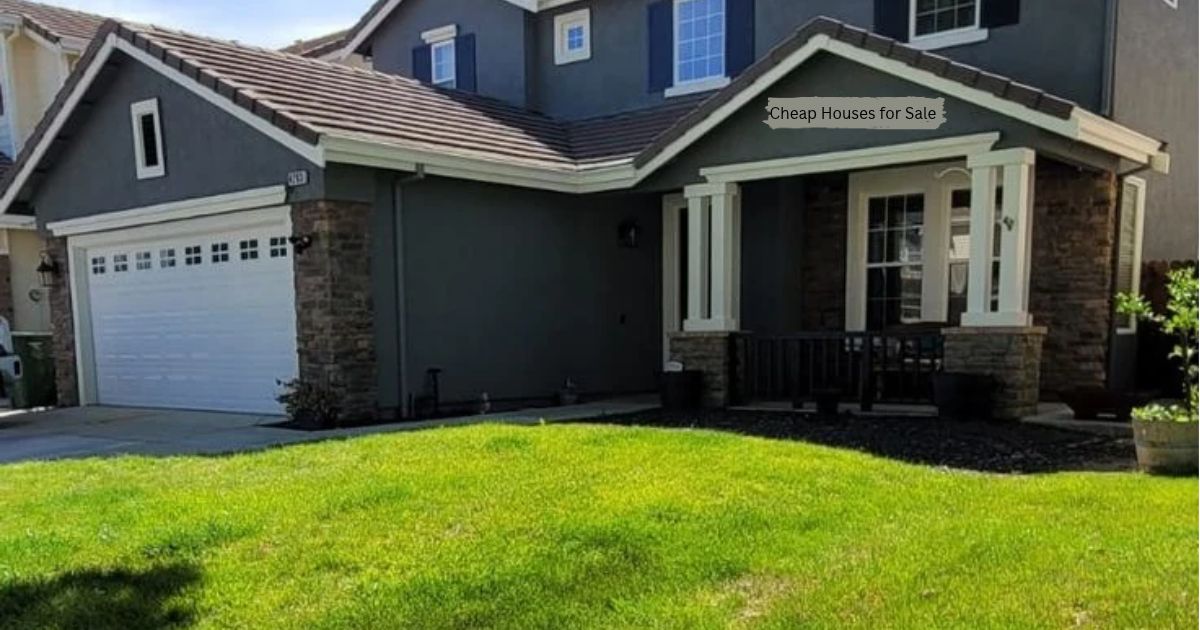
Rising rents and expensive mortgages push many families to look for affordable ways to own a home. That is why cheap houses for sale are getting more attention than ever before. A budget property can lower your monthly costs, build long term equity, and give you the freedom to renovate as you like. In this guide, you will learn where to search, what to check, and how to avoid expensive surprises.
What Makes a House Cheap?
A house is usually priced low because of its age, location, condition, or size. Some homes need only cosmetic updates, while others have deeper structural problems. Sellers may also lower prices to close a deal quickly during a move or an inheritance. Understanding the reason behind a low price helps you separate a true bargain from a costly problem. Always ask the agent why the home is priced below nearby properties.
Best Places to Search for Cheap Houses for Sale
Online property portals are the easiest starting point because you can filter by price, size, and area. Local real estate agents often know about listings before they appear online. Newspapers, community boards, and social media groups can also reveal hidden deals. If you are hunting for cheap houses for sale, check several sources every week so you can act quickly when a good listing appears.
Set a Realistic Budget Before You Start
Before visiting any property, decide how much you can comfortably spend each month. Include the mortgage payment, taxes, insurance, and routine maintenance in your calculation. A good rule is to keep housing costs below one third of your monthly income. Having a clear budget protects you from emotional decisions and helps you move fast when a suitable home appears.
Look at Foreclosures and Auctions
Foreclosed homes and auction properties are often sold well below market value because banks want to recover their money quickly. These deals can be rewarding, but they usually come with risks such as unknown damage or limited viewing time. Research the property history and check for unpaid liens before bidding. Bringing a trusted inspector or lawyer along can save you from a serious financial mistake.
Consider Smaller Towns and Suburbs
Home prices in big cities can be far higher than in nearby towns, even when the commute is short. Smaller communities often offer larger lots, quieter streets, and lower property taxes. Remote work has also made these areas more attractive to young buyers. Compare schools, transport links, and local services before you decide, because the lowest price is only useful when daily life still feels convenient.
Inspect the Property Carefully
A professional inspection is one of the best investments you can make before buying any budget home. Inspectors check the roof, foundation, wiring, plumbing, and signs of damp or pests. Their report gives you a clear picture of repair costs and strong evidence for negotiation. If the problems are too large or too expensive, you can walk away without losing much money.
Hidden Costs of Cheap Houses for Sale
A low purchase price does not always mean a low total cost. Repairs, taxes, insurance, and utility bills can add up fast. Buyers of cheap houses for sale should also plan for legal fees, transfer charges, and moving expenses. Keep an emergency fund of at least a few thousand dollars so surprise repairs do not drain your savings or delay your move.
Financing Options for Budget Buyers
Many lenders offer low down payment loans, first-time buyer programs, and government-backed schemes that make budget homes easier to afford. Compare interest rates from at least three lenders because even a small difference can save thousands over time. Get pre-approved before you start viewing homes so sellers know you are serious. A strong credit score also helps you secure better terms and lower monthly payments.
Negotiate Like a Pro
Price is rarely final, especially when a home has been on the market for several weeks. Research recent sales in the neighborhood and use them to support a fair offer. Point out repair needs found during the inspection, and ask the seller to lower the price or cover certain fixes. Stay polite, stay patient, and be ready to walk away if the deal stops making sense.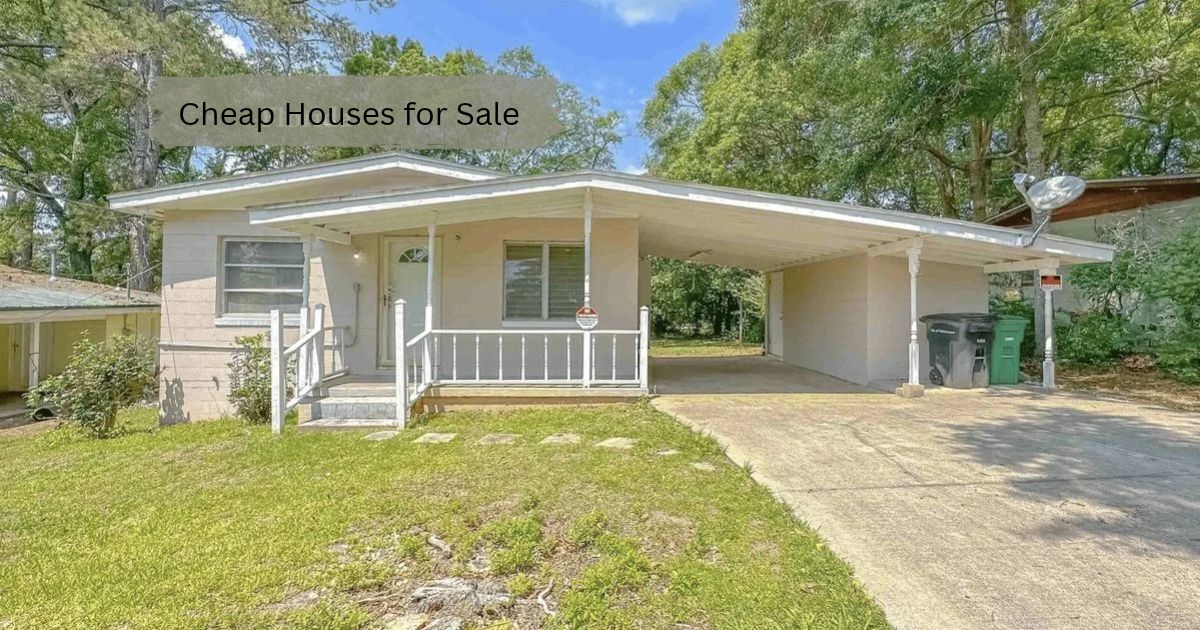
Smart Investment or Trap?
A fixer upper can become a valuable home if you choose the right one and plan the work carefully. Focus on cosmetic issues like paint, flooring, and kitchen updates, which are cheaper than structural repairs. Get written quotes from contractors before making an offer so you know the full cost. If repairs exceed the savings, the so-called bargain may turn into a financial burden.
Tips to Spot Great Cheap Houses for Sale
Good deals often share a few traits, such as a solid structure, a stable neighborhood, and a fair price compared to similar homes. When reviewing cheap houses for sale, visit the property at different times of day to notice noise, traffic, and neighbors. Talk to people who live nearby and check local development plans. These simple steps reveal details that listing photos never show.
Common Mistakes to Avoid
Many buyers rush into a purchase because the price looks attractive. They skip inspections, ignore hidden costs, or stretch their budget too far. Others fall in love with a house before checking the neighborhood or resale value. Slow down, ask questions, and compare several options so your decision is based on facts rather than excitement.
Conclusion
Buying a home on a tight budget is possible when you stay informed, patient, and careful. Cheap houses for sale can offer a real path to ownership if you research the area, inspect the property, and plan for extra costs. Use the tips above to compare options, negotiate wisely, and choose a home that fits your needs and your wallet.
FAQs
Where can I find cheap houses for sale?
Check property portals, local agents, auctions, and community listings in smaller towns. Searching cheap houses for sale in several places gives you more choices.
Are cheap houses for sale safe to buy?
They can be, as long as you get a professional inspection and verify the legal documents. Skipping these steps raises the risk of costly problems.
How much should I save before buying a budget home?
Aim for a down payment plus an emergency fund for repairs and closing costs. Many experts suggest saving at least three to six months of expenses.
Is a fixer-upper a good idea for first-time buyers?
It can be if the repairs are mostly cosmetic and you have a clear budget. Avoid homes with major structural damage unless you have experience.
