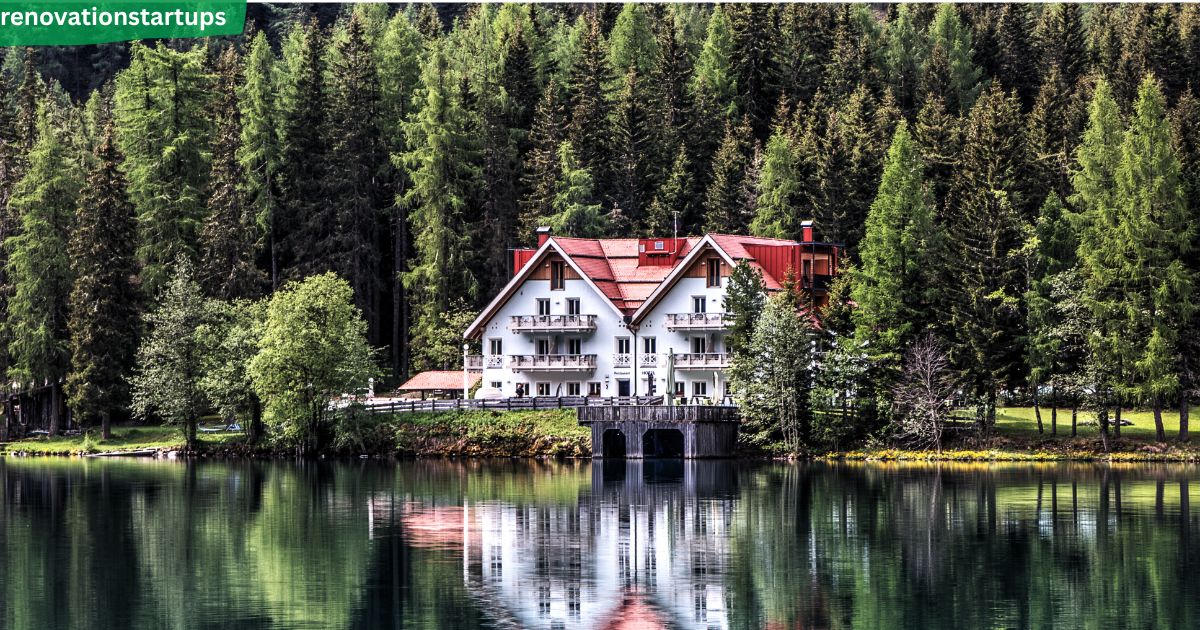
Looking to buy in Forest Hill Toronto? Expect to pay well over $2.5 million for an average detached home, and expect real competition for it. We have walked these streets for years, and this guide breaks down exactly what makes the neighbourhood tick, without the usual fluff, the marketing spin, or the recycled stats you see everywhere else online.
Where Is Forest Hill Toronto, Exactly?
Forest sits in Toronto’s midtown core, bordered by Bathurst Street to the west, Oriole Parkway to the east, St. Clair Avenue to the south, and Eglinton Avenue West to the north. Locals split it into Forest South and Forest North, and the line between the two runs along Eglinton.
A common pitfall: Google Maps sometimes excludes the southeast pocket near Avenue Road from the official Forest boundary. Don’t let that fool you, most residents still call it home, and agents still price it as Forest Hill.
The area’s topography is part of the draw. Gently sloping hills, winding roads, and small parkettes break up what would otherwise be a fairly flat stretch of midtown Toronto.
What Makes Forest Hill Homes Stand Out?
- Walk down any street here and you’ll notice something odd: every house looks different, yet they all fit together. That’s no accident. Bylaws from the 1920s required every home to be designed by a licensed architect, and that single rule shaped the entire streetscape.
- Another old rule forced every property owner to plant a tree out front. Decades later, those trees form a canopy that makes Forest feel more like a forest than a city block fitting, given the name.
- In our review of recent renovation listings, the Forest farmhouse look has become one of the most requested styles for new builds. Think white siding, black trim, and oversized windows layered onto century-old lots. It blends modern comfort with the area’s old-world bones, and buyers consistently respond to it.
- You’ll also spot genuine mansions in Lower Forest Hill, sitting beside more modest detached homes. That mix is rare this close to downtown, and it’s one reason values here have held up through several market cycles.
Why Do Families Pay a Premium to Live Here?
Schools. That’s the one-word answer we hear from almost every client searching this market.
Is Forest Collegiate Institute a Good School?
Forest Collegiate Institute consistently ranks among Toronto’s stronger public secondary schools, and it draws families specifically for that reputation. Parents we’ve spoken with cite small class sizes and a tight-knit community as the real draw, not just test scores.
Beyond Forest Hill Collegiate, the area runs several solid elementary options Forest Junior and Senior Public School, Cedarvale Community School, and Oriole Park Junior Public School all feed into the local secondary system.
Catholic families have options too. St. Michael’s College School and Holy Rosary Catholic School both serve the area.
What Private Schools Sit Inside Forest Hill?
Upper Canada College handles boys from prep through grade 12, while The Bishop Strachan School does the same for girls, both founded back in the 1800s. Havergal College, just north of Eglinton, offers a similar all-girls experience.
If private school access is your main reason for moving here, budget for proximity, not just tuition. Walkable distance to UCC or Bishop Strachan adds real dollars to a home’s asking price.
Where Do Locals Shop in Forest Village?
Forest Hill Village, centred on Spadina and Lonsdale, feels nothing like a typical shopping strip. Around sixty small storefronts fill a few quiet blocks, and the overall vibe leans village, not mall.
Expect boutiques over big brands here. You’ll find a small Rexall, an LCBO, a bagel shop, and a coffee spot not a huge variety, but exactly the kind of quiet convenience locals actually want.
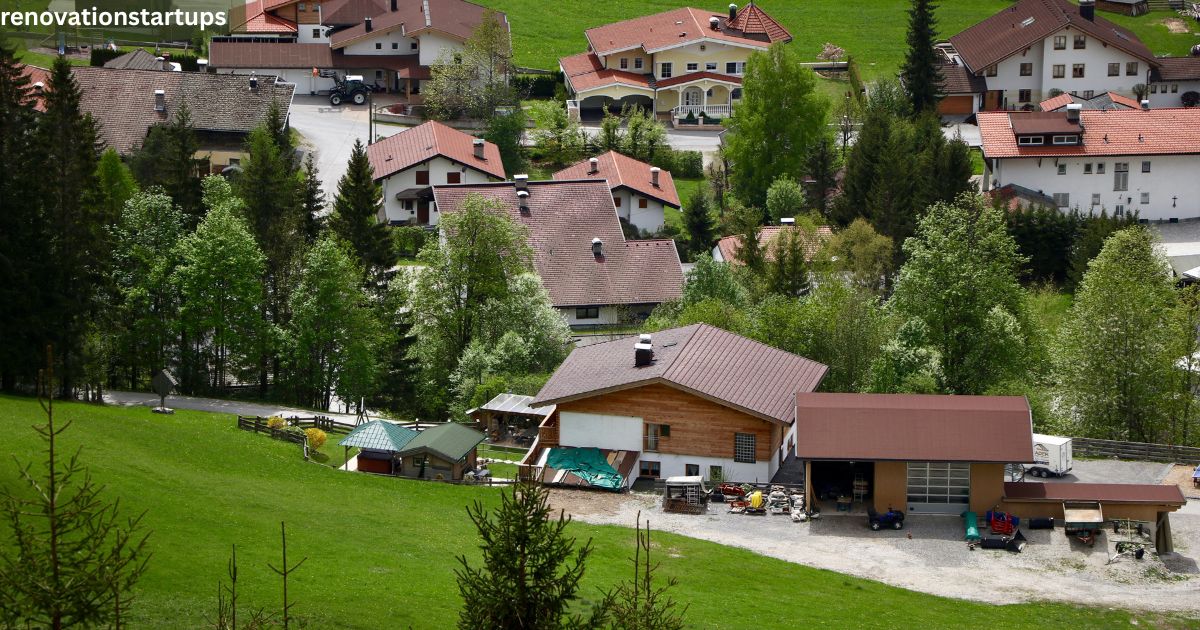
How Easy Is It to Get Around Forest Hill?
Forest South carries a solid transit score of 80, backed by roughly six bus routes and one rail line. Drivers get quick access to the Allen Expressway right off Eglinton Avenue West.
We’ve found the 512 St. Clair streetcar to be the most reliable connector whenever the subway runs construction detours north of St. Clair West station. Pair that with the Allen Road extension north of Eglinton, and most commutes downtown stay under thirty minutes.
What Green Space Does Forest Offer?
The Beltline Trail follows an old commuter rail route and cuts straight through the neighbourhood toward Rosedale. Add Cedarvale Ravine and Sir Winston Churchill Park, and you get real trail access without ever leaving the city.
How Much Do Homes Cost in Forest Toronto?
Here’s the number that matters most: detached homes averaged $4,492,000 last quarter, with only nine properties sold against twenty-seven new listings, a slow-moving, low-inventory market by any measure.
Condos tell a different story. They averaged $1,234,000, with twelve sales closed and 97 percent of asking price achieved. Across all property types, the blended average price landed at $2,542,637.
A common pitfall buyers make: assuming the detached and condo markets here move at the same pace. They don’t. Condos typically sell in around 49 days; detached homes can sit for 78.
What Other Neighbourhoods Should You Compare?
If Forest Hill stretches your budget, look at Lawrence Park, Bedford Park, or Chaplin Estates all three carry a similar feel at a slightly lower price.
Closer to downtown, Casa Loma and The Annex offer walkable urban living without quite the same price tag. Yonge and Eglinton, just east, gives you density and transit at a fraction of the entry cost.
A common pitfall when comparing areas: judging a neighbourhood purely on average price. School zoning, lot size, and commute time often matter more once you actually move in.
Conclusion
Forest Hill earns its reputation honestly through strong schools like Forest Collegiate Institute, tree-lined streets shaped by century-old bylaws, and a sense of community most midtown pockets simply lack. It’s not cheap, and it was never meant to be.
If you’re serious about buying here, work with an agent who tracks this micro-market weekly, not monthly. Pricing moves fast, inventory stays thin, and the homes that do hit the market rarely sit for long. Treat this guide as your starting point, then walk the streets yourself before you sign anything.
