Picking the right light bulbs for your home should be simple but between all the codes, base types, and bulb shapes on store shelves, it rarely feels that way. Whether you are replacing a single burnt-out bulb or upgrading every fixture in your house, this guide walks you through everything: types of light bulbs, how to read size codes, maintenance tips, and how to dispose of old bulbs safely.
Types of Light Bulbs for Your Home
LED Light Bulbs
LED light bulbs are the best option for most homes right now. They use up to 90% less electricity than old incandescent Bulb and can last 15,000 to 50,000 hours. The technology works by pushing an electrical current through a microchip that activates tiny LEDs, producing clean, bright light with almost no wasted heat. A built-in heat sink keeps these bulbs cool and prevents early burnout.
When you buy an LED bulb, skip the wattage and check the lumens instead. Lumens measure actual brightness. A 10-watt LED delivers the same light as a 60-watt incandescent so you get the same bright room at a fraction of the energy cost.
Fluorescent Light Bulbs
Fluorescent Bulbs work by running electricity through a gas-filled tube, which activates a phosphor coating inside to produce light. These Bulbs are a strong choice for larger spaces like garages, laundry rooms, and workshops where you need wide, even brightness across the whole area.
Fluorescent Bulbs come in linear tube formats T5, T8, and T12. The number tells you the tube diameter in eighths of an inch. A T8 is one inch across, a T5 is 5/8 of an inch, and the older T12 is 1.5 inches. These Bulbs contain a small amount of mercury, so they need to go to a hazardous waste drop-off when you’re done with them — never into regular trash.
Halogen Bulb
Halogen Bulb is an upgraded version of the classic incandescent. They use halogen gas inside the bulb to push more light out of the filament while lasting longer. The standout feature of halogen Bulb is their color accuracy.
They have a near-perfect Color Rendering Index, which means colors look true and vivid under their light. That makes them a great fit for kitchens, reading nooks, and anywhere you need task lighting.
Incandescent Bulb
Traditional incandescent bulbs produce light by heating a wire filament until it glows white hot. The problem is that about 90% of the energy used turns into heat rather than light, making these Bulbs extremely wasteful.
Most countries are phasing them out. If your home still runs on incandescents, switching to LED Bulb is the fastest and most affordable upgrade you can make.
Smart Bulb
Smart Bulb combines LED efficiency with wireless control chips so you can adjust your lighting from a phone app or a voice assistant like Alexa or Google Home.
You can dim these Bulb, set schedules, and shift the color from warm to cool without touching a switch. For living rooms and bedrooms where you want a flexible ambiance, smart Bulb is worth every penny.
Light Bulb Sizes and How to Read the Codes
Every light bulb has a code made of a letter and a number. The letter tells you the bulb shape. The range tells you the maximum diameter measured in eighths of an inch.
An A19 light bulb, for example, has a standard rounded shape and measures 19 divided by 8 about 2.4 inches wide. A PAR38 light bulb is a focused reflector that measures 4.75 inches across.
Here are the most common light bulb shapes you will find in a home:
- Type A (A15, A19, A21) — The standard rounded light bulb used in table lamps, ceiling fans, and hallway fixtures. The A19 with an E26 base is the most widely used light bulb in North American homes.
- Type B and C (B10, C7, C15) — Slim candle-flame Bulb for chandeliers, wall sconces, and pendant furniture.These use a small E12 candelabra base.
- Type G (G25, G30) — Round globe Bulb for bathroom vanities and exposed decorative fixtures where you want light spreading in every direction.
- Type BR (BR30, BR40) — Bulged reflector Bulb that pushes light downward into recessed ceiling cans and indoor downlights.
- Type PAR (PAR20, PAR38) — Focused reflector Bulb for outdoor spotlights and track lighting where you need a tight, directed beam.
- Type MR (MR11, MR16) — Small multifaceted spotlight light bulbs used for accent displays, under-cabinet lighting, and landscape path lights.
Light Bulb Replacement and Maintenance
Replacing Standard Bulb Safely
Before you touch any light bulb, turn off the power switch and give the old bulb time to cool down, incandescent and halogen light bulbs stay hot for several minutes after switching off.
Check the maximum wattage printed inside the socket and never go over it. If you are installing LED Bulbs, their wattage will be far lower than the fixture’s limit, which is completely fine.
Replacing Fluorescent Bulb
To remove a fluorescent light bulb tube, rotate it 90 degrees so the pins line up with the socket slots, then slide it straight out. When installing the new tube, insert both pins fully and rotate until it locks.
If your fixture is old and humming, swapping to an LED tube is a smart upgrade. Ballast-bypass models connect directly to your home wiring for better long-term efficiency and no more annoying hum.
Edison and Vintage Bulb
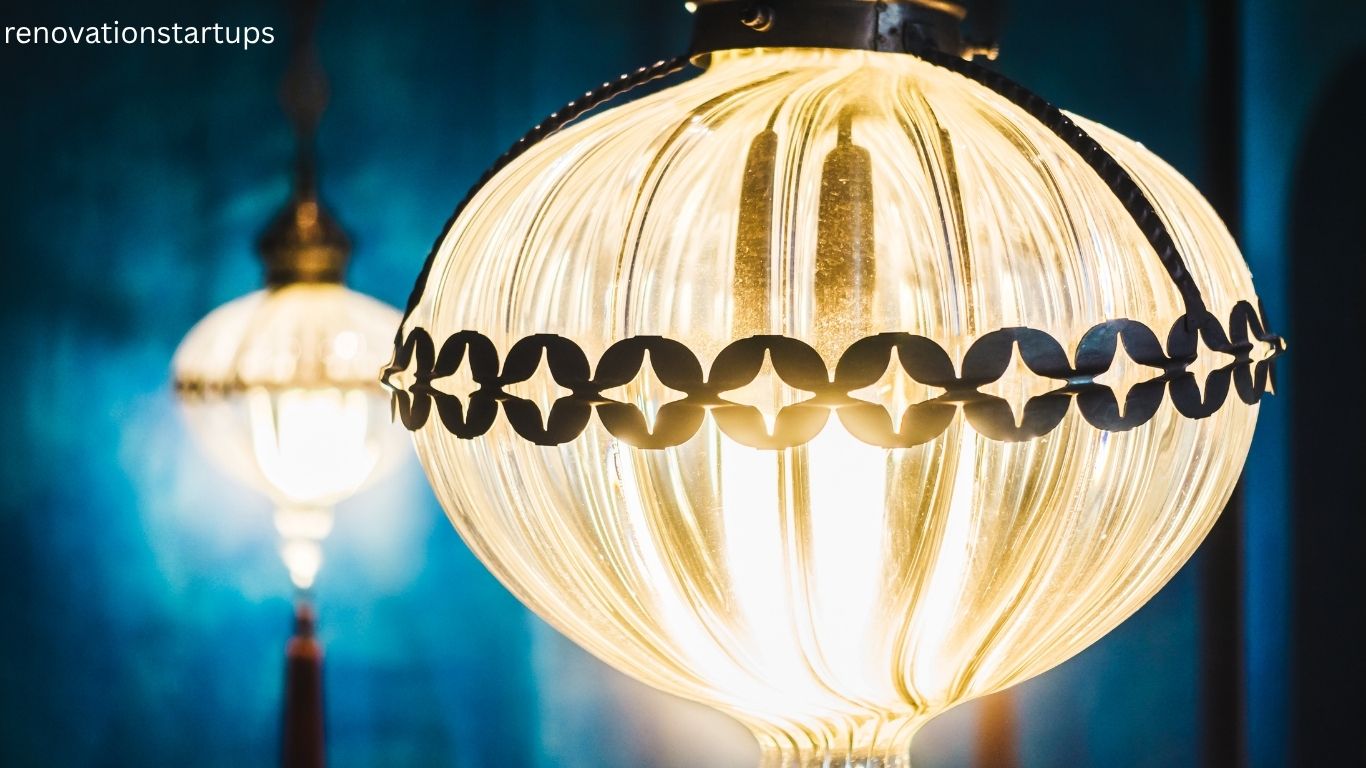
Edison-style Bulb brings a heat amber glow and exposed filaments interior clean glass, a stunning search for pendant lighting and dining rooms. The one thing to watch for is dimmer compatibility.
Standard dimmer switches cause these Bulb to flicker badly. Always pair vintage LED filament light bulbs with an LED-compatible dimmer switch to get smooth, flicker-free results and protect the bulb’s internal components.
How to Choose and Buy the Right Bulb
Start by matching the base type of your old light bulb. E26 is the standard medium screw base. E12 is the smaller candelabra base used in chandeliers and decorative fixtures. GU10 is a two-pin twist-lock base common in recessed track lighting. Once you have the base, pick your color temperature.
Warm white bulbs at 2700K to 3000K work well in bedrooms and living rooms. Neutral white at 3500K to 4100K suits kitchens and offices. Daylight Bulbs at 5000K to 6500K are best for garages and task areas.
When buying in bulk, stick to the same brand and color temperature for every light bulb in a single room. Mixing different temperatures makes a room look uneven and uncomfortable. In Canada, look for the ENERGY STAR label on Bulb packaging it confirms cold-weather performance and can qualify you for energy rebates. Canadian homes that switch to LED light bulbs can save up to $225 a year on electricity bills.
How to Dispose of Old Light Bulbs
LED, incandescent, and halogen Bulb have no hazardous materials and can go into your regular household trash. Wrap them in paper first to prevent broken glass. Compact fluorescent Bulb and linear fluorescent tubes are a different story they contain mercury and must be taken to a hazardous waste drop-off or a participating retailer.
Many hardware stores have in-store collection bins specifically for these Bulb. In cities like Ottawa, municipal hazardous waste events are held regularly throughout the year. Never place fluorescent light bulbs in curbside recycling.
Conclusion
Choosing the right light bulbs is no longer just about replacing a burned-out bulb. Understanding types, sizes, lumens, Kelvin ratings, and base compatibility helps you create better lighting while reducing long-term costs.
For most households, LED light bulbs remain the strongest option because they combine energy savings, long lifespan, lower maintenance, and wide compatibility. Decorative spaces, garages, workshops, and smart homes all benefit from matching the bulb to the task instead of buying based on old habits.