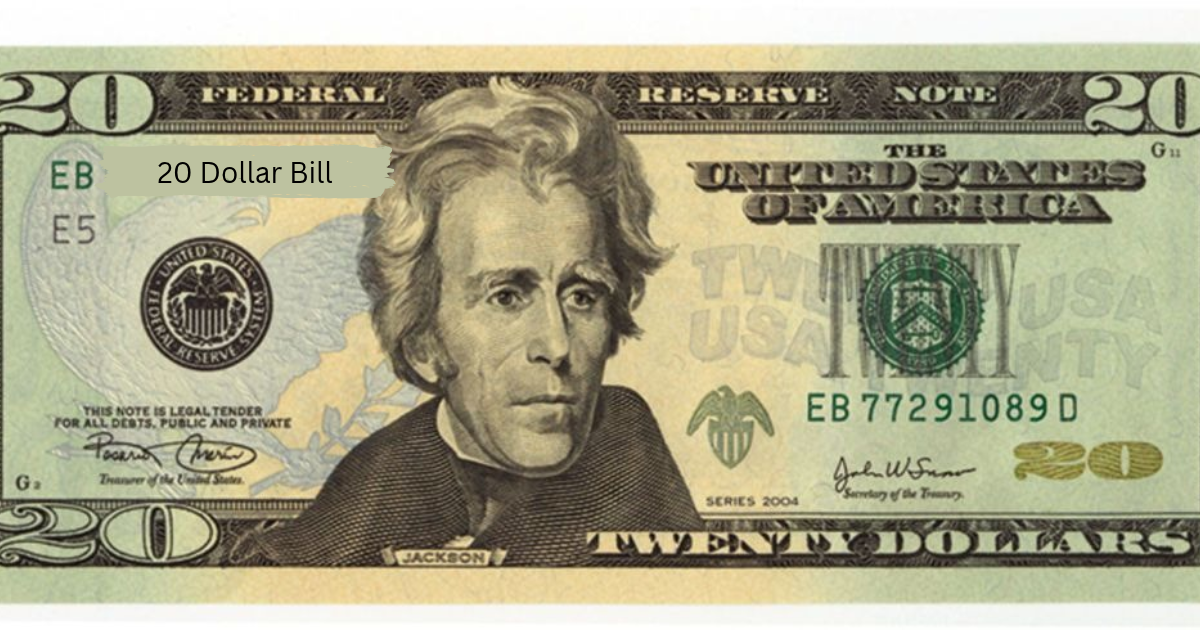
The 20 dollar bill is one of the most widely used banknotes in the United States, and most people handle one almost every week. It sits comfortably between small everyday notes and larger bills, which makes it ideal for groceries, gas, and ATM withdrawals. Still, many people know little about its history, design, or protection against fraud. This guide explains the essential facts in simple language so you can understand, check, and use your cash with confidence.
History of the 20 Dollar Bill
The twenty has been part of American money for well over a century. Early versions included gold certificates and national bank notes, and the Federal Reserve began issuing its own twenty-dollar notes in 1914. Over time, the 20 dollar bill moved from large-size paper to the smaller size we use today, which was adopted in 1928. Each change made the note easier to handle and harder to counterfeit.
Who Appears on the Front and Back
Andrew Jackson, the seventh president, appears on the front of the twenty, and he has been on it since 1928. The back shows the White House, viewed from the South Portico with its lawn and trees. Both images are engraved in fine detail, which helps the note look sharp and professional. These portraits and landmarks also work as security tools, because tiny line work is very difficult for counterfeiters to copy accurately.
Size, Weight, and Basic Specifications
Every US banknote shares the same size, measuring about 6.14 inches long and 2.61 inches wide. A single note weighs roughly one gram, so a thousand of them weigh only a little over two pounds. The paper is a blend of cotton and linen rather than wood pulp, which explains its durable, slightly rough feel. This special material helps the twenty survive folding, accidental washing, and countless hands before it is retired.
Color and Design Changes Since 2003
The redesigned twenty entered circulation in October 2003 with subtle background colors in peach, green, and blue. It was the first time in modern history that the note moved beyond its familiar green and black appearance. The added color made the bill more attractive and, more importantly, harder to reproduce with ordinary printers and scanners. The update also introduced new security upgrades that remain the foundation of the note today.
Security Features of the 20 Dollar Bill
The modern 20 dollar bill carries several features you can check in seconds. Tilt the note and the number 20 in the lower right corner shifts from copper to green. Hold it up to the light and you will see a faint portrait watermark of Jackson beside a vertical security thread. Under ultraviolet light, that thread glows green. Microprinting and raised printing add even more layers of protection.
How to Spot a Fake 20 Dollar Bill
Start with the feel test, because genuine currency has a slightly raised texture, especially on the portrait and the numerals. Next, tilt the note to confirm the color shift and look for the watermark in the blank area beside the portrait. Counterfeit detection pens are not reliable, so depend on these physical features instead. If something seems wrong, compare the note with one you know is real and contact local police or the Secret Service.
How Long a Twenty Lasts in Circulation
According to the Federal Reserve, a twenty lasts about 7.8 years on average before it wears out. Banks collect worn notes and send them to the Federal Reserve, where machines check them and destroy the ones that are no longer fit for use. New notes are then printed to replace them, which keeps the supply clean and reliable. This steady cycle is why most twenties in your wallet look crisp and functional.
What to Do With a Damaged Bill
Accidents happen, and a torn or burned twenty is not always worthless. If more than half of the original note is clearly identifiable, it can usually be exchanged for full value. Smaller fragments need an examination by the Bureau of Engraving and Printing, which handles mutilated currency claims. Keep all the pieces together, place them in a protective envelope, and ask your bank for guidance before sending anything.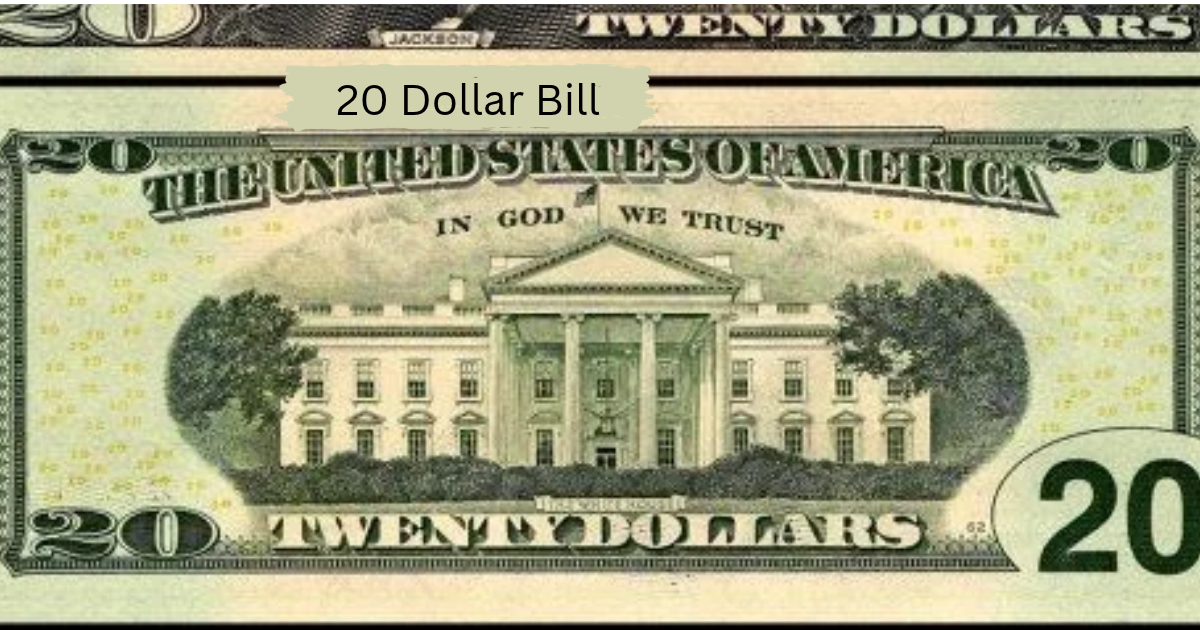
Why the Twenty Is So Common at ATMs
Many ATMs dispense twenties by default, because the note fits common withdrawal amounts such as 40, 60, or 100 dollars. This convenience is why most people carry at least one without thinking about it. Businesses also like the twenty because it is easy to count and rarely refused. However, some small shops may hesitate to break it for a tiny purchase, so keeping a few smaller notes is still helpful.
Future of the 20 Dollar Bill
The 20 dollar bill has been in the news because of a long-planned redesign that would place Harriet Tubman on the front and move Jackson to the back. The plan was announced in 2016 under Treasury Secretary Jack Lew. Reports in 2026 say there are currently no plans to feature Tubman on the note. For now, the current design remains in circulation and stays legal tender everywhere in the country.
Tips for Handling and Storing Cash
Keep your twenties flat and dry in a wallet or envelope to prevent creases and moisture damage. Avoid writing on notes, since marks can make them harder to process and may raise questions when you spend them. Count cash in a well-lit place so you can notice anything unusual about the color, texture, or printing. Small habits like these protect your money and make everyday transactions smoother.
Conclusion
The 20 dollar bill is a small piece of paper with a big role in everyday life. From its long history to its color-shifting security features, it blends practicality with smart design. Knowing how to check, handle, and replace a damaged note can save you money and stress. Keep these simple facts in mind and you will always handle your cash with confidence.
FAQs
Who is on the 20 dollar bill?
Andrew Jackson, the seventh president, is on the front, and the White House appears on the back.
How long does a 20 dollar bill last?
On average, a twenty lasts about 7.8 years in circulation, according to Federal Reserve estimates, before wear forces its replacement.
Can I exchange a torn twenty?
Yes. If more than half of the note remains, you can usually get full value, and smaller pieces can be submitted to the Bureau of Engraving and Printing.
How can I tell if a twenty is real?
Check the color shifting 20, the portrait watermark, and the security thread that glows green under ultraviolet light.
