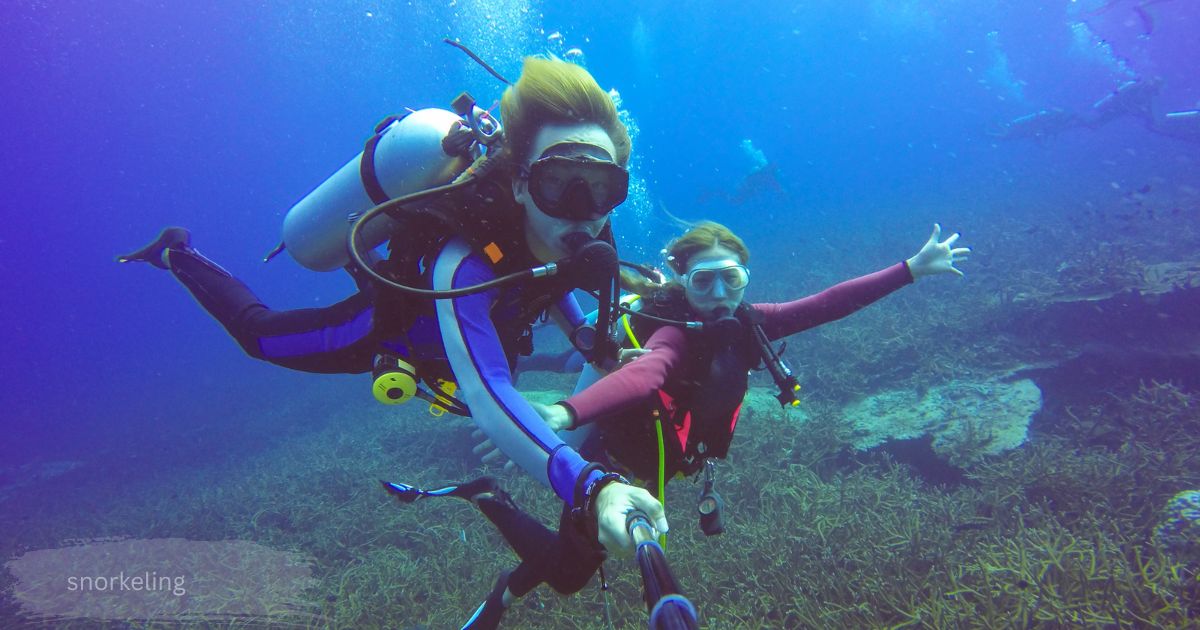
When people picture a snorkeling trip, they usually imagine warm seas and coral reefs. Canada rarely comes to mind first, yet this vast country hides some of the most rewarding cold water experiences on the planet. From playful seals off the Pacific coast to gentle beluga whales in the north, the underwater world here is wild and far less crowded than tropical hotspots. This guide covers where to go, what to bring, and how to plan a safe trip.
Why cold water changes the whole experience
Cold water changes everything about how you approach the activity. Visibility often improves in cooler months, freshwater lakes stay remarkably clear, and marine life is completely different from a tropical reef. Instead of coral gardens, you get limestone formations, shipwrecks, kelp forests, and curious mammals just as interested in you as you are in them. It rewards patience over quick thrills, which is part of why here has such a loyal following among locals.
Best regions to explore across the country
Canada stretches across three oceans and thousands of lakes, so the options for getting in the water vary widely depending on which coast or province you choose.
Vancouver Island and British Columbia
The waters around Vancouver Island are often named among the top spots in the country for this activity. Seals nest along the rocky shoreline and hunt nearby, often approaching visitors with obvious curiosity. The Gulf Islands and Saanich Inlet offer good visibility for spotting starfish and otters, while the Broken Group Islands provide a remote, boat access experience surrounded by kelp forests.
Quebec’s coastal waters
On the eastern side of the country, Forillon National Park stands out as one of the best known locations for shore access snorkeling. Coves such as Anse-au-Griffon and Anse Blanchette let visitors wade in directly from the beach to observe lobsters and small fish. Further along the coast, the Mingan Archipelago adds limestone monoliths rising out of the sea, paired with excellent clarity during warmer months.
Getting close to marine giants
One of the most talked about experiences happens far north, where the Churchill River meets Hudson Bay. Thousands of beluga whales gather in the estuary each summer, and visitors can slip into the water alongside them or glide over the surface in a small boat. Along the Cabot Trail in Nova Scotia, a similar opportunity exists with larger whale species passing close to shore between late spring and mid autumn.
Great Lakes and shipwreck sites
Ontario offers a different flavor of adventure built around history rather than wildlife. Fathom Five National Marine Park near Tobermory protects more than twenty shipwrecks in remarkably clear freshwater, making it a popular freshwater snorkeling destination and a favorite for enthusiasts. The Bruce Peninsula adds long seasons and visibility that can stretch beyond thirty meters on a good day.
Packing right for chilly waters
Preparation matters more here than in warm destinations, since water temperatures rarely climb above 15 degrees Celsius even in peak summer.
Wetsuits and thermal protection
A long sleeved wetsuit is close to essential for anyone planning real time in the water. Most guided tours include wetsuit rental in the package price, which is worth using if you are new to snorkeling or unsure how your body handles cold exposure.
Masks, fins and tubes
A well fitted mask makes a big difference in cold water, since a poor seal lets in water that quickly becomes uncomfortable. Fins help conserve energy against currents, and a simple tube style breathing piece with a splash guard keeps things manageable in choppier coastal areas. Renting equipment locally is often more practical than traveling with your own gear.
Choosing the right season
Summer months bring warmer air and easier logistics, but visibility in some coastal areas can drop during this period due to plankton blooms. Freshwater lakes tend to offer their clearest conditions in late fall and winter, while whale encounters are tied to migration windows between May and October.
Staying safe in open water
Cold water demands more respect than a tropical lagoon. Currents around rocky coastlines can be stronger than they appear, and cold shock can affect even experienced swimmers who are not dressed for conditions. Always check local water temperature before entering, avoid going in alone, and let someone know your planned route. Joining a guided outing removes much of this risk.
Guided tours versus independent exploration
Guided tours make sense for anyone visiting an unfamiliar coastline, especially where wildlife or boat access is involved. Operators provide gear, local knowledge, and safety oversight. Independent trips work well for well documented, shore accessible spots, giving more flexibility for confident swimmers who already know the area.
Creatures you could spot beneath the surface
Beyond seals and whales, the water supports a surprising range of smaller creatures. Sea stars, anemones, crabs, and urchins are common across both coasts, while migrating salmon create a dramatic seasonal spectacle in rivers such as the Campbell River. Swimmers occasionally spot otters and even the odd curious dolphin.
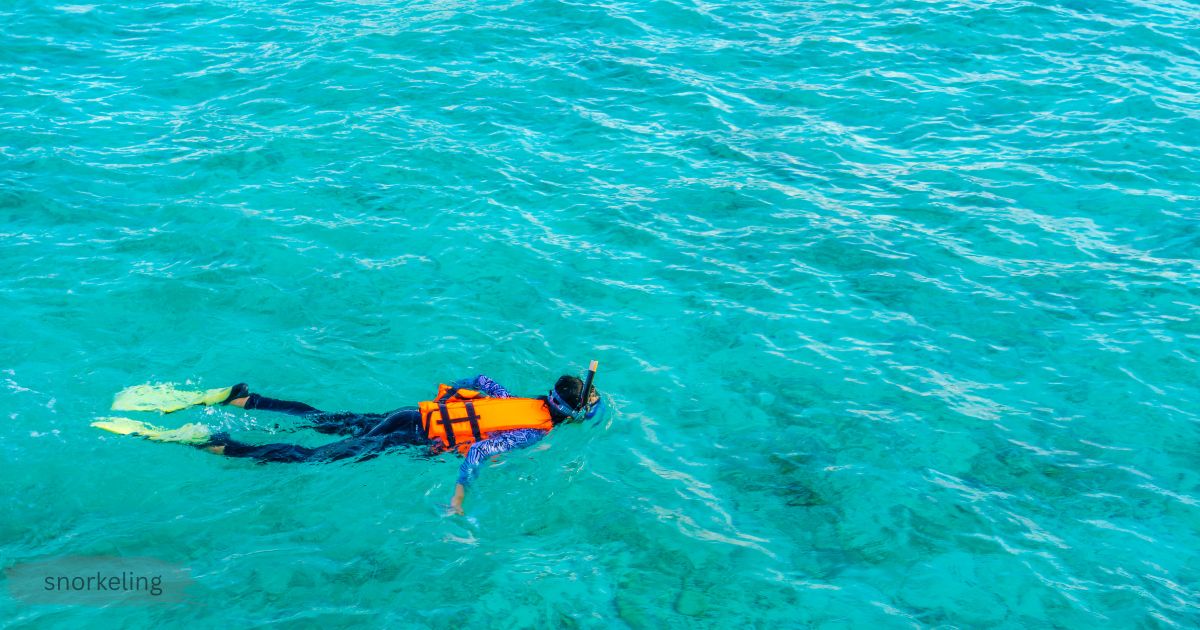
What makes this trip worth adding to your travel plans
This kind of exploration will never replace a tropical reef trip for everyone, and that is exactly the point. It offers quieter waters, close encounters with animals rarely seen elsewhere, and landscapes shaped by ice, rock, and maritime history.
Conclusion
Canada may not be the first country that comes to mind for underwater adventure, but it rewards those who look past the obvious tropical choices. Between beluga whale encounters in the north, seal colonies on the west coast, shipwrecks in the Great Lakes, and limestone coves in Quebec, there is enough variety here to fill several trips. Pack the right wetsuit, check the season carefully, respect the cold water conditions, and this quiet corner of adventure travel will likely surprise you. Snorkeling in Canada is less about ticking a box and more about discovering an underwater side of the country that very few people talk about.
Faqs
What is the difference between this activity and scuba diving?
The biggest difference comes down to equipment and depth. Snorkeling involves staying near the surface with a mask, fins, and a breathing tube, while scuba diving uses a tank for much deeper and longer underwater time. Most beginners in Canada start with the simpler surface approach before considering certified diving courses.
How do I find good snorkeling spots near my location?
The easiest way is to search online directories that map out shore access points, tour operators, and reviews specific to your province or coastline. Local dive shops and tourism boards are also reliable sources, since they track seasonal conditions and can point out spots suited to beginners or more experienced swimmers.
What gear is actually required to get started?
At a minimum you need a mask, fins, and a tube, along with a wetsuit suited to cold water. Many tour operators rent full kits for snorkeling, so first timers do not need to buy anything before trying it out at least once.
How do people usually pronounce the word correctly?
It is pronounced with the stress on the first syllable, sounding close to “SNOR-kuh-ling.” The word comes from a German root related to breathing tubes, and snorkeling is pronounced the same way across most English speaking countries.
