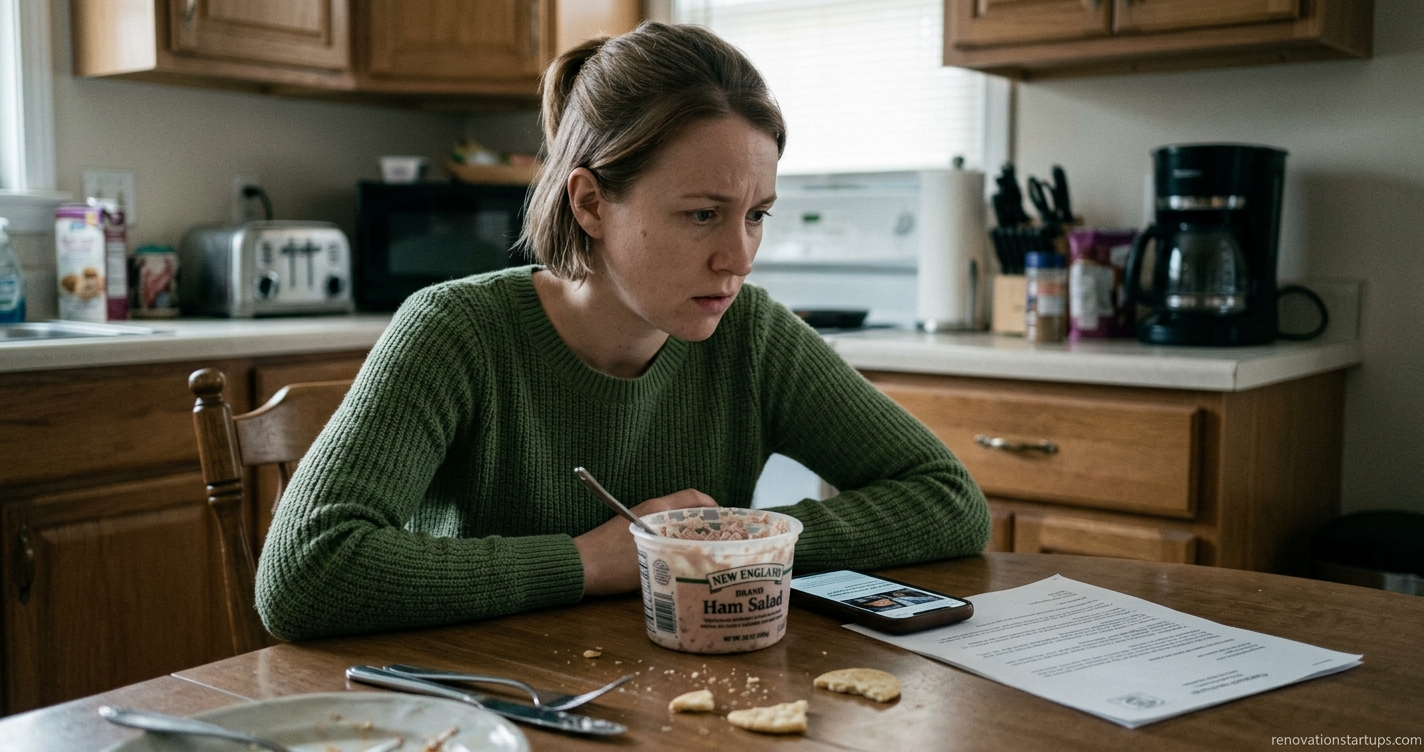
The Newly Weds Foods ham salad recall started with an ingredient problem, not a finished-product mistake, and that detail changes how consumers should think about it. In July 2025, the U.S.
Department of Agriculture’s Food Safety and Inspection Service (FSIS) issued a public health alert after learning that breadcrumbs supplied by Newly Weds Foods, and already flagged in a separate FDA recall for possible Listeria monocytogenes, had been mixed into two ready-to-eat ham salad products. No illnesses had been confirmed at the time of the alert, but the products were pulled from shelves nationwide as a precaution.
What Is the Newly Weds Foods Ham Salad Recall?
The Newly Weds Foods ham salad recall refers to a public health alert covering two specific deli products: Reser’s Fine Foods Ham Salad and Molly’s Kitchen Ham Salad. Neither company set out to sell contaminated food. The trouble began upstream, when a breadcrumb ingredient used in the recipe turned out to carry a Listeria risk. Reser’s Fine Foods, based in Topeka, Kansas, identified the connection during its own review and reported it, which is exactly the kind of traceability food safety systems are designed to catch.
It’s a pattern that shows up more often than people expect: one flawed ingredient batch, sold to multiple manufacturers, can trigger recalls across products that otherwise had nothing wrong with them.
What Caused the Newly Weds Foods Ham Salad Recall?
The root cause wasn’t the ham, the mayonnaise, or the seasoning blend. It was breadcrumbs. FDA had already recalled a batch of breadcrumb product over possible Listeria monocytogenes contamination, and that batch had made its way into Reser’s ham salad production line before the FDA action caught up with it. Once Reser’s confirmed the link, the affected finished products were escalated to FSIS, which has jurisdiction over meat-containing items like ham salad.
In our experience covering recall notices, ingredient-driven recalls tend to move slower than direct manufacturing errors, since someone has to trace the supply chain backward first. That lag is likely why the alert followed the original breadcrumb flag by two to three weeks.
Which Products Were Affected by the Recall?
Two specific items were named in the FSIS alert, and the packaging details matter more than the brand name if you’re checking your fridge.
- RESER’S FINE FOODS Ham Salad — 12-ounce printed plastic tubs, sell-by date of September 1, 2025
- Molly’s Kitchen Ham Salad — 5-pound clear plastic tubs, sell-by date of August 31, 2025
Both products were shipped to retail stores and food service accounts across the United States, not to a single region, which is part of why the alert was issued nationally rather than as a localized warning.
What Are the Health Risks Tied to This Recall?
Listeria monocytogenes is the bacterium at the centre of the Newly Weds Foods ham salad recall, and it behaves differently than most foodborne pathogens people are used to worrying about. It can survive, and even slowly multiply, in refrigerated conditions, which is exactly the environment ham salad is stored in.
Symptoms to Watch For
Symptoms can include fever, muscle aches, headache, a stiff neck, confusion, loss of balance, and gastrointestinal upset such as diarrhea. One detail that catches people off guard: onset can take anywhere from a few days up to 70 days after exposure, so someone could eat the product in July and not feel anything unusual until September.
Who Faces the Highest Risk
Pregnant women, newborns, older adults, and people with weakened immune systems face the most serious outcomes, including infections that spread beyond the digestive tract. In pregnant women, it carries a risk of miscarriage, stillbirth, or premature delivery. Healthy adults outside these groups can still get sick, though it’s less common and usually milder.
What Should You Do If You Bought the Recalled Ham Salad?
If either product matches what’s in your fridge, don’t rely on smell or appearance to judge whether it’s safe. Listeria doesn’t noticeably change the taste, texture, or odour of food, which is exactly why lab testing, not a sniff test, is what catches it.
- Stop eating the product immediately, even if it looks and smells normal.
- Confirm the match against both the product name and the sell-by date, not just the brand.
- Dispose of it in a sealed bag or return it to the retailer for a refund.
- Sanitize any refrigerator shelves, drawers, or containers the product touched.
- Watch for flu-like symptoms over the following weeks if you’re in a higher-risk group, and mention the exposure to a doctor if anything develops.
Does the Newly Weds Foods Ham Salad Recall Affect Canadian Consumers?
The alert was issued by FSIS, a U.S. agency, and covers products distributed within the United States. As of writing, there’s no matching notice on the Canadian Food Inspection Agency’s recall list tied to this incident, and that’s a real distinction, not a technicality. Canadian shoppers who occasionally buy imported U.S. deli products, whether through cross-border trips or specialty importers, should still check CFIA’s public recall database directly rather than assume a U.S. alert automatically applies here. Recall scope depends on where a product was actually distributed, not just who supplied an ingredient somewhere in the chain.
The Bottom Line
The Newly Weds Foods ham salad recall is a reminder that a recall notice isn’t always about the product on the label failing quality control. Sometimes the failure happens two or three steps back in the supply chain, in an ingredient most shoppers never think about. If you have either recalled item at home, the safest move is disposal or return, not a judgment call based on smell. And if you’re reading this from Canada, treat it as a case study in checking recall scope directly with CFIA rather than assuming every U.S. food alert crosses the border automatically.
Frequently Asked Questions
Is the Newly Weds Foods ham salad recall still active?
The alert was issued for products with specific sell-by dates in 2025, meaning products past that window would already be off shelves regardless of the recall. If you’re checking today, the most reliable step is looking up the current status on FSIS’s official recall page rather than relying on secondhand summaries.
What company actually recalled the ham salad?
Newly Weds Foods supplied the breadcrumb ingredient at the centre of the issue, while Reser’s Fine Foods manufactured and distributed the finished ham salad products under its own name and the Molly’s Kitchen label.
Can Listeria in ham salad be killed by refrigeration?
No. Refrigeration slows most bacteria but Listeria monocytogenes is unusual in that it can continue to survive, and in some conditions grow, at fridge temperatures. That’s part of why ready-to-eat cold products carry more risk than foods that get reheated before eating.
What should I do if I ate the ham salad and feel fine?
Most people exposed to Listeria don’t develop serious illness, but the incubation period can stretch out for weeks. If you’re pregnant, older, or immunocompromised, it’s reasonable to mention the exposure to a healthcare provider even without symptoms, simply so it’s on record if anything changes later.
