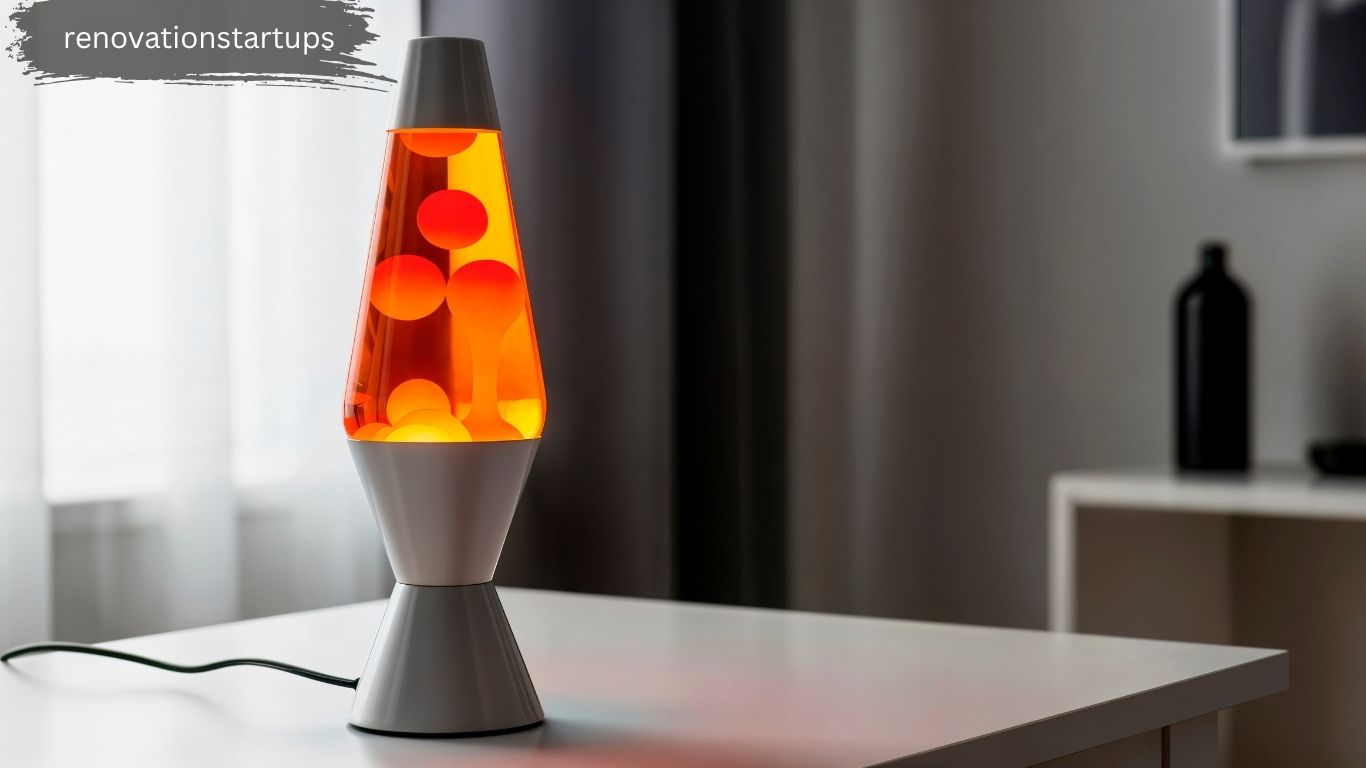
A lava light lamp is a decorative novelty light fixture containing two immiscible fluids inside a glass vessel, captivating millions since 1963. From 1960s counterculture roots to a modern retro-chic home decor staple, this comprehensive guide covers everything from brands, science, troubleshooting, and buying tips.
History & Origins of the Lava Light Lamp
The Invention in 1963
British entrepreneur Edward Craven Walker invented the lava lamp after observing a homemade egg timer made from a cocktail shaker bubbling on a pub stove in Dorset, England. He launched the first Astro lava lamp under his company Crest worth and later founded Mathmos, the original manufacturer still producing lamps in Poole, Dorset today.
The American Phenomenon of 1965
In 1965, entrepreneurs Adolph Wertheimer and Hy Spector spotted the lamp at a German trade show and bought the American rights. They launched the Lava Manufacturing Corporation in Chicago, rebranding it as the Lava Lite Lamp igniting a massive pop-culture craze defining the psychedelic aesthetic of the late 1960s and 1970s.
Brand Evolution and Ownership
In the late 1970s, Larry Haggerty acquired US rights and created Lava World International. By 2003, production moved to China, and in 2008 it became Lava Lite LLC under Talon Merchant Capital. In 2018, Schylling Inc. of North Andover, MA acquired the Lava Lamp brand and holds current US trademark rights.
How Does a Lava Light Lamp Work? The Science Behind the Blobs
Density, Convection and Fluid Mechanics
The Lava Light Lamp operates on two principles: density and convection currents. As the bulb heats the paraffin wax, it expands, becomes less dense, and rises as buoyant globules through the colored liquid solution.
The Thermal Cycle Explained
At room temperature, the paraffin wax mixture rests as a solid mass at the bottom, denser than the surrounding water or mineral oil. Heat from the halogen lamp causes the wax to expand and float upward. Near the cooler top, the wax contracts, its density increases, and it sinks a continuous thermal cycle driven by Rayleigh Taylor instability.
The Role of the Wire Coil and Trade Secrets
A metallic wire coil at the base breaks the surface tension of falling wax, helping blobs merge and repeat the lamp cycle. The exact fluid formula, a blend of mineral oil, paraffin wax, and formerly carbon tetrachloride (banned in the US since 1970) remains a closely guarded trade secret held by very few Mathmos employees.
Top Lava Light Lamp Brands
Mathmos Lava Lamps
Mathmos is the original British manufacturer of the Mathmos lava lamp, producing every lamp in Poole, Dorset since 1963. Their Astro Lava Light Lamp remains their best seller and celebrated its 50th anniversary in 2013.with spare parts available even for 1960s models.
Spencer’s Lava Lamps
Spencer’s lava lamps are some of the most popular retail lava lamps to be had in North American shops. Known for bold colors, novelty designs, and affordable pricing, the November to January holiday season.
Schylling Lava Lamps
Schylling lava lamp products are produced by Schylling Inc., the current holder of US trademark rights to both the shape and name of the LAVA lamp.Offering classic and novelty styles through major retail and online channels.
Lava Lite Brand
Lava Lite is the iconic American Lava Light Lamp brand that originated from the Lava Manufacturing Corporation in Chicago in 1965. Now operating as Lava Lite LLC, the brand delivers classic motion lamps widely available across North America through Amazon.ca, Canadian Tire, and Spencer’s locations.
Specialty and Vintage Styles
Vintage Models
Vintage lava lamps from the 1960s and 1970s remain highly collectible, defined by their psychedelic aesthetic and classic tapered glass vessel design. Collectors prize these for their retro-chic charm and cultural significance.
Giant and Oversized Lamps
A giant lava lamp makes a bold home decor statement, and the 27 inch lava lamp is among the most sought-after oversized lamps on the market. These large motion lamps use higher-wattage incandescent or halogen bulbs and require longer warm-up periods of up to 3 hours before the wax blobs achieve full buoyant movement.
Unique and Novelty Designs
Unusual Lava Light Lamp include ferrofluid designs introduced in 2015, glitter lamps, color-changing models, and lamps with custom colored wax and translucent dyes. These novelty designs appeal to buyers seeking something beyond classic styles, blending modern science with the hypnotic appeal of the original Astro Lamp.
Replacement Bulbs and Technical Specs
General Replacement Bulbs
Choosing the correct lava lamp light bulb is critical for proper wax movement and lamp performance. Using the wrong lava lamp light bulb replacement can cause the wax to stay at the bottom or overheat into a stagnant blob.
Always match light bulbs for lava lamps to your model’s spec checking lava lamp light bulb size and lava lamp light bulb color ensures consistent thermal cycle performance.
20-Watt Bulbs
A lava lamp light bulb 20 watt suits smaller decorative lamps where lower heat output is needed. These low-wattage bulbs provide gentle convection, ideal for ambient room temperatures above 20°C / 68°F. Always verify the manufacturer’s recommendation before installing a 20-watt replacement to avoid disrupting the density balance of the wax and liquid.
25-Watt Bulbs
A 25 watt lava lamp bulb is the most commonly specified replacement bulb for standard lava lamps. It provides the correct heat output to drive the thermal cycle, keeping the paraffin wax rising and falling in smooth buoyant globules. Using an incorrect wattage disrupts the fluid mechanics and can permanently damage the colored liquid solution.
40-Watt Bulbs
A lava lamp light bulb 40 watt is used in larger and giant lava lamps, including the 27 inch lava lamp. The higher wattage generates enough heat to warm the greater volume of wax inside a large glass vessel. Always use an intermediate base appliance bulb rated at 40 watts as specified by the manufacturer for safe, optimal motion lamp performance.
How to Operate Your Lava Light Lamp Safely
Setup, Warm-Up and Runtime
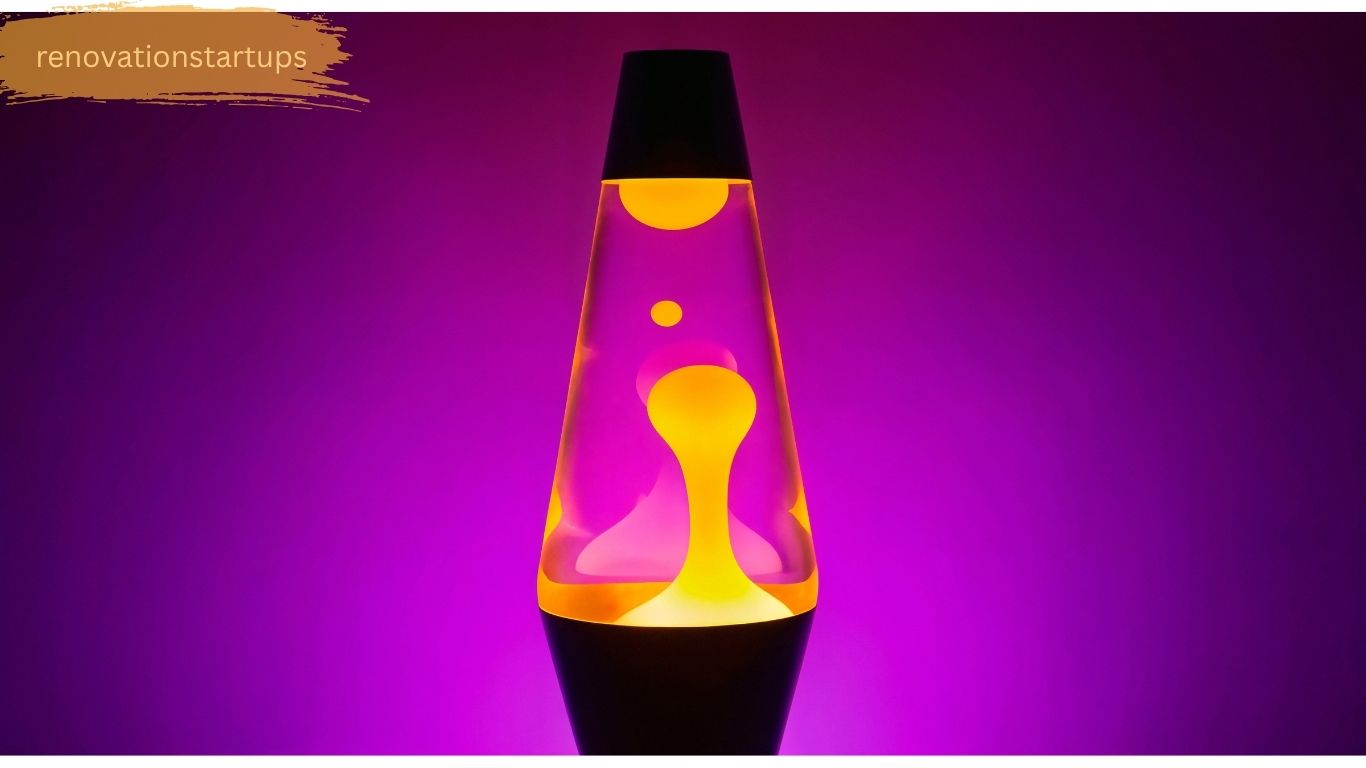
Place your lava lamp on a stable flat surface away from drafts, heaters, and sunlight. Allow a warm-up period of 1 to 3 hours and you will first see stalagmite or spire shapes before full floating balls form. Limit running time to a maximum of 6 to 8 hours daily to prevent overheating and preserve shelf-life.
Critical Safety Rules
Never shake, drop, or agitate a lava lamp while it is hot; doing so permanently emulsifies the wax into the liquid, causing a cloudy appearance that is unfixable. Never heat a lava lamp using stovetops or open flames, as pressure can cause the glass bottle to explode violently.
Troubleshooting Common Lava Lamp Issues
Lava Lamp is Cloudy
A cloudy lamp results from shaking it while hot or running it beyond 10 hours. Let it cool completely so the wax solidifies, then run it for 45 minutes and turn it off before the wax breaks up. Repeat this short cycling process; if it remains milky after a dozen attempts, the fluid chemistry is permanently damaged.
Wax Sitting at the Bottom and Not Rising
If wax sits at the bottom and is not rising, the ambient room temperature may be below 20°C / 68°F, or the bulb wattage is too low. Use the exact replacement bulb specified, typically a 25 watt to 40 watt intermediate base appliance bulb and move the lamp away from cold windows, air conditioners, or floor drafts.
Wax Staying at the Top in One Large Mass
Wax staying at the top in one large mass signals the lamp is overheated. Turn it off immediately and allow 2 hours to reset. Avoid placing the lava lamp near electronics or appliances that generate ambient heat, as excess warmth disrupts the density balance required for proper convection.
The Internet’s Secret Security Wall & Global Market Insights
Cloud flare’s Lava Lamp Encryption Wall
Cloudflare uses a wall of around 100 lava lamps in its San Francisco headquarters to help encrypt approximately 10% of global internet traffic. Cameras track the chaotic, unpredictable movement of the wax blobs to generate truly random cryptographic keys making the lava lamp a genuine cybersecurity tool.
Global and Canadian Market Spotlight
Globally, search volume for lava lamps spikes between November and January due to holiday gift shopping. Mathmos dominates European markets while Schylling leads the US market.
In Canada, buyers access lava lamps via Amazon.ca, Spencer’s, and Canadian Tire but should avoid online ordering between November and March due to liquid freezing risks during Canadian winter shipping corridors. Canadian buyers importing European models like Mathmos lamps also need a voltage converter, as Canadian outlets run on 120V / 60Hz.
Conclusion
The lava light lamp remains one of the most iconic decorative novelty light fixtures ever created. From Edward Craven Walker’s original 1963 Astro Lamp to modern giant lava lamps, vintage models, and Cloud flare’s encryption wall, the lava lamp blends science, craftsmanship, and retro-chic design.
Whether you choose a Math mos lava lamp, a Spencer’s lava lamp, a Schylling lava lamp, or a Lava Lite classic, always use the correct replacement bulb 20 watt, 25 watt, or 40 watt and follow safe operating practices to enjoy years of hypnotic motion lamp performance.