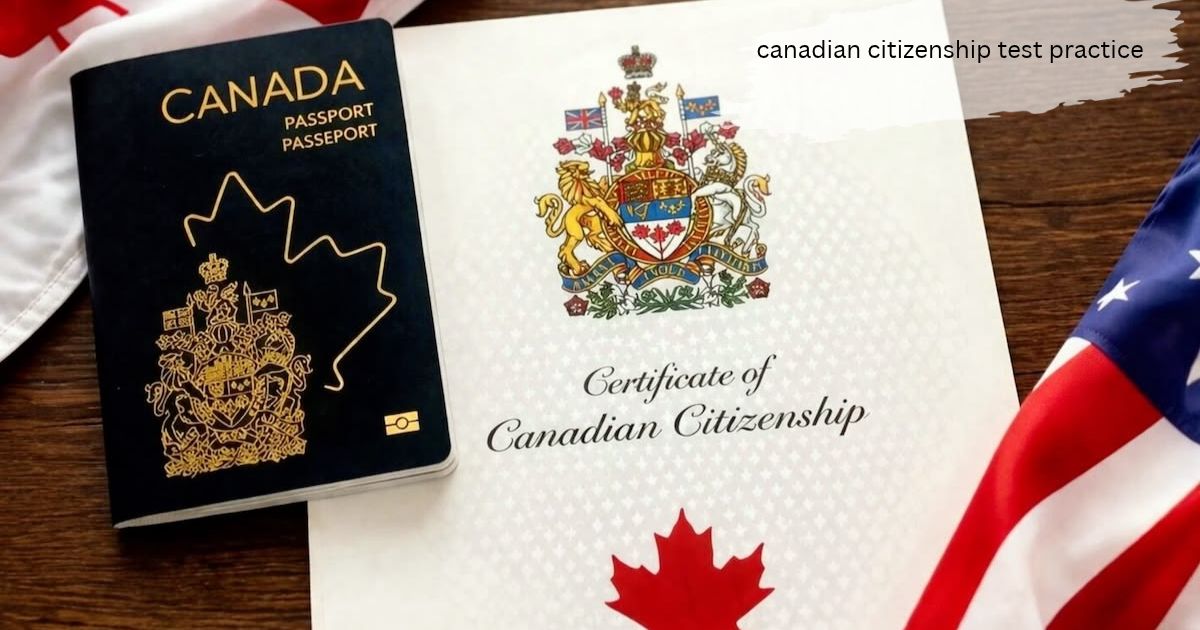
Preparing for the Canadian citizenship test can feel overwhelming at first glance, especially when you don’t know where to begin. The good news is that the entire exam is based on one official resource, so you’re not left guessing which books or websites to trust.
Once you understand the structure of the test and commit to a steady practice routine, the process becomes far less intimidating. Think of citizenship test practice as building a habit rather than cramming for a single event, because that mindset shift alone makes a huge difference in how confident you feel walking into the exam.
The Book That Everything Is Based On
Discover Canada is the official study guide the government created specifically for this test, and every single question on the exam traces back to its content. You can pick up a copy at nearly any public library, read a digital version online, or even listen to an audio version if reading isn’t your preferred way to learn. I always recommend starting here before touching any other study material, because it saves you from wasting hours on random websites that may contain outdated or incorrect information.
What the Actual Test Looks Like
Knowing the format ahead of time takes a lot of pressure off. The real citizenship exam typically includes twenty multiple-choice questions, and you’re given a set amount of time to complete them, often around thirty minutes. Some applicants take the test online from home, while others attend an in-person session or a virtual appointment through a video platform. Confirming which format applies to you as soon as your invitation arrives helps you prepare in the right way instead of assuming.
Why Practice Tests Make a Real Difference
Reading the study guide is important, but actually testing yourself is what makes the information stick. A solid practice test, often built from over a hundred sample questions, mimics the real exam’s structure closely enough that you start recognizing patterns in how questions are worded. Many people find that after a few rounds of practice questions, they stop feeling nervous about the unknown and start feeling ready. I’ve personally seen this shift happen with people who initially dreaded studying but grew more confident with each practice session.
Building a Study Routine You’ll Actually Stick To
Trying to learn everything in one long session the night before rarely works. Instead, break your study time into smaller chunks spread across a few weeks. Spend one day on government and political structure, another on geography, another on history and symbols. This kind of pacing lets the information settle in your memory rather than fading right after you close the book. Even fifteen or twenty minutes a day adds up quickly and feels far less draining than one exhausting cram session.
Getting Comfortable with Canadian Geography
Geography questions catch a lot of people off guard because there’s more detail than expected. You’ll need to know the provinces and territories, their capital cities, and which broader region each one falls under, whether that’s the Atlantic coast, central Canada, the prairies, the west coast, or the northern territories. Landmarks like the Great Lakes, the Rocky Mountains, and the Canadian Shield also come up often. Using an actual map while you study, rather than just reading lists of names, makes this information far easier to retain.
Understanding How the Government Works
A meaningful chunk of the test focuses on how Canada is governed. This includes understanding the role of Parliament, the difference between federal and provincial responsibilities, and how everyday citizens are represented through their elected officials. Knowing who represents your own area, along with general facts about how Canadians govern themselves, rounds out this section well. Connecting these facts to real, current events you’re already following tends to help them stick better than pure memorization.
Learning the Symbols That Represent Canada
The test also touches on national symbols and cultural identity, things like the maple leaf and other recognizable emblems tied to the country’s heritage. This part feels lighter than the political sections, but the questions can still be surprisingly specific, so it’s worth a proper review rather than skimming past it. Taking time to understand why these symbols matter, not just what they are, adds real context to your preparation.
Making Time for Indigenous History
Citizenship test practice should also include real attention to Indigenous history and the ongoing work of truth and reconciliation. Learning about the Calls to Action, land acknowledgments, and the history of Indigenous territories gives you a fuller picture of the country you’re joining. This isn’t just exam material; it’s a genuinely important part of understanding modern Canada, and I’d encourage every applicant to spend real time here rather than treating it as an afterthought.
Handling the Waiting Period Before Your Test
After you submit your application, there’s usually a waiting period before your test invitation shows up. This letter will tell you exactly when and how your test will happen. If your situation requires faster processing, due to travel or work reasons, it’s worth checking into options for urgent handling. During this waiting stretch, keep studying steadily instead of letting your momentum drop, since picking things back up after a long break is often harder than just staying consistent.
Preparing for an Online Test Session
If you’re taking your test online, a stable internet connection and a quiet, distraction-free space matter more than people realize. Test your equipment the day before rather than discovering a technical issue right as your session begins. Sign-in instructions typically arrive with your invitation, and if you run into common issues like login trouble or connectivity problems, reaching out for help early saves you unnecessary stress on test day itself.
What Comes After You Take the Test
Once the test is done, your results shape what happens next in your citizenship journey. A passing result moves you toward your citizenship interview and eventually the oath ceremony. If you don’t pass on the first attempt, most people are given another opportunity, often through a follow-up interview with a citizenship official. I’ve talked to people who assumed a failed attempt meant the end of the road, but a second chance is common, and there’s no reason to feel discouraged if that happens to you.
Making the Most of Local Resources
Don’t underestimate your local public library as a resource for citizenship test practice. Many libraries run free study sessions, offer preparation booklets, and provide practice tests that even include local details specific to your city or region. Reaching out to library staff directly often reveals resources you wouldn’t find through a basic online search. Combining these local tools with the official study guide gives you a well-rounded, thorough approach to getting ready for exam day, and it’s a strategy that has worked well for people I know personally.
Conclusion
Passing the Canadian citizenship test comes down to steady, consistent practice rather than last-minute cramming. Working through Discover Canada, taking multiple practice tests, and reviewing your weak spots builds real confidence over time. Local libraries and free online resources make this preparation easier than most people expect. With a clear study routine and the right materials, you can walk into your test feeling ready and pass on your first try.
FAQs
How many questions are on the Canadian citizenship test?
The test usually has twenty multiple-choice questions, and you need to answer most of them correctly to pass.
What book should I use to study for the citizenship test?
Discover Canada is the official study guide, and every test question is based on its content.
What happens if I fail the citizenship test?
Most applicants get a second chance, often through a follow-up interview with a citizenship official.
