Condo Renovation Ideas From Toronto to Vancouver, condo owners are discovering that smart layout choices and the right materials can make a unit feel noticeably larger without touching a single wall. This guide walks through practical, room-by-room strategies that consistently deliver the biggest payoff within a condo’s typical space constraints. In a secondary or guest bathroom, converting to a walk-in shower often opens up the room considerably and tends to feel more modern to potential buyers.
Why Small-Space Renovation Requires a Different Approach
Unlike a detached house, a condo renovation almost always has to work around fixed structural elements such as load-bearing walls, existing plumbing stacks, and building-mandated ventilation paths. This means many condo renovation ideas centre on visual tricks and smarter storage rather than dramatic structural changes, since moving walls or plumbing is often restricted within a condo unit. Understanding this distinction early helps owners set realistic expectations before falling in love with a concept that simply is not feasible within their specific building.
Kitchen Cabinetry and Storage Upgrades
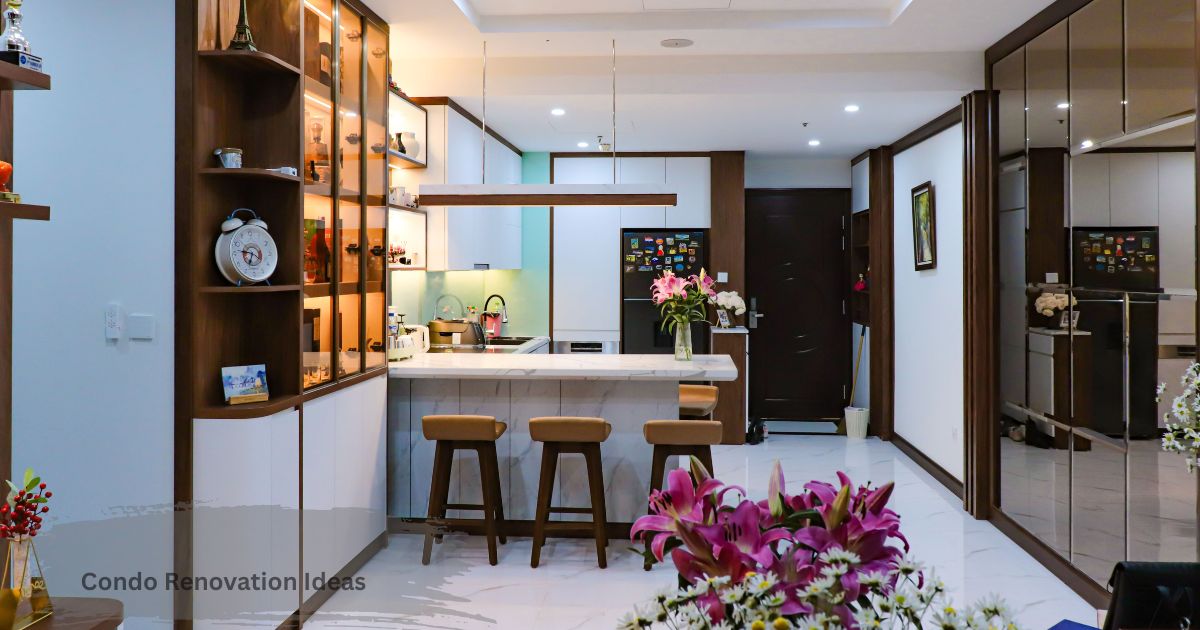
One of the most impactful condo renovation ideas involves reworking kitchen cabinetry to maximize a compact footprint, since most condo kitchens simply do not have room to spare. Installing pull-out racks, built-in dividers, and a lazy Susan in corner cabinets can dramatically increase usable storage without expanding the physical footprint. Swapping outdated cabinet doors for a lighter finish also brightens the space considerably, which matters in a room that rarely has abundant natural light.
Countertop and Backsplash Choices
Upgrading countertops to a durable material like quartz or granite remains one of the more popular condo renovation ideas because it instantly modernizes a kitchen without any layout changes. A bold or textured backsplash tile can also serve as a low-cost focal point, adding personality without the expense of a full cabinet replacement. Choosing lighter, reflective surfaces throughout this combination tends to make the kitchen feel noticeably more open under standard condo lighting.
Bathroom Renovation Strategies for Tight Footprints
Most condo bathrooms across major Canadian cities fall somewhere between thirty-five and sixty square feet, which is why bathroom-focused condo renovation ideas tend to prioritize visual expansion techniques above almost everything else. Removing visual weight from the floor by installing a wall-hung or floating vanity exposes more of the floor beneath it, which the eye reads as additional square footage even though the room’s actual dimensions have not changed.
Choosing Between a Tub and a Walk-In Shower
One of the more consequential decisions within any bathroom-focused renovation is whether to keep the existing tub and shower combination or convert entirely to a walk-in shower. For a unit’s only bathroom, many designers recommend keeping at least one tub in place, since this detail can meaningfully affect resale value down the line.
Bedroom Renovation Ideas That Maximize Space
Condo bedrooms often come with limited square footage for both furniture and storage, so many effective condo renovation ideas in this room revolve around multi-functional pieces rather than traditional furniture sets. A nightstand that doubles as a bookcase, or a bed frame with built-in drawer storage, keeps belongings organized without eating into valuable floor space. Built-in shelving along an underused wall is another popular option for owners who want a storage boost without a full structural renovation.
Lighting and Natural Light Enhancements
Because condo windows are often smaller or fewer in number compared to a detached home, lighting-focused condo renovation ideas can dramatically change how a space feels day to day. Recessed or pot lighting allows owners to customize brightness room by room, while frosted glass or privacy film on existing windows lets in more natural light than heavy curtains ever could. In bathrooms without a window, a solar tube or LED skylight panel can simulate daylight convincingly enough to make the space feel less closed in.
Feature Walls and Cost-Effective Cosmetic Updates
Not every impactful update requires a large budget, and a well-placed feature wall remains one of the most affordable condo renovation ideas for adding personality to a neutral space. Wallpaper, textured paint, or reclaimed wood panelling on a single accent wall can transform a room without the cost of renovating it entirely.
Understanding Condo Board Approval Requirements
Almost every condo board across Canada requires written pre-approval before any renovation work begins, even for relatively minor cosmetic updates like a bathroom refresh. Boards typically want a scope summary, proof of contractor insurance, sound-rating documentation for new flooring, and a clearly defined working-hours schedule before granting approval. Owners should budget several weeks for this process alone, since starting before formal sign-off can create complications with building management.
Flooring Decisions Shaped by Condo Bylaws
Flooring decisions in a condo renovation are rarely just an aesthetic choice, since most buildings enforce specific sound-insulation requirements for units above ground level. Engineered hardwood or laminate paired with an appropriate underlayment tends to satisfy both style preferences and building sound requirements at once. Checking a building’s flooring bylaws before finalizing material selection can prevent an otherwise beautiful renovation from being rejected during final inspection.
Energy Efficiency Upgrades Worth Considering
More condo owners across the country are incorporating energy-efficient upgrades into their renovation plans, particularly heat pump systems that provide both heating and cooling through a single unit. These upgrades often qualify for provincial rebate programs, which can meaningfully offset the added upfront cost of a more efficient system. Even smaller efficiency touches, like LED lighting throughout the unit, add up to noticeable savings on monthly utility costs.
Working With a Contractor Familiar With Condos
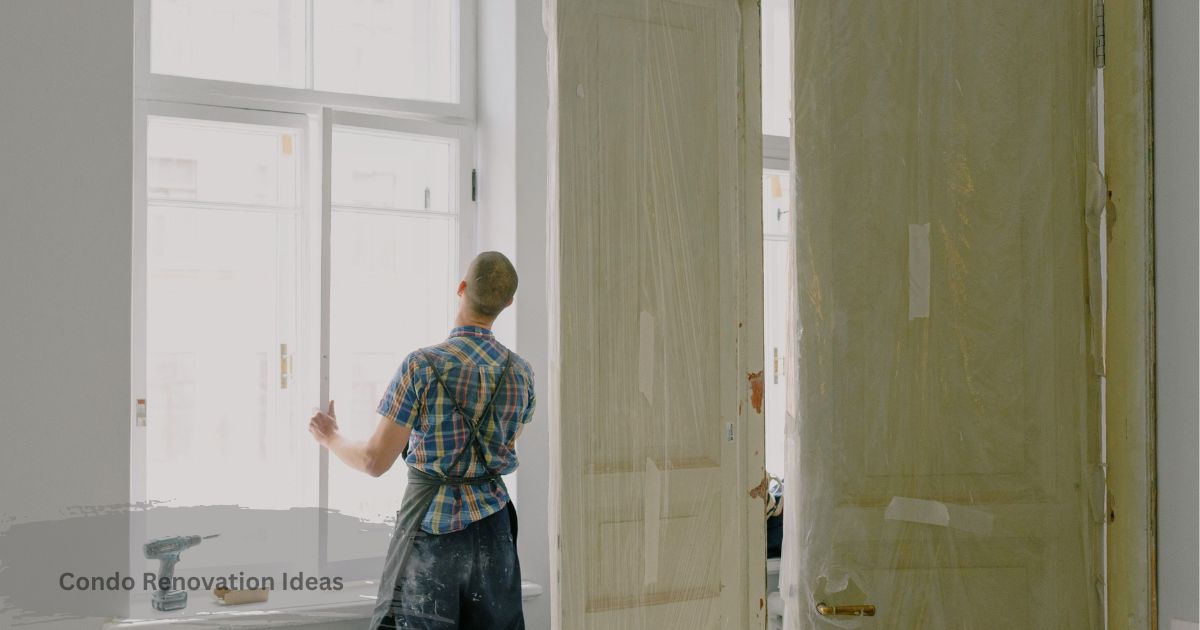
Choosing a contractor with specific experience navigating condo board rules and building logistics tends to make the process considerably smoother than hiring someone accustomed only to detached-home projects. Freight elevator scheduling, limited working hours, and material delivery restrictions all factor into how efficiently a condo renovation can move forward, and an experienced contractor typically accounts for these constraints from the first quote. Asking for references from other units within the same building can also reveal how well a contractor handles a particular board’s approval process.
Conclusion
Condo renovation ideas that succeed tend to share a common thread: they work with a unit’s existing footprint rather than fighting against it, relying on smart storage, reflective materials, and thoughtful lighting to create the impression of a larger space. From kitchen cabinetry upgrades to bathroom vanity choices and bedroom storage solutions, small strategic changes consistently outperform ambitious structural overhauls that condo boards may not even approve. Planning around building requirements from the outset, rather than as an afterthought, remains the clearest path toward a smooth and successful renovation experience.
FAQs
Do I need condo board approval for a bathroom renovation?
Yes, almost every condo board requires written pre-approval before any renovation begins, even for cosmetic updates.
What is the most effective way to make a small condo bathroom feel bigger
Installing a wall-hung or floating vanity and using large-format tile are two of the most effective visual expansion techniques.
Are structural changes possible in a condo renovation?
Structural changes are often restricted or very limited in condos due to load-bearing walls and shared plumbing systems, so most updates focus on cosmetic and storage improvements instead.
How long does condo board approval typically take?
Owners should generally budget several weeks for the approval process before a contractor start date can be confirmed.
