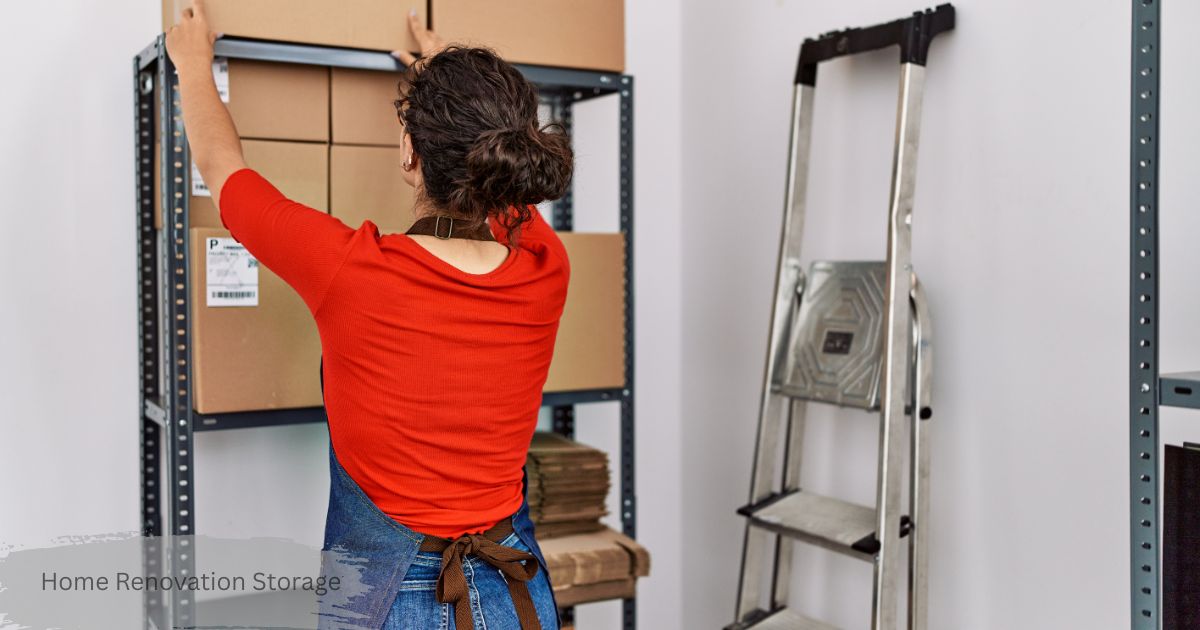
Home renovation storage is the plan for where your furniture, boxes, and valuables live while contractors tear apart a room. Most homeowners rent a self-storage unit, book a portable container, or clear a spare room, and the right choice usually comes down to how long the job runs and how much you’re moving. A kitchen renovation typically needs four to eight weeks of storage. A full-home remodel can need several months.
What Is Home Renovation Storage and Why Does It Matter?
Home renovation storage isn’t complicated in theory, but skipping it is one of the more common mistakes we see homeowners make. Dust travels farther than people expect, and it settles into upholstery, electronics, and anything with fabric. Paint splatters ruin whatever is nearby. And a couch left in the hallway becomes something a drywall crew has to work around, which slows them down and, in our experience, tends to lengthen the job by a few days.
There’s also a safety angle contractors rarely mention upfront. Loose furniture and boxes near a work zone create tripping hazards for people carrying tools or materials. Clearing the space isn’t just tidiness; it keeps the crew moving and reduces the odds of an accidental scratch, dent, or worse landing on something you actually care about.
Most people only start researching home renovation storage once the contract is signed and the start date is a week out, which is later than it should be. Sorting out where things are going before demo day means you’re not scrambling to book a unit while a crew is already parked in your driveway.
How Much Home Renovation Storage Do You Actually Need?
Sizing a unit correctly saves money. Too small, and you’re paying for a second unit halfway through the job. Too large, and you’re paying for empty square footage for months.
A Single Room or Small Refresh
A bedroom repaint or a flooring swap in one room usually fits in a locker-style unit or a small 5×5 space. Think of a mattress, a dresser, and a handful of boxes, nothing that needs a dolly.
A Kitchen or Two-Bedroom Renovation
This is where most homeowners land, and a 10×15 unit is the common recommendation. That covers a fridge, a table set, dining chairs, and roughly 40 to 60 boxes, depending on how much you own.
A Whole-Home Remodel
For a gut renovation, a 10×20 unit or larger is standard, and some homeowners end up splitting belongings between a unit and a garage. Take an honest inventory first and walk each room with a notepad rather than guessing from memory.
What Are the Best Home Renovation Storage Options?
There isn’t one right answer here. The best fit depends on budget, timeline, and how much lifting you want to do yourself.
Self-Storage Units
Self-storage is the default choice for most renovations. You rent month-to-month, load it yourself, and drop by whenever you need something. It’s the most flexible option, and it’s usually the cheapest per month for mid-size jobs.
Portable Storage Containers
A container gets dropped at your driveway, you pack it at your own pace, and it either stays put or gets hauled to a secure yard. This works well for four-to-eight-week jobs, though a few municipalities restrict how long a container can legally sit in a driveway, so it’s worth a quick call to the city before booking.
Full-Service Warehouse Storage
Some moving companies will pack, transport, store, and return everything for you. It costs more, sometimes noticeably more, but it removes the physical labour entirely, which matters if you’re managing a renovation around a full-time job or mobility issues.
In-Home Storage
If only one room is affected, a garage, basement, or spare bedroom might be enough. Cover furniture with drop sheets, box up anything breakable, and keep electronics in their original packaging where you still have it.

Should You Pay Extra for Climate-Controlled Storage?
For wood furniture, electronics, or artwork, yes a standard unit exposed to a Canadian winter or a humid August can warp wood and fog up electronics over a few months. For plastic bins full of seasonal clothing, probably not; the extra cost isn’t buying you much. It’s a judgment call based on what’s actually going into the unit, not a blanket rule.
What Should You Store, and What Should Stay at Home?
Split your belongings into two piles before renovation day arrives.
Store furniture from the affected rooms, electronics, artwork, seasonal items, and anything fragile or sentimental. Keep at home the things you’ll need daily: a few outfits, cleaning supplies, basic tools, and your everyday kitchen items if the kitchen itself isn’t the one being torn out.
One thing to never store in a general unit: passports, insurance documents, or contracts. Those belong in a fireproof box or a safe deposit box, not sitting in a locker three streets away.
How Much Does Home Renovation Storage Cost in Canada?
Pricing depends heavily on city and season, but a 10×15 unit in a mid-size Canadian city commonly runs somewhere between $150 and $350 a month, with climate-controlled units sitting higher. Portable containers tend to be cheaper for short jobs, while full-service warehouse storage costs the most but bundles in labour you’d otherwise pay for separately.
A few things worth checking before you sign anything: whether your home insurance policy extends to items in storage (many don’t, automatically), whether the facility offers its own contents coverage, and whether there’s a promotional rate for the first month. It’s also worth getting two quotes rather than booking the first facility you call prices for comparable units can vary more than people expect within the same city.
FAQ
Home Renovation Storage Ideas
Simple storage solutions like stackable bins, a cleared garage corner, or a rented storage unit can keep your favourite furniture safe from dust and scratches during a remodel.
Home Renovation Storage Units
A self-storage unit gives you flexible, month-to-month space to store furniture and boxes while your home is under construction. Pick the size based on how many rooms you’re clearing.
Home Renovation Storage Cost
Costs depend on unit size, location, and whether you need climate control, but most homeowners pay a modest monthly rate for the peace of mind of knowing their belongings are safe.
Storage Containers for Home Renovation
Portable storage containers are dropped right at your driveway, letting you pack at your own pace a stress-free way to protect your things without a moving truck.
Temporary Storage During Renovation
Temporary storage is a short-term home for your furniture and valuables until the dust settles and your space is finally ready to live in again.
Renovation Storage Container
A renovation storage container sits conveniently onsite or gets hauled to a secure yard, keeping your belongings close by and protected until the work is done.
Onsite Home Storage
Onsite storage like a garage, spare room, or driveway container keeps your things nearby and easy to reach throughout the renovation.
Onsite Storage
Keeping items onsite in a covered, dust-protected space is often the simplest and most affordable way to safeguard your belongings during a smaller project.
