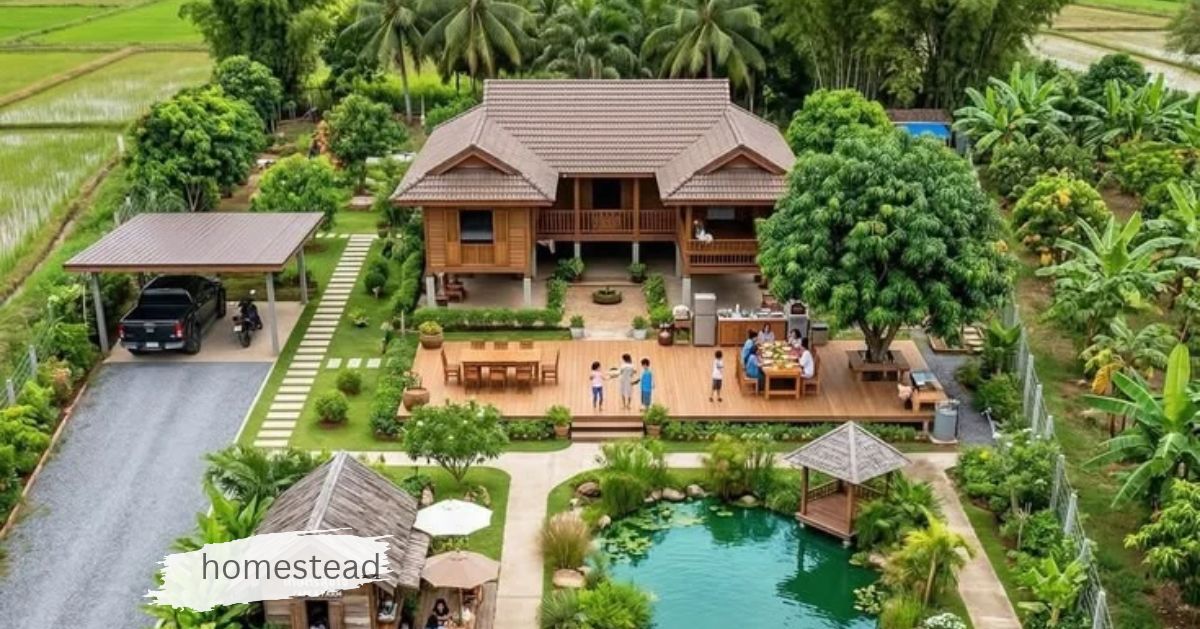
Choosing to build a homestead is a major life decision that brings freedom, purpose, and a deeper bond with the land. On this kind of property, families grow their own vegetables, raise livestock, and slowly reduce how much they rely on grocery stores and outside suppliers. Some people start with just a small yard, while others move to open countryside to build a full working property. This guide breaks down every part of the lifestyle, from its history to daily skills, so you can decide if it fits your goals.
What Does This Lifestyle Mean?
A homestead is a piece of land where people focus on producing their own food, energy, and everyday essentials instead of buying everything from stores. It is not defined by size alone, since this kind of property can be a few acres or several hundred, depending on the owner’s needs and resources. What matters most is the mindset of self reliance that drives daily decisions there. People who commit to this way of living usually raise animals, tend gardens, and store food for the colder months ahead.
The History Behind This Way of Life
This movement in America gained real momentum after the Homestead Act of 1862, which offered free land to settlers willing to farm and improve it. Early families depended entirely on hand tools, animal power, and knowledge passed down through generations. Life on those original properties was harsh, requiring constant labor just to survive rough winters and unpredictable harvests. Modern homestead living has kept that same spirit of independence while adding better tools, research, and shared online knowledge.
Key Advantages of Homestead Living
One of the strongest reasons people choose this lifestyle is the ability to control exactly what goes into their food. Growing your own produce and raising your own meat can lower grocery bills significantly once the property becomes established and productive. Many owners also describe better sleep, lower stress, and stronger family bonds from working together outdoors each day. This way of life can also open doors to local trading, selling extra produce, and building real relationships within a farming community.
Picking the Right Property for Your Homestead
Not every piece of land makes a good fit, so research matters before buying anything. Soil condition, access to clean water, and how much sunlight the land receives will shape what crops and animals can succeed there. Local rules around zoning, wells, and livestock also vary widely, so checking regulations early prevents costly mistakes later. Whether you choose a rural setup or a smaller suburban lot, matching the land to your specific goals is essential.
Skills Every Owner Should Learn
Living successfully on a homestead requires far more than just planting seeds in the spring. Basic skills like food preservation, simple repairs, and animal handling become part of everyday routine work. Many beginners start with one manageable skill, such as composting or canning, before slowly adding more responsibilities over time. As these skills build up, the whole operation runs more smoothly and depends less on outside professionals for common tasks.
Growing Your Own Food on the Land
Vegetable gardens sit at the center of most self-sufficient properties, supplying fresh produce for much of the year. Techniques like crop rotation and companion planting keep the soil healthy and productive season after season without harsh chemicals. Greenhouses and raised garden beds help extend growing seasons, especially for people living in cooler climates. Preserving extra harvests through canning, drying, or freezing means the land keeps producing food long after the last frost.
Raising Livestock on Your Property
Animals add another layer of productivity to any homestead, providing eggs, milk, meat, and natural fertilizer. Chickens are usually the easiest starting point since they require simple care and reward owners with a steady egg supply. As experience grows, many families add goats, rabbits, or even beehives to diversify what the land produces. Proper shelter, feeding routines, and basic veterinary knowledge keep the animals healthy through every season.
Building a Sustainable Setup
Sustainability shapes nearly every decision on a well run property, from water use to waste management. Rainwater collection systems, solar panels, and compost bins help reduce costs while protecting the surrounding environment. Natural methods of pest control also protect crops without introducing harmful chemicals into the soil or water supply. This long-term thinking keeps the whole property productive and healthy for many years without draining its natural resources.
Challenges That Come With This Lifestyle
Despite its rewards, this way of life is rarely easy, and new owners should prepare for real setbacks. Bad weather, pest damage, and constant physical labor can wear down even experienced homestead owners over time. Startup costs for land, equipment, and animals often add up faster than expected before the property becomes self-sustaining. Setting realistic expectations early helps prevent burnout and keeps the entire journey enjoyable rather than overwhelming.
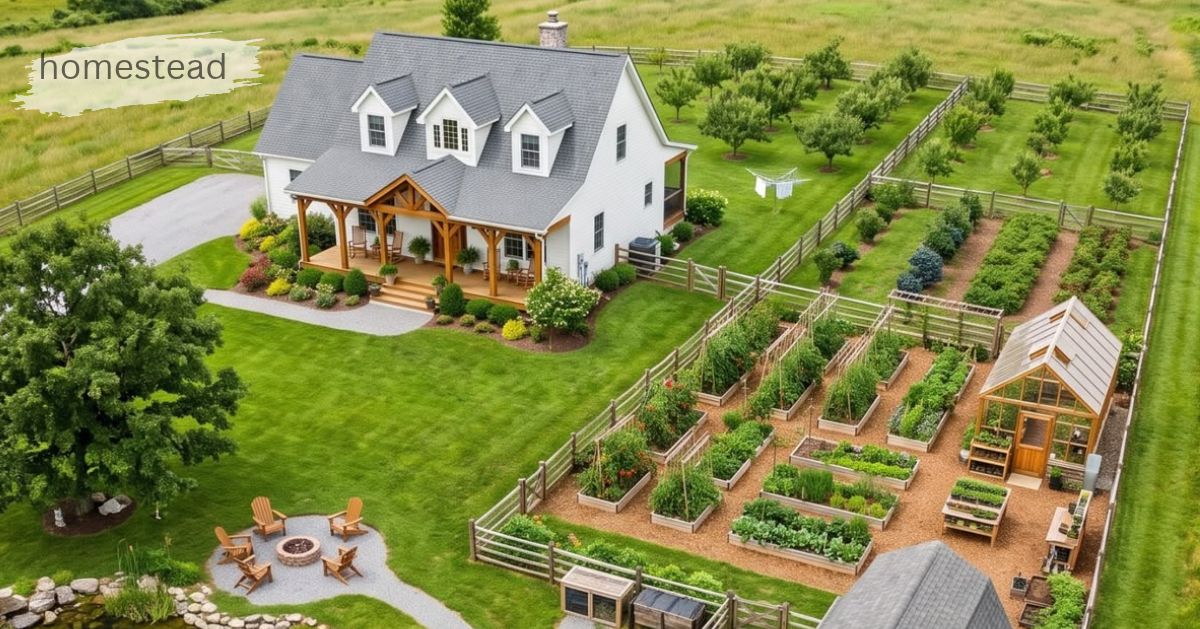 Old Style Living Compared to Today
Traditional versions of this lifestyle relied almost entirely on manual labor and knowledge shared within families over generations. Modern homestead living blends those same core values with newer tools like automated irrigation, solar technology, and online support communities. This shift has made it easier for people with little farming background to start their own property successfully. Today, a thriving setup can exist just as easily on rural farmland as it can in a small city backyard.
Practical Tips for New Owners
Anyone starting out should begin small rather than trying to do everything at once. Focusing on a single garden bed or a small flock of chickens builds confidence before larger projects are added. Keeping notes on what succeeds and what fails helps future decisions on your specific piece of land. Joining local groups also provides support, shared tools, and valuable firsthand experience from others building their own homestead.
Conclusion
Building a homestead takes patience, hard work, and a real commitment to self sufficiency, but the rewards make every effort worthwhile. From growing your own food to raising animals and embracing sustainable habits, this lifestyle brings independence and a deeper connection to the land. Whether you are just starting out or expanding an existing property, it offers a truly fulfilling path forward.
FAQs
What is a homestead?
It is a piece of land where people grow their own food, raise animals, and live a self-sufficient lifestyle.
How much land do I need to start?
You can start on just a few acres or even a small backyard. The right size depends on your goals and resources.
What skills do I need for this lifestyle?
Basic skills like gardening, food preservation, animal care, and simple repairs are essential for success.
Is it expensive to start?
Startup costs vary widely, but starting small with a garden or a few chickens keeps expenses low as you build experience.
