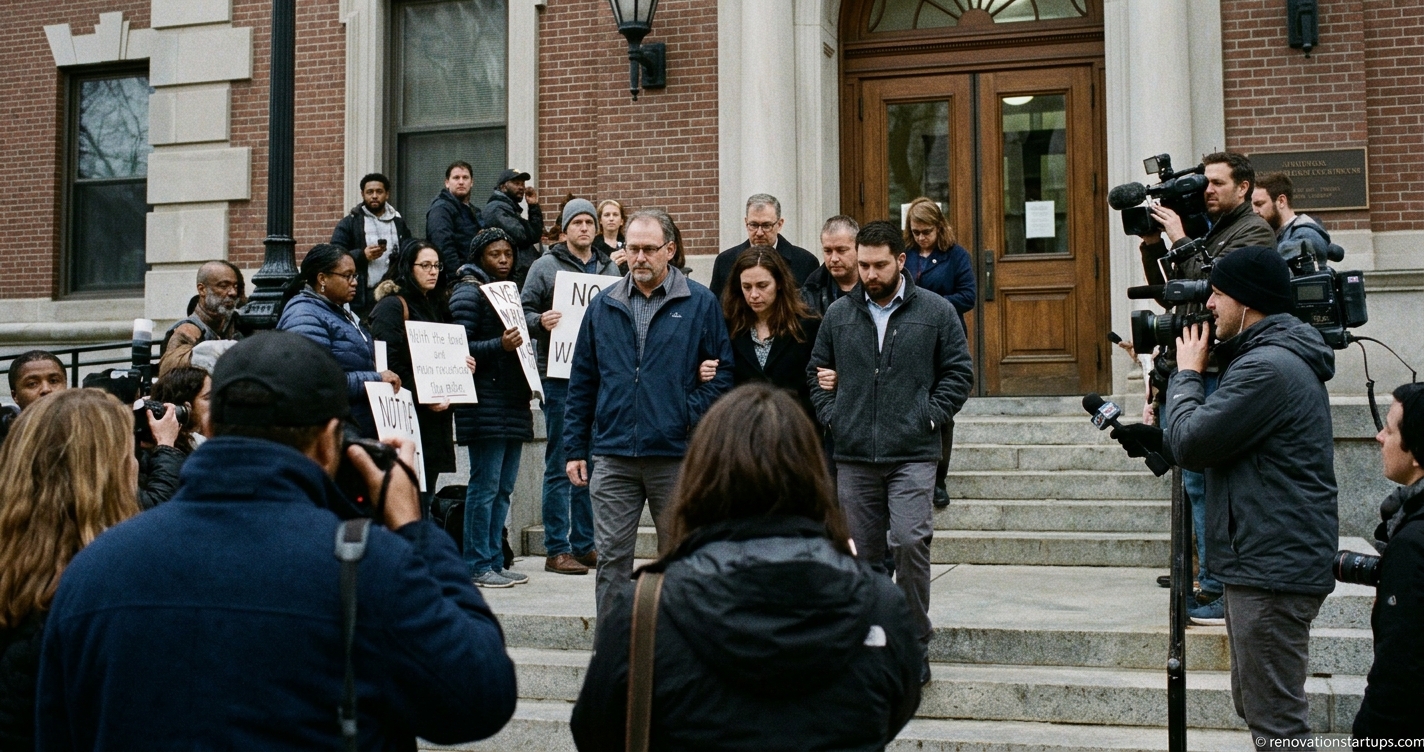
The Lindsay Clancy trial ended in a mistrial on September 4, 2026, because jurors could not agree on a verdict for three counts of first-degree murder. She has been neither convicted nor acquitted. Prosecutors haven’t said whether they will try again, and the next hearing is set for November 2.
This is a heavy story, so I’ll take it slowly. You deserve a clear picture, not a pile of confusing headlines. Ready? Let’s walk through it together.
What happened in the Lindsay Clancy case?
Lindsay Clancy is a mother from Duxbury, Massachusetts. Prosecutors say she strangled her three children at the family home on January 24, 2023. The children were Cora, 5, Dawson, 3, and Callan, 8 months old. Callan died on January 27, and prosecutors then added a third murder charge.
Afterwards, Clancy tried to end her own life and jumped from a second-storey window. The fall left her paralyzed from the chest down, and she uses a wheelchair. She has been held at Tewksbury Hospital for court-ordered treatment, and she pleaded not guilty.
Why has the case drawn so much attention? Partly because of the tragedy itself. Partly because the Lindsay Clancy trial became a public test of how courts treat severe postpartum illness. Reporters across North America followed it, and The New Yorker published an interview with Patrick Clancy in October 2024.
How did the Lindsay Clancy trial unfold?
The trial opened on July 20, 2026, at Plymouth County Superior Court after several postponements. It ran for roughly seven weeks. Judge William Sullivan presided, and defence lawyer Kevin Reddington represented Clancy.
Here’s the part many people miss. Reporting on the case says nobody seriously disputed that she caused the deaths. The real fight was over her mental state.
What did the defence argue?
The defence said Clancy had postpartum psychosis along with bipolar disorder. Her lawyers pointed to the months before the deaths, when she kept asking for help with severe insomnia, intrusive thoughts and suicidal thinking. Defence experts testified that her illness meant she could not be held criminally responsible.
What did the prosecution argue?
Prosecutors argued she knew what she was doing and acted on purpose. The Plymouth County district attorney, Timothy Cruz, has publicly defended the decision to prosecute and has stressed that three children were killed.
Who testified?
Witnesses included doctors, relatives and her former husband, Patrick Clancy. Clancy herself did not take the stand, which is her right. Did that surprise you? It surprised plenty of observers.
Why did the jury deadlock in the Lindsay Clancy trial?
Jurors deliberated for about 38 hours over seven days. Media reports put the final split at 11 to 1, with the majority reportedly leaning toward finding her not criminally responsible. Courts don’t publish official vote counts, so treat that number as reported rather than confirmed.
Massachusetts requires a unanimous verdict. Imagine twelve people, one locked door, and every vote needing to match. One holdout is enough to stop everything. Afterwards, the defence questioned how that juror was seated and how deliberations were handled. Press accounts say the judge declined to hold a special hearing on those claims, though this part of the story is still developing.
Does a mistrial mean Clancy is free?
No. A mistrial is not an acquittal, and it isn’t a conviction either. The trial simply ended without a result. She remains charged with murder and is expected to stay in psychiatric care while the case is open. Think of a mistrial as a pause, not a stop. The legal clock restarts, and both sides get to adjust their strategy.
Retrials after a hung jury are generally allowed. Her lawyers argue that putting her through a second prosecution would violate double jeopardy protections, and that question is still before the court.
What is the latest news after the mistrial?
Three developments matter most right now. I know the back-and-forth feels slow. Court calendars usually are, especially when motions pile up and appeals are possible.
The judge refused to dismiss the charges
On October 1, 2026, Judge Sullivan denied a defence motion asking him to find Clancy not guilty. He explained that he had to view the evidence in the way most favourable to prosecutors, and that deciding whether to believe the defence experts belonged to a jury.
Prosecutors haven’t chosen a path
The district attorney’s office has not said whether it will retry her, pursue lesser charges or stop. Reddington has said a second trial probably wouldn’t start before June.
A hearing is coming
On November 2, both sides return to court to discuss scheduling and pending motions. The judge warned people not to read a retrial into the fact that dates are being discussed. Anyone following the Lindsay Clancy trial closely should expect more twists, so check for updates after each hearing.
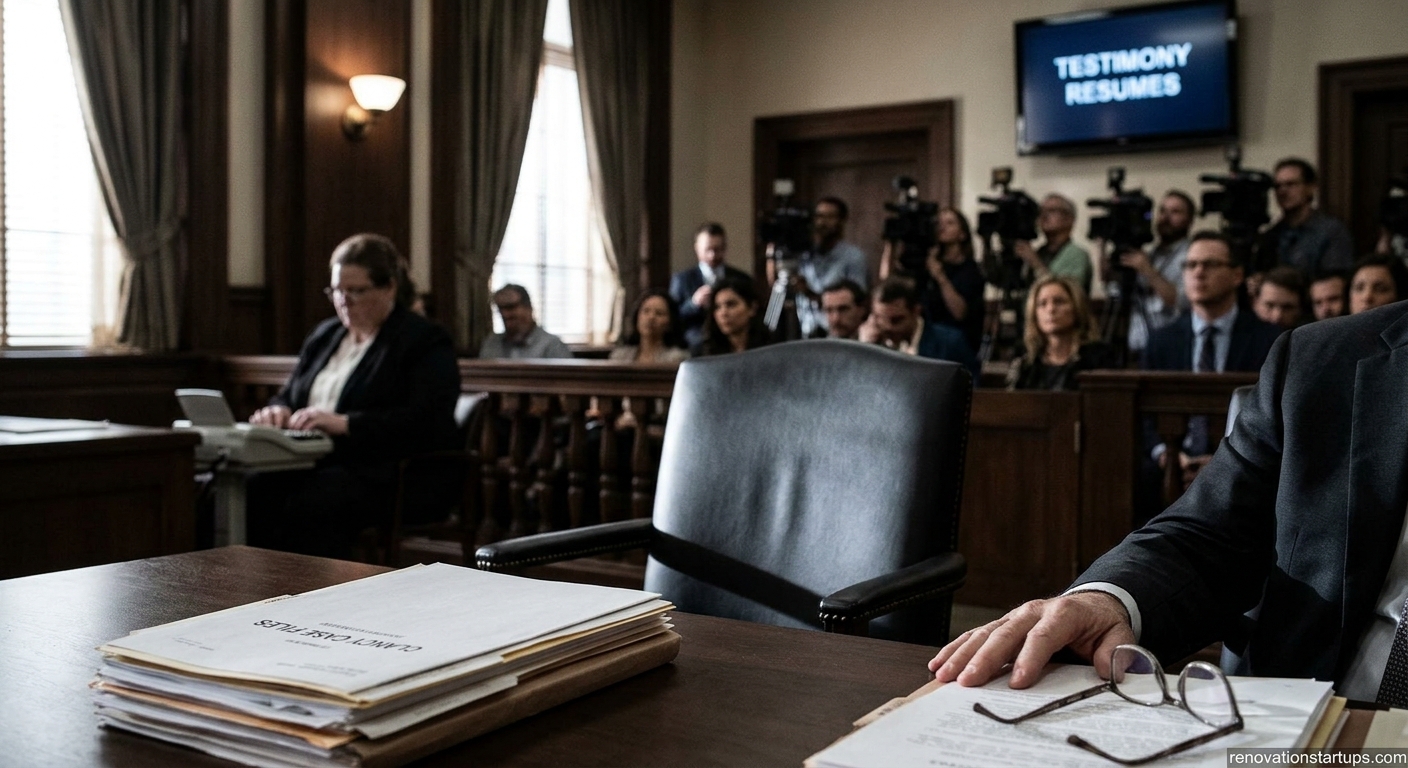
What is postpartum psychosis, and why does it matter in Canada?
Postpartum psychosis is a rare emergency that affects roughly 1 to 2 of every 1,000 births. Symptoms can include confusion, severe sleeplessness, paranoia, hallucinations and fast mood swings, usually within days or weeks of delivery. It is treatable, and most people recover with quick medical care. It is also very different from baby blues or ordinary postpartum depression.
Canadian readers sometimes ask how a case like the Lindsay Clancy trial would look at home. Under the Criminal Code, a person can be found not criminally responsible on account of mental disorder. That verdict doesn’t mean walking free, because a provincial review board decides on detention, treatment or release. Massachusetts law differs in the details, so the case is no direct preview of a Canadian outcome.
Here’s a practical tip. If a new parent in your life barely sleeps for several nights and seems confused or frightened, treat it as urgent, not as ordinary tiredness.
If you or someone you love is struggling after a birth, please tell a doctor, midwife or nurse right away. In Canada or the United States, you can call or text 988 for crisis support, and 911 in an emergency. You are not alone.
What should you take away from this?
The Lindsay Clancy trial didn’t end with a verdict, and that leaves a lot hanging. The facts are not in dispute, but her mental state still is. A retrial may or may not happen, and the courts will decide. Meanwhile, the case has pushed postpartum mental health into the open, and that conversation matters whatever happens next
FAQ your Clancy questions answered
Was Lindsay Clancy found guilty?
No. The jury deadlocked, and the judge declared a mistrial on September 4, 2026. She has not been convicted or acquitted, so legally the charges remain open.
Will Lindsay Clancy be retried?
Nobody knows yet. Prosecutors haven’t decided, and the next hearing is November 2.
How long was the Lindsay Clancy trial?
About seven weeks, starting July 20, 2026, including seven days of jury deliberation.
Where is Lindsay Clancy now?
She remains in court-ordered psychiatric care at Tewksbury Hospital.
