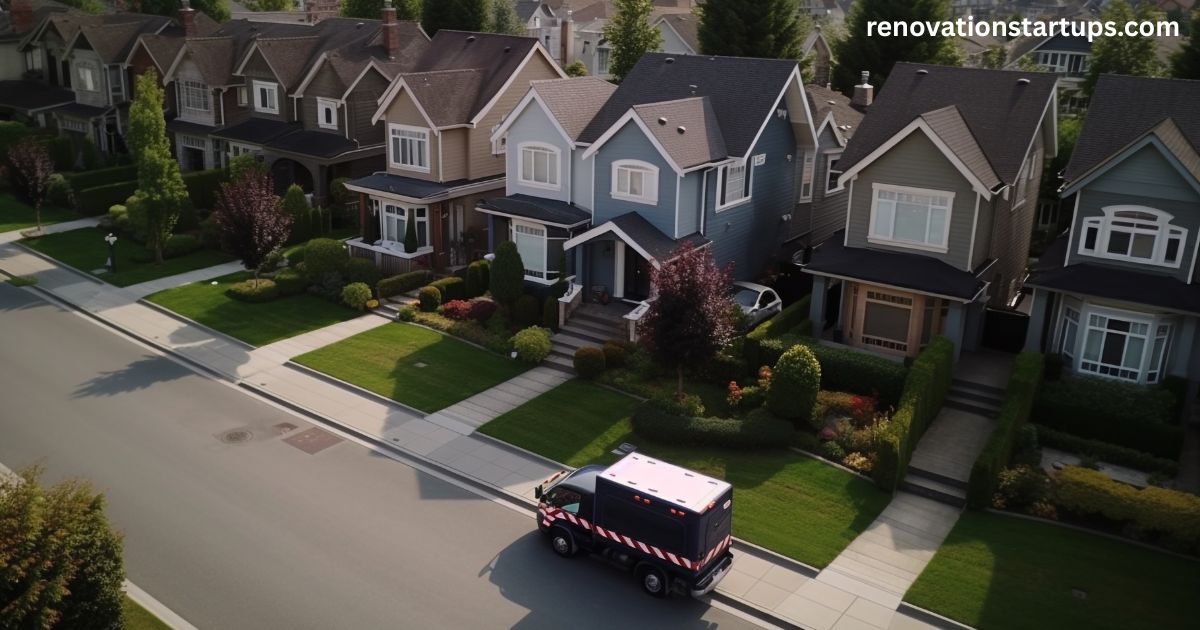
Winnipeg houses for sale range from character bungalows near the Exchange District to brand-new builds in Sage Creek and Bridgwater, and the price you’ll pay depends heavily on the neighbourhood, the home’s age, and how close it sits to downtown. As of mid-2026, the average resale price across the city sits around $401,000–$427,000, with detached homes averaging closer to $477,000–$484,000 and condos running roughly $286,000–$296,000. That’s still well below what buyers pay in Toronto, Vancouver, or even mid-sized Ontario markets, which is the main reason Winnipeg keeps showing up on national affordability lists.
This guide covers current pricing, the neighbourhoods drawing the most buyer activity, what closing actually costs in Manitoba, and how to search smartly instead of just scrolling listings.
What Does the Winnipeg Housing Market Look Like Right Now?
Current Market Conditions
Anyone browsing Winnipeg houses for sale toward a seller’s market in several segments. Regional real estate board data through the first half of 2026 shows a sales-to-new-listings ratio around 70%, and detached home prices have posted year-over-year gains for several months running, with April 2026 marking the first time the average detached price crossed $500,000 in a single month before settling back into the high $470,000s to low $480,000s through spring and summer. Condo prices, by contrast, have softened slightly year over year, giving buyers a bit more room to negotiate on that segment specifically.
The Age of Winnipeg’s Housing Stock
Winnipeg’s housing stock also skews older than most newcomers expect. A large share of homes were built in the 1960s and 1970s, with the remainder split between pre-1960 construction and the 1980s building boom. That matters practically: older homes often carry older wiring, aging roofs, and inspection line items that newer builds simply don’t have.
Ownership vs. Renting
Roughly two-thirds of residents own their home here, a ratio that’s held fairly steady while renting has crept up in other Canadian cities. Single detached homes still dominate the listings, with apartments and townhomes filling out the rest for buyers who want less exterior upkeep.
What Surprises Out-of-Province Buyers Most
One thing that consistently surprises out-of-province buyers isn’t the price, it’s the square footage that price buys. A budget that gets a one-bedroom condo in Toronto or Hamilton can often get a three-bedroom detached house with a yard in Winnipeg.
How Much Do Houses Cost in Winnipeg? (2026 Price Breakdown)
Lumping every property type into one city-wide average hides more than it reveals, so here’s how pricing actually splits by category.
Single Detached Homes
This is where most inventory sits. Prices generally start in the high $200,000s to low $300,000s for older starter homes and climb past $700,000 for larger properties in newer developments like Bridgwater Forest or Sage Creek. The city-wide detached average as of mid-2026 is roughly $480,000, up modestly from last year.
Condos and Apartments
Condo units sit at the lower end of the market, typically between $130,000 and $350,000 depending on size, age, building amenities, and whether there’s an elevator or in-suite laundry. Smaller units near the University of Manitoba or the downtown core generally price lower. City-wide condo averages have been sitting in the high $280,000s to mid $290,000s through 2026, a slight year-over-year dip that gives condo buyers a little more negotiating leverage than detached buyers currently have.
New Construction
Quick-possession and pre-construction homes usually start around $400,000 and climb past $700,000 depending on lot size and finishes. These come with builder warranties that resale homes don’t offer, which some buyers weigh heavily when comparing similarly priced options.
What Closing Actually Costs in Manitoba
Manitoba’s Land Transfer Tax is one of the most overlooked costs first-time buyers run into. It’s a tiered tax on the property’s value: nothing on the first $30,000, then rates that climb in stages roughly 0.5% up to $90,000, 1% up to $150,000, 1.5% up to $200,000, and 2% on the portion above $200,000 plus a flat $70 registration fee. Unlike Ontario, Manitoba does not currently offer a rebate for first-time buyers on this tax, though federal programs like the Home Buyers’ Plan and First Home Savings Account still apply on top of it.
Beyond land transfer tax, budget for legal fees ($1,000–$2,000), a home inspection ($300–$600), title insurance ($250–$400), and a property appraisal ($300–$500) if your lender requires one. All in, a realistic closing-cost budget is 1.5% to 4% of the purchase price, and it needs to be cash on hand; it isn’t something you can roll into the mortgage.
Which Winnipeg Neighbourhoods Get the Most Buyer Interest?
Some neighbourhoods consistently post higher transaction volumes than others, and that activity level tends to signal both demand and price stability.
River Park South
Family-friendly, close to schools, and one of the highest-volume areas for detached home sales year over year. Well-priced listings here tend to move quickly.
Fort Richmond
Popular with buyers who want proximity to the University of Manitoba without downtown pricing. A mix of older bungalows and newer infill homes.
Linden Woods and Windsor Park
Both draw steady interest from move-up buyers selling a starter home to buy something larger with a bigger yard.
Bridgwater and Sage Creek
The newer-construction end of the market, popular with buyers prioritizing garages, modern finishes, and turnkey properties over character or location.
Tyndall Park and Jefferson
Farther from the core, these neighbourhoods offer lower entry prices, making them worth a look for buyers stretched on budget but flexible on commute time.
Is Winnipeg Affordable Compared to Other Canadian Cities?
Where the Savings Actually Show Up
Yes, by most standard measures. Winnipeg’s average home price remains well below the Canadian average, and Manitoba’s electricity rates rank among the lowest in North America, a detail that doesn’t show up in a listing price but shows up every month on the utility bill. Winnipeg apartments also tend to run cheaper than comparable units in Hamilton, Ontario, which gives a useful reference point for buyers relocating from Ontario markets.
Where Affordability Has Limits
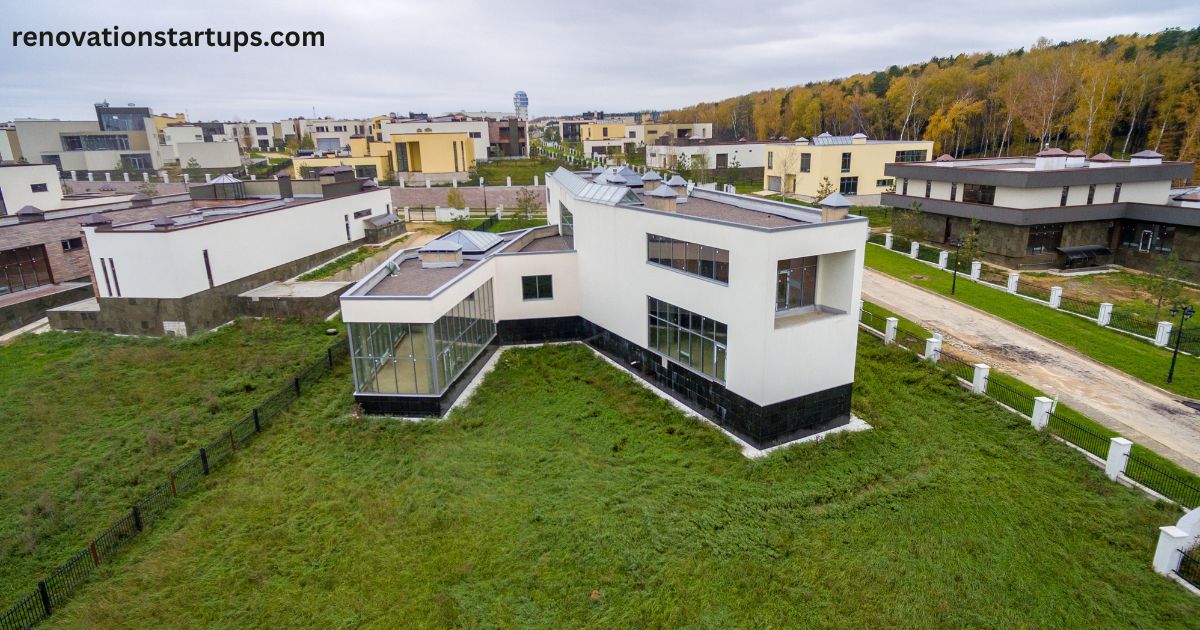
That said, affordable doesn’t mean cheap everywhere in the city. Newer subdivisions with modern finishes and larger lots price closer to what you’d expect in a mid-sized Ontario city. The real affordability advantage shows up in older, established neighbourhoods rather than brand-new communities which is worth keeping in mind if a cheap Winnipeg house is the goal versus a new build.
How Do You Search for Winnipeg Houses for Sale?
Working With a REALTOR® vs. Public Listing Sites
Most buyers start either directly through public-facing portals pulling the same MLS® data. A licensed agent can also access sold-price history, which public listing sites typically don’t show and that history matters when judging whether an asking price is realistic or inflated.
Flat-Fee and FSBO Listings
Some sellers now use flat-fee listing services that charge a set amount, often a few hundred dollars, to get a property onto MLS® without a full-service commission structure. This can work well for sellers comfortable handling their own showings and negotiations, but buyers should confirm whether a buyer’s agent commission is actually included, since not every flat-fee listing covers it.
Checking Building Permit Records
Building permit records are another underused resource. Checking recent permits for a specific address additions, garage builds, structural work can reveal whether a seller invested in the property recently or let deferred maintenance pile up instead.
FAQ
Cheap houses for sale in Winnipeg
Winnipeg offers some of the most affordable housing in Canada, with entry-level houses starting well below the national average a real advantage for budget-conscious buyers.
House for sale Winnipeg South
Winnipeg South neighbourhoods like St. Vital and Fort Richmond offer family-friendly houses for sale with solid resale value and easy access to schools.
Rural houses for sale Winnipeg
Just outside the city, rural houses near towns like Niverville and Ste. Anne gives buyers more land and a quieter, small-town feel without leaving Manitoba.
3 bedroom house for sale Winnipeg
3-bedroom houses are common across the city, especially among single detached homes from the 1960s and 1970s a natural fit for growing families.
Cheap houses for sale in Winnipeg under $300,000
Buyers can still find solid starter homes under $300,000 in areas like Tyndall Park and Jefferson, keeping homeownership genuinely reachable here.
Bank owned homes for sale Winnipeg
Bank-owned homes, often listed as foreclosures or power-of-sale properties, occasionally appear on MLS® and can mean real savings for patient buyers.
Cheap houses for sale in Winnipeg by owner
FSBO (for sale by owner) listings let sellers skip commission fees, sometimes passing part of that savings on through a lower asking price.
Houses for sale Winnipeg St. Vital
St. Vital blends established streets with steady buyer demand, offering a community feel that keeps families coming back generation after generation.
Is Winnipeg a buyer’s or seller’s market in 2026?
Current data points to a seller-leaning market overall, particularly for detached homes, though condos have softened slightly and offer buyers more room to negotiate.
Best time to browse Winnipeg houses for sale
Spring and early summer bring the most new listings, but serious buyers watch year-round since well-priced homes in high-demand areas move quickly regardless of season.
