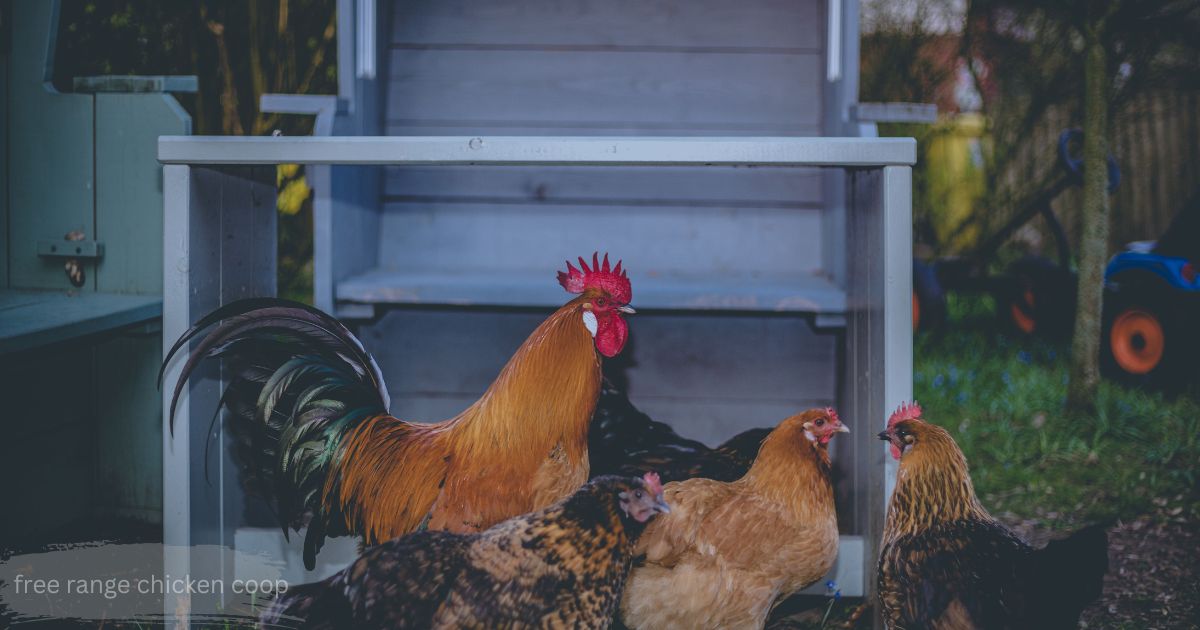
A free range chicken coop is quickly becoming one of the most popular backyard projects across Canada, from small city lots in Ontario to larger rural properties in British Columbia.
More families are choosing to raise their own hens for fresh eggs, a closer connection to their food, and the simple pleasure of watching chickens peck around the yard. But before bringing home a flock, it helps to understand what makes a coop suitable for free ranging, what Canadian municipalities expect from backyard poultry keepers, and how to build or buy a setup that keeps birds safe through every season.
This guide walks through everything a new or experienced keeper needs to know about setting up a pasture style hen house that works well in a Canadian climate.
What Makes a Coop Suitable for Free Ranging
Not every backyard structure qualifies as a proper free range chicken coop. A true setup gives hens a secure place to sleep, lay eggs, and shelter from bad weather, while also allowing supervised or fenced access to open ground during the day. The coop itself should be raised slightly off the ground to discourage rodents, ventilated well enough to prevent moisture buildup, and fitted with roosting bars so birds can rest naturally. Many Canadian cities require the structure to sit a set distance from property lines, so checking local bylaws before construction saves time and frustration later.
Basic Structural Requirements
The frame of any solid coop should include a weatherproof roof, solid walls on at least three sides, and a door that closes securely each night. Predator proofing matters more in Canada than in many other regions because raccoons, foxes, coyotes, and owls are common in both suburban and rural areas. Hardware cloth buried a few inches into the ground around the perimeter stops digging predators, while a covered run keeps aerial threats away from hens during the day.
Space and Ventilation Needs
Most experts recommend around four square feet of coop space per bird and about ten square feet of outdoor run space per bird, though a free-range setup with daytime pasture access can work with slightly less run space since hens spend hours outside the enclosure. Ventilation near the roofline allows ammonia and moisture from droppings to escape without creating a draft directly on roosting birds, which is especially important during humid Canadian summers.
Choosing the Right Location in Your Yard
Placement affects almost everything about how well a coop performs. A free range chicken coop should sit somewhere it can be seen easily from the house, which helps with predator monitoring and daily care. Avoid low spots that collect water after rain or snowmelt, and keep some distance from shared fences so noise and smell do not become a source of neighbourly friction. Morning sun exposure helps hens start laying earlier in the day, while some afternoon shade prevents overheating during warmer months.
Materials That Hold Up in Canadian Winters
Wood remains the most common material for backyard coops because it insulates naturally and is easy to modify. Cedar and pine are popular choices since they resist rot reasonably well when properly sealed. Metal roofing sheds snow effectively, reducing the weight load on the structure during heavy winter storms. Some keepers also add a layer of foam insulation inside the walls, paired with the deep litter bedding method, to help hens stay warm without relying on heat lamps, which can pose a fire risk inside a wooden coop.
Predator Proofing Your Setup
Predator pressure is one of the biggest challenges for anyone running a backyard free-range hen setup in Canada. Beyond burying hardware cloth around the perimeter, latches should require more than one motion to open since raccoons are capable of manipulating simple hooks. Automatic coop doors that close at dusk remove the risk of forgetting to lock hens in for the night. A motion activated light near the run can also discourage nighttime visitors from approaching the enclosure.
Feeding and Watering Setup free range chicken coop
A well organized feeding station keeps a flock healthy and reduces waste. Feeders should be raised slightly off the ground to prevent contamination from droppings, and containers should be large enough that all birds can eat without competing aggressively. Fresh water needs to be available at all times, and in colder months a heated waterer prevents freezing overnight. Grit should also be offered so hens can properly digest the food scraps and forage they pick up while free ranging.
Understanding Canadian Municipal Bylaws
Regulations for keeping backyard hens vary widely between provinces and even between neighbouring cities. Some municipalities allow a maximum of four hens per residential lot, while others base limits on lot size. Many require registration, a small permit fee, or a property inspection before chickens can legally be kept. Roosters are almost universally restricted in urban areas because of noise complaints. It is worth contacting the local planning or bylaw office directly before finalizing coop plans, since a free range chicken coop built without proper approval may need to be relocated or removed later.
Health and Cleanliness Practices
Routine cleaning keeps a flock healthy and prevents pest problems. Bedding should be changed regularly, and nesting boxes need a ratio of roughly one box for every three to four hens to reduce competition and stress. Manure should be stored in a covered, waterproof container rather than left in the open, both for hygiene and to satisfy bylaw requirements in many Canadian towns. Watching for signs of illness, such as lethargy or reduced appetite, allows early intervention before disease spreads through the flock.
Seasonal Adjustments Through the Year
A free-range hen coop needs different care depending on the season. Spring calls for cleaning out winter bedding and checking for repairs after snow and ice stress the structure. Summer requires extra attention to ventilation and shade, since chickens are more vulnerable to heat than cold. Fall is the time to reinforce insulation and seal any drafts before winter arrives. During winter, reducing the free ranging window on extremely cold days and providing extra bedding helps hens stay comfortable.
Managing Extreme Winter Conditions
In regions with harsh winters, some keepers close off outdoor access entirely during storms and rely on an attached, insulated run instead. The deep litter method, where bedding is layered rather than fully replaced, generates gentle heat through natural decomposition and can make a real difference in a Canadian free range chicken coop through the coldest months.
Building Versus Buying a Coop
Some keepers prefer building a custom structure from scratch, which allows full control over size, layout, and materials. Others choose a prefabricated kit for convenience, since many are designed with predator proofing and ventilation already built in. Whichever route is chosen, prioritizing durability over appearance tends to pay off, since Canadian weather is demanding on outdoor structures year round.
Enriching the Free Ranging Experience
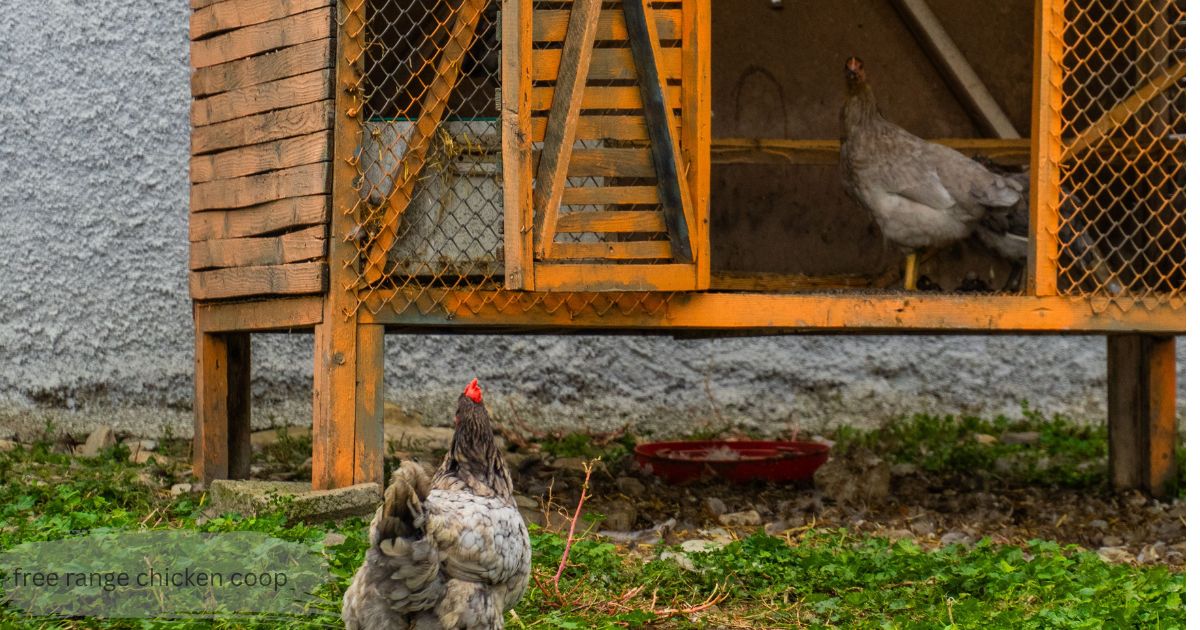
Hens with access to open space benefit from a bit of enrichment to keep them active and reduce pecking behaviour toward each other. Dust baths, scattered scratch grains, and areas of natural vegetation give chickens something to do throughout the day. A rotating fenced paddock system also protects the lawn from being stripped bare in one spot, letting grass recover while hens forage elsewhere.
Conclusion
Setting up a successful free range chicken coop in Canada takes a bit more planning than in milder climates, but the payoff is a healthier, happier flock and a steady supply of fresh eggs. From choosing sturdy, weather resistant materials to understanding local bylaws and predator risks, every decision made early on saves headaches later. Whether building from scratch or starting with a prefabricated kit, focusing on ventilation, security, and seasonal adjustments will keep hens comfortable through every month of the year. With the right setup, a backyard flock can thrive for years while giving families a rewarding, hands-on connection to where their food comes from.
FAQs
What size should a free-range hen coop be for a small backyard flock?
Free range chicken coop For a small flock of four to six hens, a coop offering around four square feet of indoor space per bird is generally sufficient, paired with a securely fenced outdoor run for daytime activity.
How many chickens are allowed in a Canadian backyard?
Most Canadian municipalities that permit backyard poultry allow between four and six hens per residential lot, though limits vary depending on lot size and local bylaws.
What is the best way to protect chickens from predators overnight?
Locking hens inside a secure, ventilated coop each evening with double latches and buried wire fencing around the perimeter is the most reliable way to prevent nighttime predator attacks.
How do backyard chickens stay warm during Canadian winters?
Chickens stay warm through proper insulation, deep litter bedding that generates natural warmth, and a draft free but well ventilated coop, without needing a heat lamp in most cases.
