
Many people picture snowy forests, medieval towers, and the fast internet when they hear the name estonia, and that picture is surprisingly accurate. This small nation in northern Europe has built a strong reputation for creativity, calm landscapes, and modern public services. In this guide, you will learn about its location, history, cities, nature, culture, economy, and travel basics in plain words. Whether you are planning a trip, studying geography, or simply feeling curious, the sections below give you a clear and friendly picture of this Baltic country and the people who call it home.
Where estonia Sits on the Map and Why It Matters
This Baltic nation lies in northern Europe, on the eastern shore of the Baltic Sea. The Gulf of Finland washes its northern coast, which places the capital city just across the water from Helsinki. To the south the country shares a land border with Latvia, and to the east it meets Russia. The total area is about 45,000 square kilometres, which is small compared with many other European countries. Despite that modest size, the position between Scandinavia and the wider continent has made the land important for trade, travel, and defence for many centuries. Ships have crossed these waters for ages, and the busy harbours along the coast still keep that old tradition alive today.
How History Shaped a Proud and Independent Nation
The story of this land is long, and it has not always been peaceful. Knowing the past helps explain why the people value freedom so deeply.
Centuries Under Foreign Rule
From the thirteenth century onward, the territory was controlled by a series of outside powers, including Germans, Danes, Swedes, and later the Russian Empire. After a long war with Sweden ended in 1721, Russian control became firm. Through all those years, local families kept their language and folk traditions alive in villages and farms. That quiet effort later became the foundation of a strong national identity.
The Road Back to Freedom
A short period of independence followed the First World War, lasting from 1918 until 1940. Then the Soviet Union annexed the land, and decades of hardship followed. In 1991, as the Soviet system collapsed, the country declared independence once again. It quickly began rebuilding its government, economy, and public life from the ground up, and the results have impressed observers around the world.
Tallinn and Beyond Urban Stops That Deserve Your Attention
Tallinn is the capital and the largest city, home to roughly 400,000 residents. Its old town is famous for narrow cobbled lanes, tall church spires, and walls that date back to medieval times. The city is also a working port on the Gulf of Finland, so ferries arrive and depart throughout the day. Further south you will find Tartu, a lively university town that once belonged to the Hanseatic League, a powerful network of trading cities. Students fill its cafes and parks, giving it a youthful energy. The country is divided into 15 counties, and each one has small towns, manor houses, and local markets that reward curious travelers.
Woodlands, Waterways, and Offshore Isles That Paint the Landscape
Nature lovers who visit estonia often say the landscape feels like a deep breath of fresh air. Almost half of the land is covered by forest, and the mainland is mostly flat, which makes walking and cycling easy for beginners. There are more than 1,400 lakes scattered across the country, along with around 1,500 islands in the Baltic Sea. Wooden boardwalks lead visitors across quiet bogs that are full of birdlife and wild berries. In summer the nights stay bright for hours, while winter brings long dark evenings and thick snow. Each season offers a different mood, so the scenery never feels repetitive.
People, Language, and Everyday Culture
Around 1.3 million people live here, which makes it one of the least crowded countries in Europe. The national language is closely related to Finnish, and a large minority of residents also speak Russian at home. According to a 2021 estimate, about two thirds of people use the national language as their first tongue, while roughly 28 percent use Russian. Singing is a deep part of local culture, and huge song festivals bring thousands of voices together on a single stage. Many families also love the sauna, which is treated as a place for rest, conversation, and healthy habits. Interestingly, more than half of the population says it follows no religion.
A Digital Society Far Ahead of Its Time
Few countries have embraced technology in daily life as boldly as this one. Ordinary tasks that take hours elsewhere can often be finished in a few minutes on a laptop or phone.
Government Services on Your Screen
Most public services are available online, from signing documents to checking medical records and paying taxes. Citizens use a secure digital identity to prove who they are, so long queues at government offices have become rare. This approach saves time, reduces paperwork, and builds trust between people and their institutions.
Online Voting and Digital Residency
The country was the first in the world to allow online voting in national elections, and many voters now choose that convenient option. A digital residency program also lets people from other countries start and manage a company remotely, without moving. This creative idea has attracted entrepreneurs, freelancers, and small business owners from many regions.
Economy, Currency, and the Business Climate
The economy is modern, market based, and open to the world. Prices for goods and services are set in a free price system, and the country is ranked as a high income economy. The euro became the official currency in 2011, replacing the older kroon, which made trade with neighbouring countries much simpler. Technology startups, logistics companies, and creative industries are among the most active sectors. The government is a parliamentary republic, where the president serves as head of state and the prime minister leads the government. Strong digital tools and clear rules have helped many new companies grow quickly.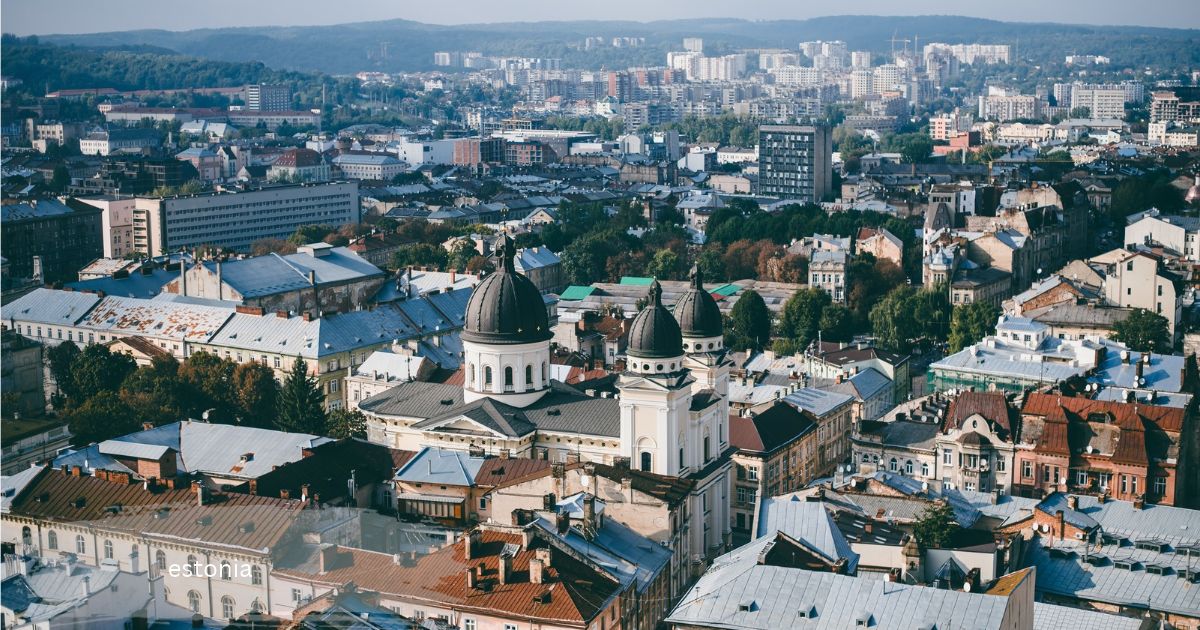
Membership in Europe and Global Alliances
The country joined the North Atlantic Treaty Organization on 29 March 2004, and it became a member of the European Union on 1 May 2004. These two steps gave it security, access to a huge market, and a stronger voice in international talks. Residents can study, work, and travel freely across many European countries, which has opened many doors for young people. The nation has also earned respect for its steady support of its neighbours and for sharing its digital knowledge with partners abroad. Its size may be small, but its influence in regional discussions is much larger than many people expect.
Practical Travel Tips for First Time Visitors
Summer, from June to August, is the most popular season because the weather is mild and the days are very long. Winter suits travelers who enjoy snow, festive markets, and cozy cafes. Ferries run regularly from Helsinki, so many visitors reach Tallinn on a short sea crossing. Cards and contactless payments are accepted almost everywhere, and English is widely understood in cities and tourist areas. Pack layers, because the weather can change quickly near the coast. Finally, try a traditional sauna at least once, since it is one of the most authentic ways to experience local life.
conclusion
In the end, estonia proves that size does not decide influence. This Baltic nation has moved from decades of foreign control to become a confident, creative, and connected member of the international community. Its forests, islands, and medieval streets attract visitors who want peace and beauty, while its digital services and business friendly spirit attract people who want progress. Add a warm sauna culture, a proud musical tradition, and easy access from nearby capitals, and you have a destination that is both relaxing and inspiring. Whether you read about it, visit it, or work with its companies online, you will likely come away impressed.
FAQs
What is the currency of estonia?
The official currency is the euro, which replaced the former kroon in 2011. Cards and contactless payments are accepted in almost every shop, cafe, and hotel.
What language is spoken in estonia?
The national language is closely related to Finnish, and it is used by about two thirds of residents as their first language. Russian is also spoken by a large minority, and English is common in cities and tourist places.
How did estonia become part of the EU?
After regaining independence in 1991, the country reformed its economy, laws, and institutions to meet European standards. These efforts led to full membership in the European Union on 1 May 2004.
How many people live in estonia?
Around 1.3 million people live there, which makes it one of the least crowded countries in Europe. Nearly a third of that number lives in and around the capital city.
