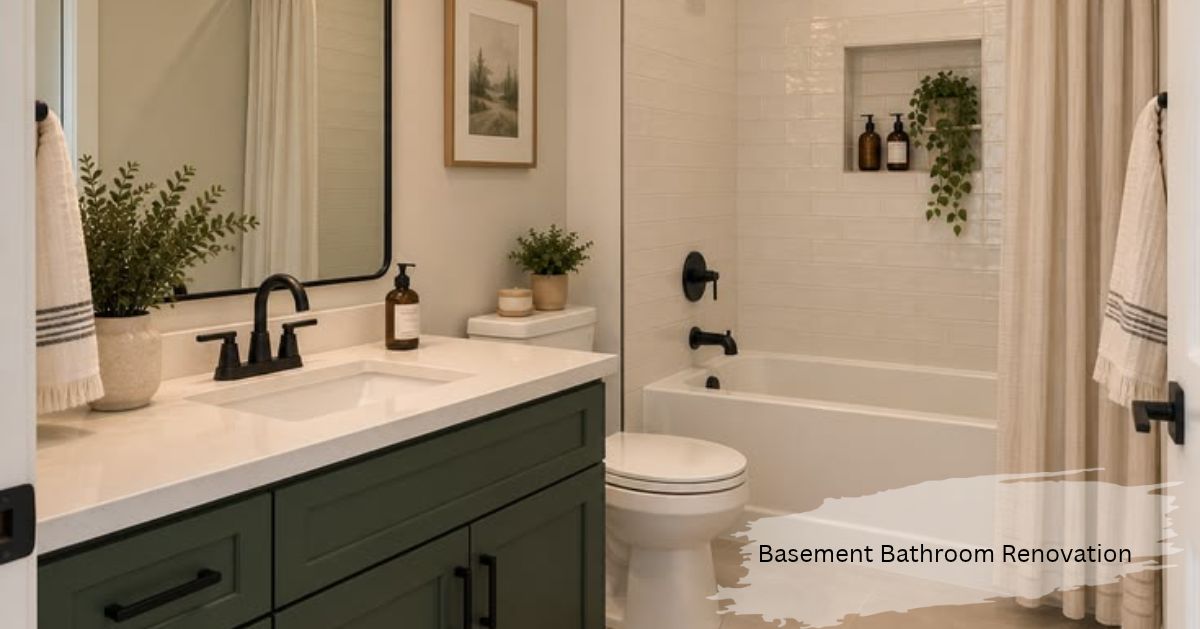
When I helped my brother with his basement bathroom renovation, I saw how much unused lower level space can do for a home. He hated the daily trips upstairs, and his guests did too. The project brought challenges like low ceilings, moisture, and tricky plumbing, but careful planning and one step at a time gave us confidence. I wrote this guide so you can reach the same comfort without the guesswork.
Why a Basement Bathroom Renovation Adds Value
Buyers love a finished basement with a half bath or a full bath, because it brings extra living space and strong market appeal. My neighbor chose to sell last spring, and her new bathroom helped her ask for a higher asking price. If you stay put, the daily convenience still feels practical during family movie nights, guest stays, and workouts in your home gym below ground.
Setting a Realistic Budget
I always set a budget first, because costs climb fast. Collect three quotes, then add a cushion of 10 to 15 percent for surprises, which saves you stress and half-finished projects. Your location shapes the price, and an upstairs remodel costs less than concrete cutting, drainage requirements, and other plumbing work, while fixtures push the total higher.
Plumbing and Drainage Upflush or Gravity?
Your plumbing setup drives most of the decisions in this project. Gravity drains work well when the main sewer line sits below the basement floor, but they often mean demolition of concrete. An upflush toilet system uses pumps to send waste to the main drain, so it is often a cost effective option, and a licensed plumber will check your drainage before you choose.
Moisture Control and Waterproofing for Your Basement Bathroom Renovation
Water causes the worst damage below grade, so I never skip this step in a basement bathroom renovation. I check the foundation walls, floors, and walls for cracks, leaks, and dampness before any tile goes down. A sump pump and a vapor barrier keep mold away, and good waterproofing protects your investment from costly repairs and moisture problems.
Ventilation and Lighting
Basements rarely get natural light, so I layer lighting with recessed ceiling lights, a bright vanity fixture, and a moisture rated shower light. A quiet, high capacity exhaust fan improves airflow and cuts humidity, and it should vent outdoors, never into the ceiling cavity. Good ventilation and warm lighting make the room feel open instead of closed in.
Best Materials for a Basement Bathroom Renovation
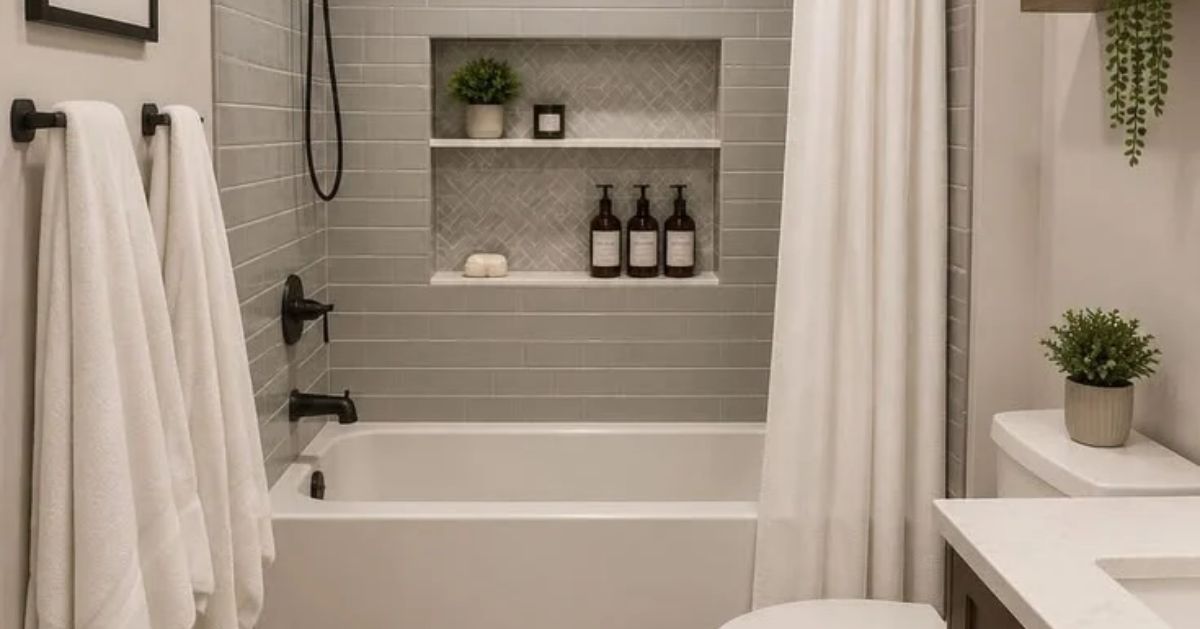
Pick materials that handle humidity and dampness without trouble. Porcelain tile, ceramic tile, luxury vinyl plank flooring, and cement backer board resist warping in wet zones. I skip solid hardwood and standard drywall in a basement bathroom renovation, and I choose mold resistant drywall with moisture-resistant paint instead.
 Permits and Building Codes
Call your building department early, since permits usually cover electrical work and plumbing. Building codes often set rules for ceiling height, egress, ground-fault outlets, and ventilation. Skipping inspections can lead to fines, and it can cause real trouble when you sell.
Hiring a Pro or Going DIY
DIYers can handle painting, a vanity, tile, and other finishes with little risk. Licensed professionals should take on drain work, electrical wiring, waterproofing, and moisture control, because these critical systems protect the whole room. Many homeowners save money by splitting the job, since mistakes in plumbing cost far more to fix.
Conclusion
A successful basement bathroom renovation starts with a realistic budget, smart plumbing choices, and strong moisture control. Add good ventilation, the right permits, and moisture resistant materials, and you will end up with a comfortable space that adds lasting value to your home.
FAQs
How long does a basement bathroom renovation take?
Most projects take 4 to 8 weeks, depending on plumbing work, permits, and material delivery. Drain work and waterproofing usually take the longest.
Can I do a basement bathroom renovation myself?
You can handle painting, tile, and a vanity yourself. Leave drain work, electrical wiring, and waterproofing to licensed professionals.
What flooring is best for a basement bathroom?
Porcelain tile and luxury vinyl plank resist moisture well and will not warp. Avoid solid hardwood, since dampness can damage it.
What is the best toilet for a basement bathroom renovation?
An upflush toilet system works well when your main sewer line sits above the floor. Otherwise, a standard gravity toilet is the cheaper choice.
Note: These are new questions, different from the earlier FAQ set. The 4 to 8 week timeline is a general estimate, so confirm it with your contractor. I also left out the township office and website details you asked me to ignore.
