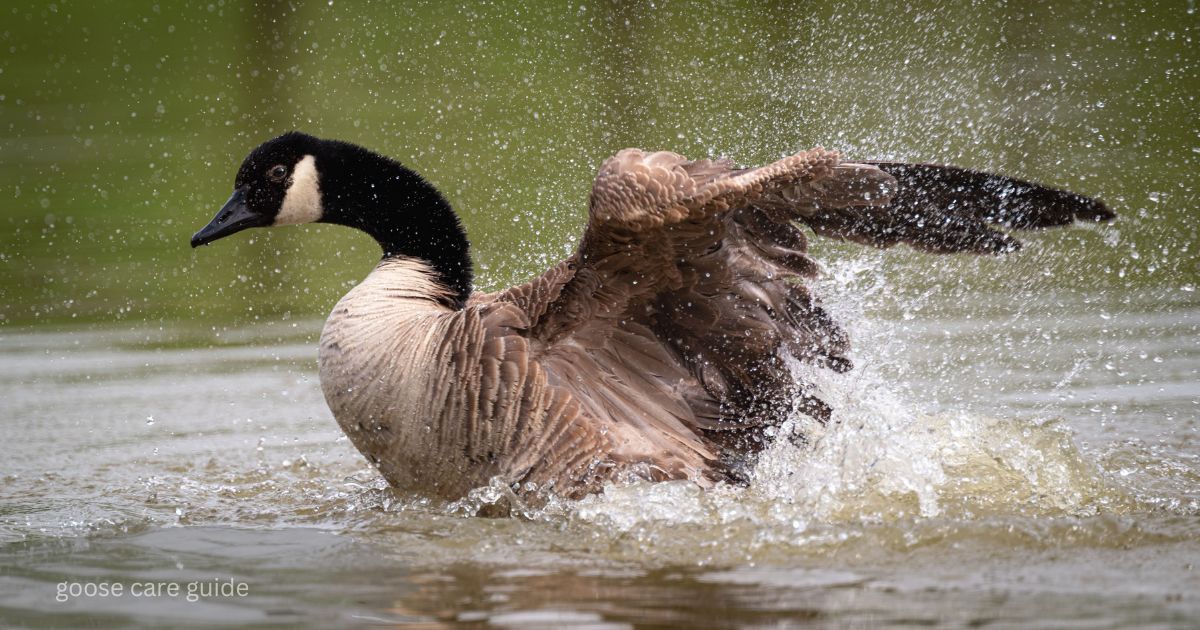
Geese are loud, clever and full of personality, and more Canadians are welcoming them into backyards and small farms every year. They graze on grass, keep watch over smaller birds and give rich seasonal eggs. Still, a goose is not just a chicken with a longer neck, and treating it that way leads to problems. This goose care guide is written for keepers who face real Canadian winters, muddy springs and local rules. You will learn how to choose birds, build a safe home, feed them well, protect them from predators and keep them healthy in every season. Read it slowly and plan before you bring any goslings home.
Are Geese a Good Fit for Your Canadian Property?
Before you fall for a fluffy gosling, look honestly at your land and your neighbours. Geese are hardy, curious and more self reliant than chickens, and they usually face fewer parasites and diseases. They also honk loudly, so a close neighbour may not share your excitement. Geese are deeply social, so never keep one alone, and aim for a pair or a small group. Check your municipal bylaws too, because rules for farm birds differ across Canada. Domestic geese are also very different from wild Canada geese, which are protected by law.
Picking Breeds That Cope With Cold Weather
Breed choice shapes your daily life, so take your time. Embden and Toulouse are big, calm birds, while African geese are heavy and upright with a large knob on the beak. Chinese geese are lighter, noisier and usually lay more eggs. Most domestic geese handle Canadian cold very well, but Sebastopol geese with their curly feathers are less cold hardy and need extra shelter. Buy goslings from a trusted local hatchery or breeder and ask about their winter records.
Building a Goose Enclosure That Works All Year
A strong enclosure is the backbone of goose keeping, so any good goose care guide starts here.
Shelter Size, Ventilation and Bedding
Plan for about six to eight square feet of floor space per bird. A converted garden shed works well if you cover windows and gaps with hardware mesh and lay mesh under the floor to stop burrowing predators. Add small vents near the roof so damp air escapes without a draft, and spread clean straw or pine shavings on the floor.
Fencing and Protection From Predators
Foxes, raccoons, coyotes and owls all see goslings as dinner, and adults are at risk after dark. Use strong fencing with buried mesh, lock the birds inside every night and store feed in sealed bins. In heavy predator areas, an electric wire along the fence adds another layer of safety.
What to Feed Geese Through the Seasons
In spring and summer, fresh grass and weeds provide most of a goose’s meals, since these birds are natural grazers. When pasture is thin, offer a balanced waterfowl or all flock pellet with about sixteen percent protein, roughly half to one pound per adult bird each day. Add leafy greens and whole grains in colder months. Free choice oyster shell before laying season supports strong eggshells. Never serve moldy grain or rhubarb leaves, and keep bread as a rare treat because it is junk food for a goose. Good feeding is a pillar of any practical goose care guide.
Clean Water and Sensible Hygiene
Geese do not need a full pond, which is good news for small Canadian yards. A shallow plastic tub works well if it is deep enough for them to dunk their whole bill and wash it clean. Because geese make a mess, place food and water outdoors in the run rather than inside the house. Empty and scrub the tub often, especially in hot weather, and move feeding spots now and then so the ground does not turn to mud. Fresh water every day lowers disease risk.
Getting Geese Through a Long Canadian Winter
Winter is where many keepers feel nervous, yet geese are tougher than most poultry. This part of a goose care guide deserves extra attention where temperatures fall far below freezing.
Warm Shelter and Dry Bedding
Geese stay warm by tucking their feet under their wings and by using a special heat exchange in their legs, so they rarely need heaters. What they need is a dry, windproof house with thick bedding and good ventilation to stop condensation. Avoid heat lamps because they create a fire risk, and use gentle heat only for goslings, sick birds or extreme cold.
Feeding and Unfrozen Water in Freezing Weather
Cold weather burns extra calories, so increase grains such as corn, wheat and barley and offer greens like kale or cabbage. Feed twice a day and give unfrozen water during the day, because a goose that cannot drink cannot eat properly.
Keeping Geese With Chickens and Ducks
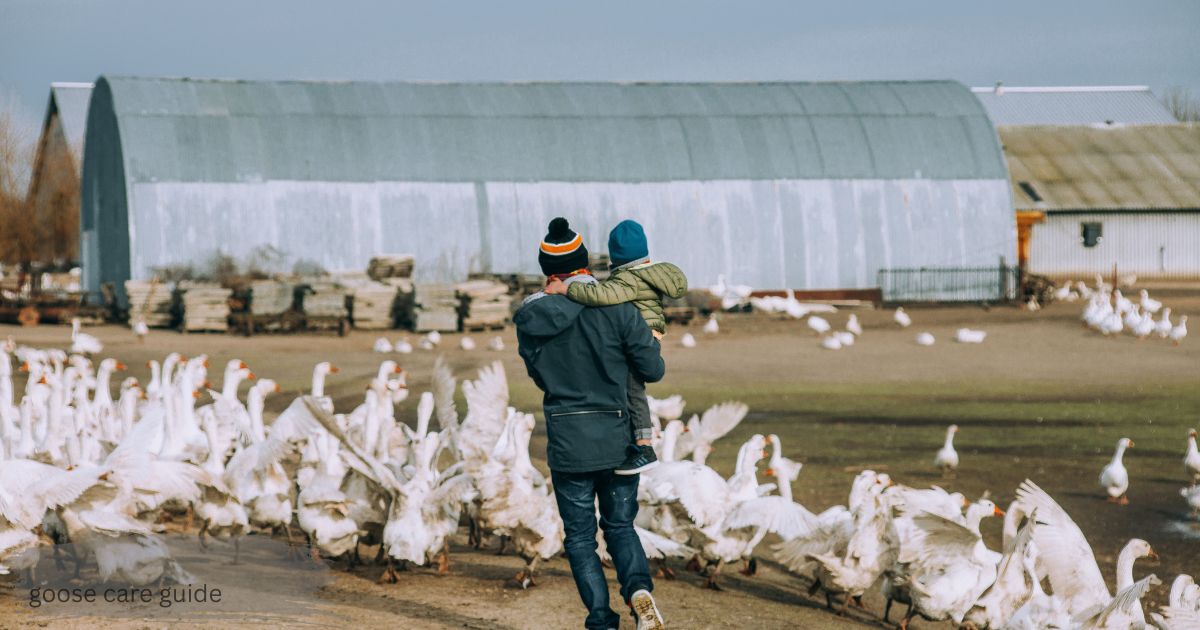
Many people ask whether geese can share space with chickens, and the answer depends on careful management. Geese can live near chickens and ducks and often warn the flock about danger, but they should have their own sleeping area. From February the breeding season begins, and ganders can turn hostile toward smaller birds. Bantam chickens and ducklings face the highest risk. Give each species its own house, share the daytime yard only when you can supervise, and keep feeders separate.
Health Checks, Eggs and Daily Routine
A simple routine keeps small problems from becoming big ones. Each morning, let the birds out, refresh the water and look at posture, appetite, droppings and walking. Check feet and bills for injuries. Handle birds gently during the yearly molt because new pin feathers are tender, and offer extra protein to help feathers grow back. Geese lay seasonally, mostly in spring, and the large rich eggs are worth the wait. Goslings can be raised by a broody hen or goose, but only if the mother accepts them. Every evening, count your flock and lock the door. Any goose care guide for beginners should treat this habit as the foundation.
Conclusion
Geese reward patient keepers with laughter, eggs, tidy lawns and a loyal flock that greets you at the gate. The basics are simple: keep them in pairs or groups, give them a dry and predator proof home, feed them balanced food and fresh greens, and provide clean water every day. Prepare early for winter, respect local bylaws and never treat geese like chickens. If you follow this goose care guide and adjust it to your own land, your flock will stay healthy for many seasons.
FAQs
How do I keep geese from flying away?
Most heavy domestic breeds cannot fly far, but lighter birds can. Trim the flight feathers of one wing once a year after molt, and give them safe fencing, food, water and companions so they have no reason to leave.
How can I keep geese with chickens safely?
Give geese their own house and share only supervised daytime space. Watch the mating season closely, protect small birds and keep feeders apart. Any goose care guide will tell you that separate housing prevents most fights.
What size goose enclosure do geese need?
Plan around six to eight square feet inside the house per goose, plus a much larger fenced run with strong mesh, dry ground and shade.
What are the pros and cons of keeping geese?
Pros include grazing, guarding instincts, rich eggs and strong personalities, while cons include noise, mess, seasonal aggression and winter housing needs. A complete goose care guide helps you weigh both sides.
