
A Bingo card is one of the simplest game tools ever made, yet it keeps millions of people entertained every week. Whether you play at a community hall, in a classroom, or at a family gathering, the card is the heart of the game. This guide explains how it works, how to choose the right one, and how to use it well. By the end, you will know exactly how to get more fun from every round.
What Is a Bingo Card?
A Bingo card is a printed or digital grid filled with numbers, words, or pictures that players mark as items are called out. The classic version has five rows and five columns, which creates twenty five squares. The center square is usually free, so players only need to match twenty-four items. This simple layout makes the game easy to learn for children and adults alike. Because the rules are so clear, almost anyone can join within minutes.
A Short History of the Game
The game traces back to an Italian lottery from the sixteenth century, which later spread across Europe. In the 1920s, a toy salesman in America watched people play a similar game at a carnival and began selling it to friends. A mathematics professor then helped create thousands of unique layouts so that two players would rarely share the same winner. Since then, the game has grown into a worldwide pastime with both paper and online versions.
The Layout of a Standard Bingo Card
Each column on a traditional card carries one letter from the word BINGO at the top. The B column holds numbers from one to fifteen, the I column holds sixteen to thirty, and so on until the O column ends at seventy-five. This range system keeps the game fair and organized. Players can quickly scan the correct column when a caller announces a letter and number together. The structure also helps new players learn faster.
Types of Bingo Card Formats
Not every game sheet looks the same, and the format you pick changes the whole experience. The seventy-five ball style uses a five by five grid, while the ninety ball style uses a nine by three grid popular in the United Kingdom and Australia. There are also picture versions for young children and themed versions for holidays. Choosing the right format ensures everyone enjoys the game at their own level.
Winning Patterns You Should Know
Winning is not limited to a single straight line. Common patterns include a full row, a full column, a diagonal, four corners, and a blackout where every square is filled. Some groups invent shapes such as letters, hearts, or stars to keep things exciting. Before the game starts, the caller should announce the pattern clearly. This avoids confusion and prevents disagreements when someone shouts that they have won.
Choosing the Right Option for Your Group
Think about who will be playing before you pick a Bingo card. Young children do better with large pictures and fewer squares, while seniors often prefer bigger print and clear contrast. Competitive groups may enjoy blackout rounds that last longer. Keep the number of players in mind too, since larger crowds need more unique layouts to avoid multiple winners at once. Printable and Digital Options
Today you can choose between paper sheets and digital screens. Printable sheets are cheap, easy to share, and perfect for events where phones are not allowed. Digital versions automatically mark called items and check for winners, which saves effort for the host. Many players enjoy mixing both styles depending on the occasion. Whichever route you take, make sure the text is large enough to read comfortably.
Making Your Own Bingo Card
Creating a custom Bingo card is easier than most people expect. Start by deciding on a theme, such as movies, travel, or classroom vocabulary. Next, list at least twenty four items and place them randomly in a grid so that no two sheets match. Free online tools and simple word processors can handle the layout in minutes. Finally, print enough copies for everyone and keep a master list for the caller.
Using Bingo in the Classroom
Teachers love this game because it turns revision into play. Squares can contain spelling words, math answers, historical dates, or science terms. Students listen carefully to clues and mark the matching answer, which builds focus and memory. A Bingo card made for learning also encourages quiet teamwork when students play in pairs. The lively atmosphere helps shy learners participate without pressure.
Bingo Ideas for Parties and Events
Event hosts can add a creative twist by building themed games. Baby showers, office gatherings, and holiday parties all work well with custom squares such as funny phrases or expected moments. Guests mingle to complete their rows, which breaks the ice naturally. Small prizes like candy or gift cards add excitement without costing much. The game fits almost any budget and group size.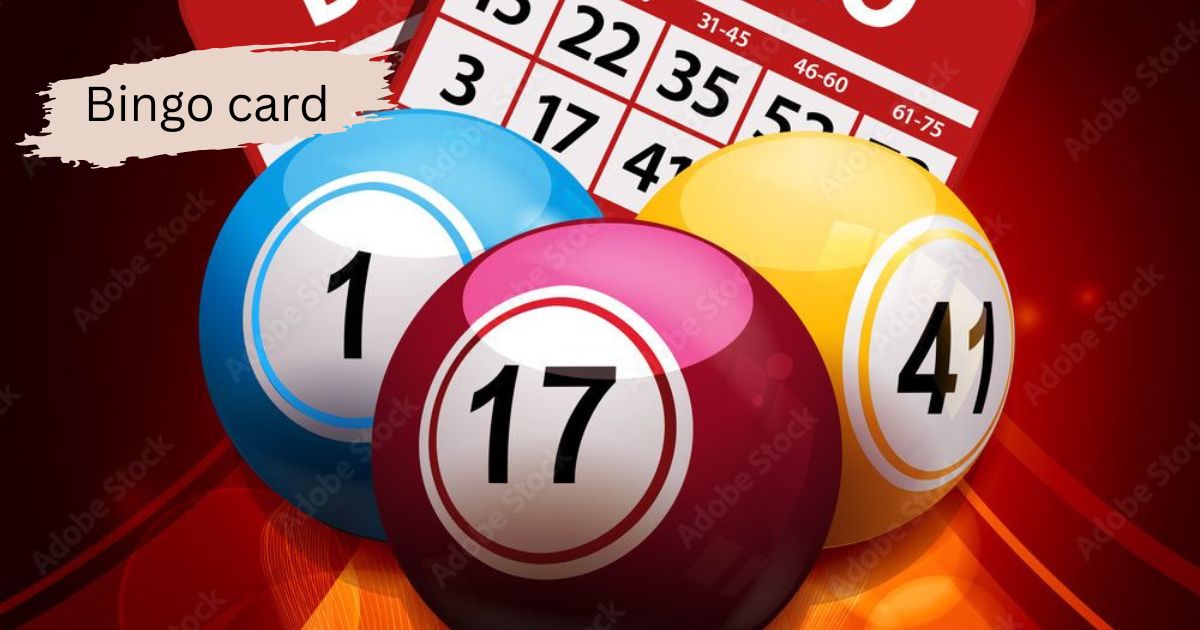
Bingo Card Tips for Winning More Often
Luck decides the numbers, but good habits help you avoid missing a win. Play only as many sheets as you can track comfortably, since too many leads to mistakes. Use a bright dauber or marker so that filled squares stand out. Stay focused on the caller and double check each number before marking. Calm attention often beats rushing, especially in fast rounds.
Common Mistakes to Avoid
Many beginners lose chances through small errors. They mark a number too early, forget the free space, or stop listening during busy rounds. Others do not check the winning pattern and call out too soon. Reviewing the rules briefly before every game solves most of these problems. Good habits make the game smoother for everyone.
Conclusion
A Bingo card may look simple, but it offers endless variety for learning, bonding, and entertainment. By understanding its layout, formats, and patterns, you can pick or create the perfect one for any group. Add a few smart habits and clear rules, and every round becomes more enjoyable. Start with a simple design today and see how quickly the fun grows.
FAQs
What is a Bingo card?
It is a grid of numbers, words, or pictures that players mark during a game until they complete a winning pattern.
How many squares are on a standard card?
A standard seventy-five ball card has twenty-five squares, including one free center space.
Can I make my own card at home?
Yes, list at least twenty-four items, arrange them randomly in a grid, and print as many copies as you need.
Are digital versions as good as paper ones?
They are equally fun and can mark items automatically, while paper works better for events without screens.
