Learn how double wides work, what they cost, and how to finance one. Discover the simple manufactured home tips that help you buy with confidence.
Alt text:
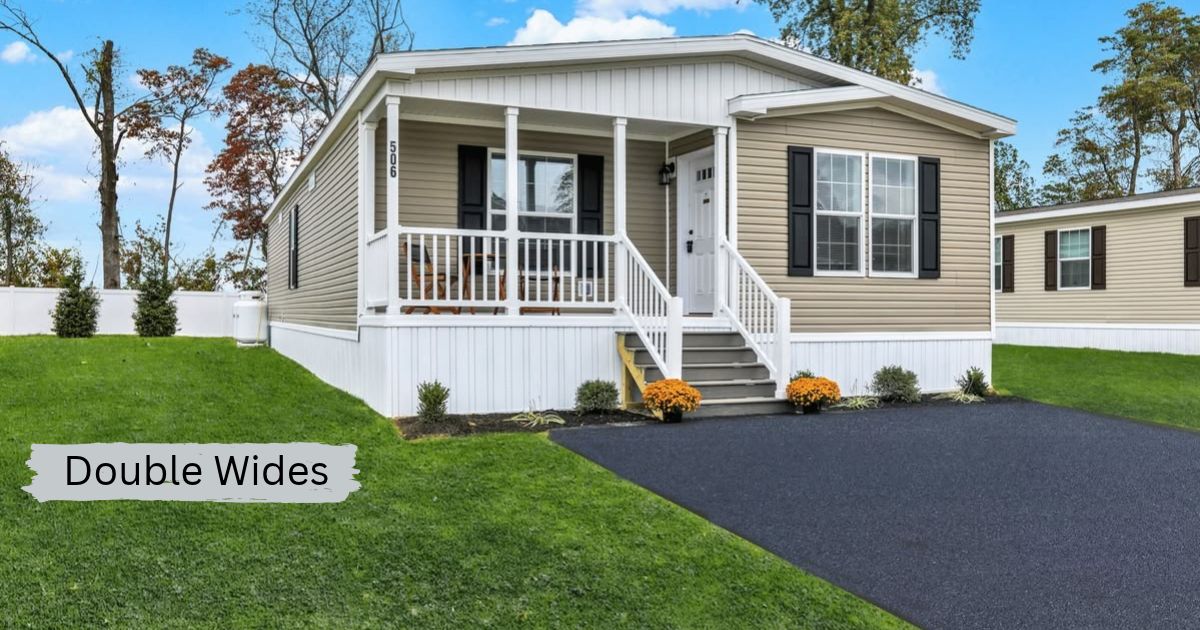
Double wides: a tan double wide manufactured home with a white front porch, black shutters, orange mums and a fresh asphalt driveway beside a green lawn.
Alt text 2:
Double wides: a beige double wide manufactured home with brown shutters, bay windows, an oval-glass front door and concrete steps, with a small tree and mulched garden beds on a green lawn.
7 Powerful Facts About Double Wides Every Buyer Should Know
Double wides are manufactured homes built in two separate sections inside a factory. Each section travels to your lot on its own, and crews join them together on a permanent foundation. The result feels much closer to a traditional house than a single section home does. Many families choose this style because it offers more living space for a lower price, and the building process is faster than a site-built house.
What Makes Double Wides Different From Single Wides
A single wide is usually about 14 to 18 feet across, while a double is roughly twice that width once the two halves are joined. This extra width allows open floor plans, larger kitchens, and roomier bedrooms. Because of that, the home feels less like a trailer and more like a ranch style house. Buyers often notice the difference the moment they step inside. Another difference is the roofline. Most double units use a pitched roof with real shingles, and many offer porches, vaulted ceilings, or attached garages. These details help the home blend into the neighbourhood and hold its value better over time. Lenders also tend to view larger multi-section homes more favourably than smaller units.
How Much Do Double Wides Cost
Prices vary by region, size, and finish level, but these homes usually cost far less per square foot than a site built house. A new unit often lands in a range of $80,000 to $200,000 before land and setup. Used models can be cheaper, though their condition matters greatly. Always ask for a full price list that includes delivery, installation, and any dealer fees. Hidden costs can surprise new buyers. Site preparation, utility hookups, permits, steps, and skirting all add to the final total. Setting aside an extra 10 to 20 percent of the home price is a sensible habit. With a clear budget, double wides remain one of the most affordable paths to owning a home.
Financing Options for Double Wides
Financing depends on whether the home is treated as personal property or real estate. A chattel loan covers the home alone, while a mortgage covers the home and the land together. Mortgages usually offer lower rates, but they require the home to sit on a permanent foundation. Compare several lenders carefully before you sign anything. Government backed programs can help too. FHA, VA, and USDA loans may apply when the home meets their construction and foundation standards. A strong credit score and a steady down payment will improve your terms. Ask each lender how many double wides they have financed before, since experience makes the approval process smoother.
Choosing the Right Land and Foundation
Land is half of the decision. Check zoning rules first, because some areas limit manufactured housing or require a minimum square footage. Make sure water, power, and septic or sewer access are available on the lot. A good survey can save you from costly mistakes after the purchase. The foundation matters just as much. A permanent foundation, such as a concrete slab or a crawl space, improves safety and loan eligibility. It also helps the home keep its value for many years. Hire a licensed installer who follows local codes for double wides, and ask to see proof of past installations.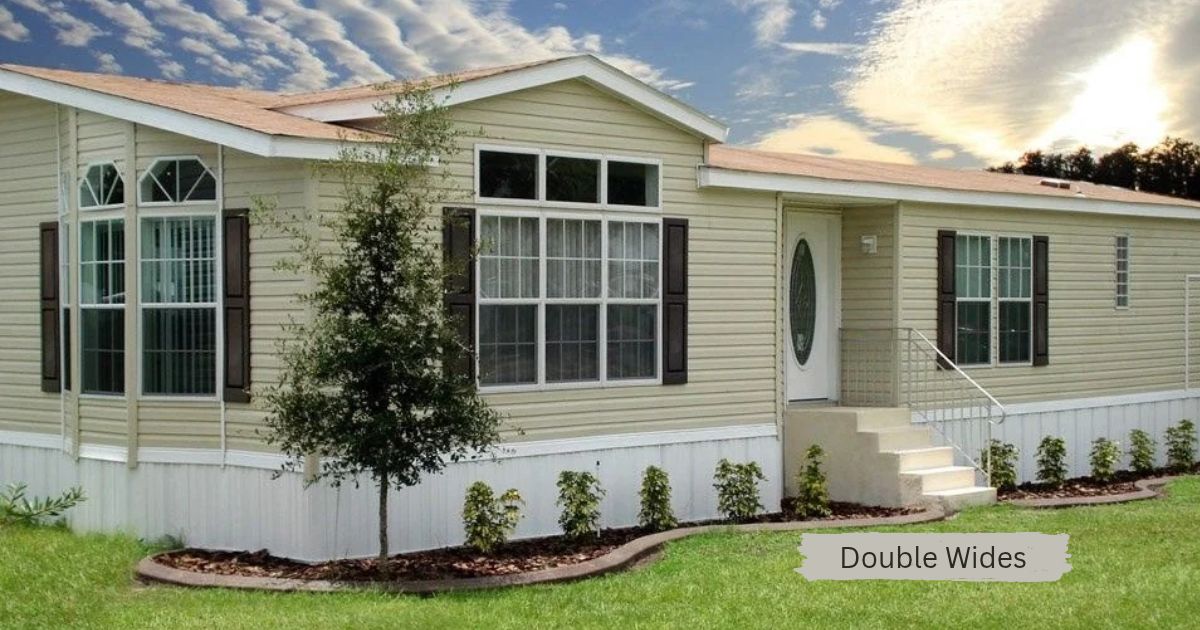
Pros and Cons of Owning Double Wides
The biggest advantage is affordability, followed by a quick construction time. Factory building means fewer weather delays and more consistent quality control. Energy efficient windows, insulation, and appliances are now common options. Owners also enjoy plenty of room to customize layouts and finishes.There are drawbacks to consider as well. Depreciation can be faster if the home sits on rented land, and some insurers charge higher premiums. Resale may take longer in areas with strict zoning rules. Weighing these points honestly helps you decide if double wides fit your long term goals.
Tips for Maintaining Double Wides
Regular care keeps the home comfortable and protects its value. Inspect the roof, seams, and skirting twice a year for leaks or damage. Keep gutters clean and the ground sloping away from the foundation. Small repairs done early prevent large bills later. Pay attention to the marriage line where the two sections meet. Sealing gaps and checking for floor movement keeps drafts and moisture out of the home. Schedule a yearly inspection with a qualified technician if you are unsure what to look for. Owners who stay consistent can enjoy their double wides for decades.
Conclusion
A manufactured home with two joined sections offers space, comfort, and savings that many buyers find hard to match. By planning your budget, choosing the right lender, and preparing land and foundation properly, you protect your investment from the start. Regular maintenance keeps the home safe and valuable for years to come. Take your time, compare options, and buy with confidence.
FAQs
Are double wide homes cheaper than traditional houses?
Yes, they usually cost much less per square foot because they are built in a factory with lower labour and material costs.
How long do double wide homes last?
With a proper foundation and regular maintenance, a well built double wide can last 30 to 55 years or more.
Can I get a mortgage for a double wide home?
Yes, many lenders offer mortgages, as well as FHA, VA, and USDA options, when the home is on a permanent foundation.
How wide is a double wide home?
Most are about 24 to 36 feet wide once the two sections are joined, with lengths that vary by model.
