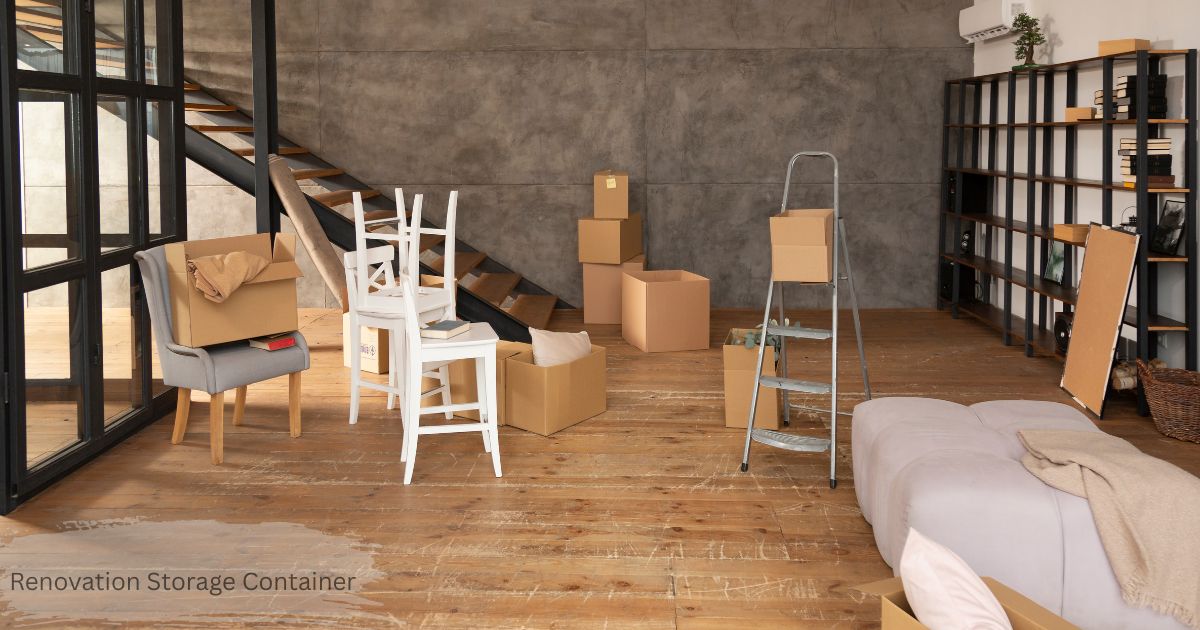
A renovation storage container is a weatherproof steel unit delivered to your driveway so you can pack up furniture and belongings during a remodel, without hauling anything to a facility yourself.
Most Canadian and American homeowners rent one for anywhere from a few weeks to several months, load it at their own pace, and either keep it on-site or have it moved to a secure warehouse once packing is done. It solves two problems at once: your things stay protected from dust and damage, and your contractor gets a clear floor to work on.
How Does the Process Actually Work?
The process is simpler than most people expect. A company drops the unit off using a level-loading trailer, so your driveway or lawn isn’t damaged in the process. You load it whenever you have time, evenings, weekends, in short bursts, whatever fits your schedule. Once you’re finished, you either keep the unit parked on your property for the length of the project or call the provider to pick it up and store it off-site.
We’ve seen homeowners in Ontario keep a container in the driveway for six weeks during a kitchen gut, then have it hauled away the same afternoon the new cabinets went in. That flexibility is really the whole point, and it’s the main reason this option keeps growing in popularity across suburban neighbourhoods where driveways have room to spare.
What Sizes Does a Renovation Storage Container Come In?
Sizing wrong is the most common mistake we see, and it’s an easy one to avoid once you understand the general breakdown.
Small Units (8 to 10 Feet)
These suit a single bedroom, a home office, or a contractor’s tools and materials. A small condo reno in Toronto rarely needs more than this, and it’s usually the cheapest option on a provider’s list.
Mid-Size Units (12 to 16 Feet)
This is the size most Canadian households end up renting. A 16-foot renovation storage container typically holds the contents of a two-bedroom home, including a sofa, dining set, and boxed kitchenware, with a bit of room left over for seasonal items and a few awkwardly shaped pieces like a headboard or a treadmill.
Large Units (20 to 40 Feet)
Whole-home renovations, or a move combined with a reno, usually call for a 20-footer at minimum. A 40-foot unit is closer to commercial territory and is more common on larger job sites than in residential driveways, so most homeowners never actually need one.
How Much Does It Cost in Canada?
The cost of a renovation storage container depends on size, rental length, and how far the delivery truck has to travel. A mid-size unit generally runs somewhere between $180 and $350 a month in most Canadian cities, with delivery and pickup billed separately, often another $100 to $250 per trip.
Off-site storage at a warehouse usually adds a bit more, but it also adds climate control and monitored security, which matters if you’re storing hardwood furniture through a humid summer. American renters see broadly similar pricing patterns, though local delivery fees can shift the total noticeably depending on how far you are from a depot. Ask for a written quote before booking.
A verbal estimate over the phone almost never matches the final invoice once fuel surcharges, taxes, and insurance are added, and that gap catches a lot of first-time renters off guard.
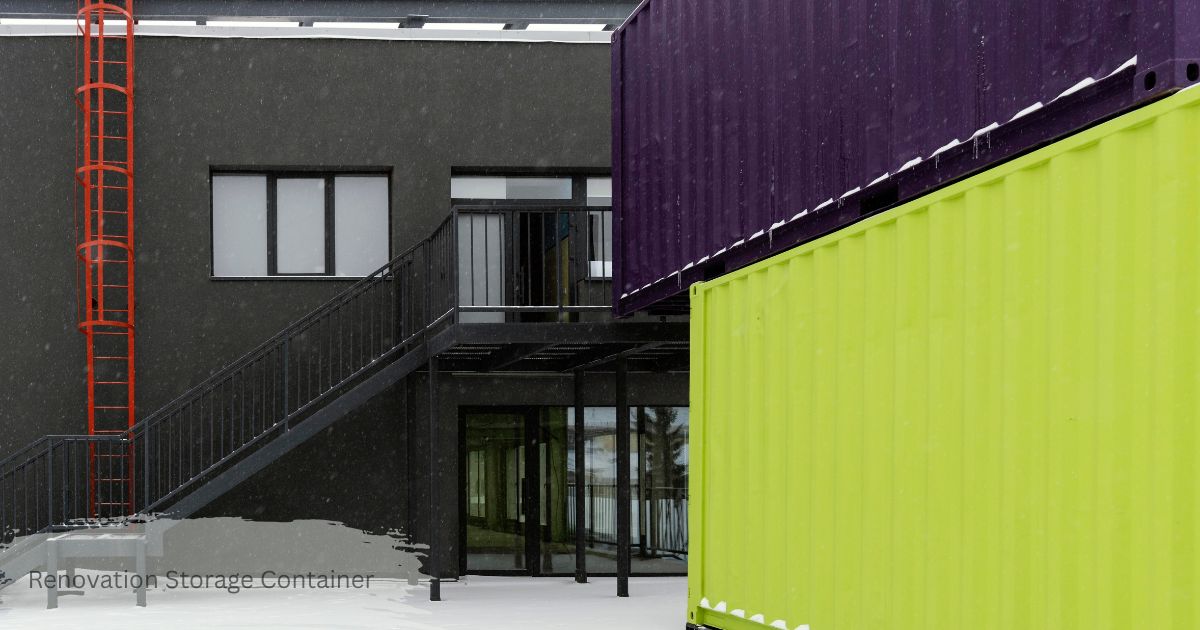
Portable Container vs Traditional Self-Storage: Which Is Better?
The honest answer is that it depends on how much lifting you want to do yourself. A traditional self-storage unit is often a touch cheaper per month, but you’re renting a truck, loading it, driving across town, and unloading again, twice. A renovation storage container skips that entirely because it comes to you. If your renovation is short and your belongings are minimal, self-storage might genuinely be the better deal. If you’re managing a full-home renovation with a houseful of furniture, the convenience usually outweighs the modest price difference, and the time you save loading only once tends to matter more than people expect going in.
Why Do Homeowners and Contractors Trust This Option During a Reno?
Trust in a renovation storage container generally comes down to three things: how it handles weather, how secure it is, and whether your belongings are actually covered if something goes wrong.
Weather Protection
Steel construction handles rain, snow, and temperature swings far better than a tarp in the backyard or a stack of boxes in the garage. Most units are sealed against rodents and ventilated to prevent mould, which matters over a Canadian winter when a garage can swing from damp to freezing within a week.
Security
You hold the key on an on-site rental, so access isn’t a hassle, and off-site facilities typically add gated entry and cameras for anything particularly valuable. A locked steel box in a driveway is a far better deterrent than an open garage, and a few providers will supply a heavier padlock or a lock box at no extra charge if you simply ask.
Insurance
This one is worth a real conversation. Some home policies exclude belongings once they leave the house, so it’s worth calling your insurer before assuming you’re covered, rather than finding out the hard way after a claim. Ask specifically about coverage limits for items in transit and while parked outside, since those two situations are sometimes treated differently on the same policy.
FAQ
How long can I keep the unit on my property?
Most providers rent month to month, so you can keep a container for as little as a few weeks or as long as your project runs. Some municipalities do cap how long a unit can sit in a driveway without a permit, so it’s worth a quick call to your local bylaw office before committing to a long stay.
What size renovation storage container do I need for a kitchen renovation?
A mid-size unit, roughly 12 to 16 feet, is usually enough for a kitchen and adjoining living space. If you’re renovating the whole main floor at once, size up to a 20-footer to avoid a second delivery later.
Is it safe during Canadian winters?
Generally, yes. Quality units are steel, sealed, and ventilated, which handles cold and damp reasonably well. For anything sensitive to temperature swings, like wood furniture or electronics, a climate-controlled off-site facility is the safer bet over a long winter.
Can I have the container moved to storage after I load it?
Most providers offer exactly this. You pack it on your property, then call for pickup once you’re done, and they either move it to a secure facility or deliver it straight to a new address if you’re relocating.
