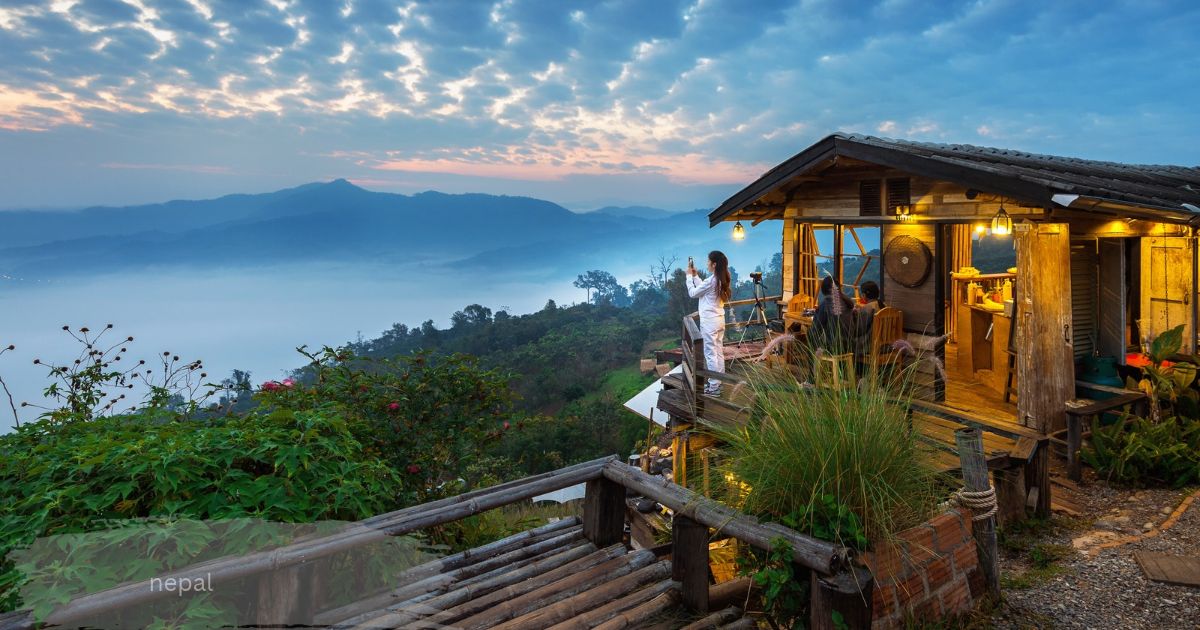
Picture a cold morning in Toronto or Vancouver, a hot cup of tea in your hand, and a photo of white peaks glowing above the clouds on your screen. That daydream is exactly why so many travellers search for Nepal each year. The country offers friendly villages, old temples, rich traditions and mountain paths that stay in your mind for life. It has also faced a painful season lately, so any plan should begin with current facts. Here is a clear, practical guide for Canadians who want an exciting adventure without ignoring safety.
The Pull of Giant Peaks on Canadian Wanderers
People who grow up near the Rockies, the Coast Mountains or the Laurentians often feel a special bond with high places, and the Himalayas stretch that feeling to a different scale. A single trekking day can move from terraced farms to pine and rhododendron forest and finally to views of glaciers. The land holds eight of the fourteen mountains taller than eight thousand metres, and Everest reaches roughly 8,849 metres along the Tibetan border. Beyond the summits, visitors seek peaceful monasteries, crowded markets and Lumbini, where the Buddha is believed to have been born. First timers often say the kindness of strangers stayed with them longest.
How the Land Changes From South to North
Think of the country as three long bands lying side by side, each with its own temperature and pace.
Flatlands Where Every Journey Starts
In the south, the warm Terai plain is full of farmland and jungle reserves. Just north of it, rolling hills cradle the capital, Kathmandu, and the lakeside town of Pokhara, which are the two gateways for most visitors.
Glaciers, Ridges and Remote Mountain Hamlets
Higher still, narrow valleys climb toward glaciers, and weather can flip from sunshine to storm in an hour. A sensible itinerary therefore keeps a couple of free days for delays.
Reading Ottawa’s Latest Caution Message Properly
Right now, Canada tells travellers to use a high degree of caution across the country, and it adds a tougher warning against non essential travel to the Rasuwa and Nuwakot districts. Back in December 2025 the message was stricter, asking Canadians to avoid non essential travel because the situation could worsen suddenly and consular help was limited. Because wording changes quickly, open the official advisory page again shortly before you fly. Registering with the Registration of Canadians Abroad service is also wise. Keep in mind that dual citizenship is not legally recognized there, which can matter for families with roots in the region.
When Monsoon Water Turned Deadly
About a month ago, massive floods swept through river valleys across Nepal. Reports say the death toll passed 900, and thousands were still unaccounted for a month later. Rebuilding after the Bhotekoshi disaster may cost as much as five billion dollars by early estimates, and India promised 654 megawatts of power after hydropower plants were damaged. Visitors should also know that tourism has slowed, with one report saying the opening of peak season still feels like a lockdown in some areas. Because roads and paths can shut without warning, follow recovery updates daily and keep your plans flexible. Thoughtful tourism means staying kind and quiet around families who are mourning.
Preparing Your Body for Thin Mountain Air
Hiking at height rewards careful planning, and the recent avalanche at Himlung Himal, which left several people missing, shows how fast things can change.
Slow Climbing for Easier Breathing
Some areas lie above 2,400 metres, where acute mountain sickness can become dangerous. Raise your sleeping altitude gradually, drink lots of water, schedule rest days and head down if headaches get worse. Trekkers can suffer frostbite too.
Finding a Reliable Local Trail Companion
Book a licensed guide through a company that offers a written plan, honest prices and a working emergency contact before you take your first step.
Fake Air Rescues and Simple Ways to Stay Safe
In April, Global Affairs Canada refreshed its advice to warn about fake helicopter and rescue insurance scams, which have drained roughly 20 million dollars from visitors. Real evacuations from remote places exist, but they can stall if a helicopter operator is not paid at once, an insurer stays silent or phone signal is weak. Pick insurance that plainly includes helicopter evacuation, save the policy number on paper, and call your insurer straight after any accident or illness. Treat any guide who urges a needless helicopter ride with suspicion.
Shots and Pills to Sort Out Early
Make sure routine vaccines, including measles and polio, are current, then visit a travel clinic at least six weeks before leaving to discuss Japanese encephalitis protection and malaria tablets. Canada has no vaccine or medicine that prevents dengue, so repellent and covered arms and legs are your best defence. Stick to hot, freshly cooked food and sealed bottled water, and wash your hands often. Away from the Kathmandu Valley and Pokhara, hospitals and clinics fall below Canadian standards.
Temple Manners and Festival Season Tips
Dashain, the largest celebration of the year, normally lands in October, when families head home and transport fills up, so reserve seats early and allow extra time on the road. At temples, cover your shoulders and knees, remove shoes before entering shrines and homes, circle stupas clockwise and offer or accept things with your right hand. A friendly Namaste works wonders. Good etiquette is noticed and appreciated everywhere you go.
What to Carry, How to Pay and Which Way to Fly
Expect at least one stop on your flights from Canada, commonly in the Gulf, India or Southeast Asia, which can turn the trip into two travel days. Bring warm layers, a rain shell, boots you have already worn in, a water purifier, a power bank and a universal adapter. Small notes are handy in mountain villages because cash machines cluster in cities. Firearms are banned from entry into the country, and it is smart to ask your airline about drones or other special gear.
Your Month by Month Preparation Calendar
The best views usually come in autumn and again in spring. Weather officials expected the monsoon to leave around October 2, and 648 climbers had already collected permits for the autumn season, which shows how busy trails will be. Three months ahead, check the advisory, buy insurance and book a clinic visit. One month ahead, confirm that your trail and lodges are open after the floods. In the last week, send your plan to relatives and pack paper copies of key documents.
Conclusion
Nepal rewards travellers who arrive with patience and preparation. Canada urges a high degree of caution, the floods have reshaped conditions, and rescue fraud is a genuine threat, yet many visitors still go home safe and full of stories. Follow official updates, choose proper cover, climb slowly and show respect in every village. If you do, the memories of this journey can outlast any photo, and the whole trip will have been worth planning.
FAQs
Why is the Nepal flag shaped like two triangles?
It is the only national flag on earth that is not a four sided rectangle. Two crimson triangles sit one above the other with a blue edge, and the shape is often linked to the twin peaks of the Himalayas and to two major religions. The upper triangle shows a white moon and the lower one shows a white sun. Crimson represents bravery and the national flower, while blue represents peace.
How long and wide is Nepal in km?
The country covers about 147,000 square kilometres. It runs roughly 800 kilometres from east to west and is only around 200 kilometres wide on average from south to north, so it looks like a thin ribbon squeezed between India and China.
What caused the deadly floods in Nepal this year?
Intense rain combined with glacial flooding in the mountains caused the disaster about a month ago, and scientists say climate change played a major role. The death toll rose past 900, thousands were reported missing, and search, rescue and rebuilding work is still going on.
How large is the Nepal population in 2026?
The 2021 census counted about 29 million residents, and today’s estimates sit close to 30 million. Most families live in the hills and southern plains, while the high mountain districts have far fewer people.
