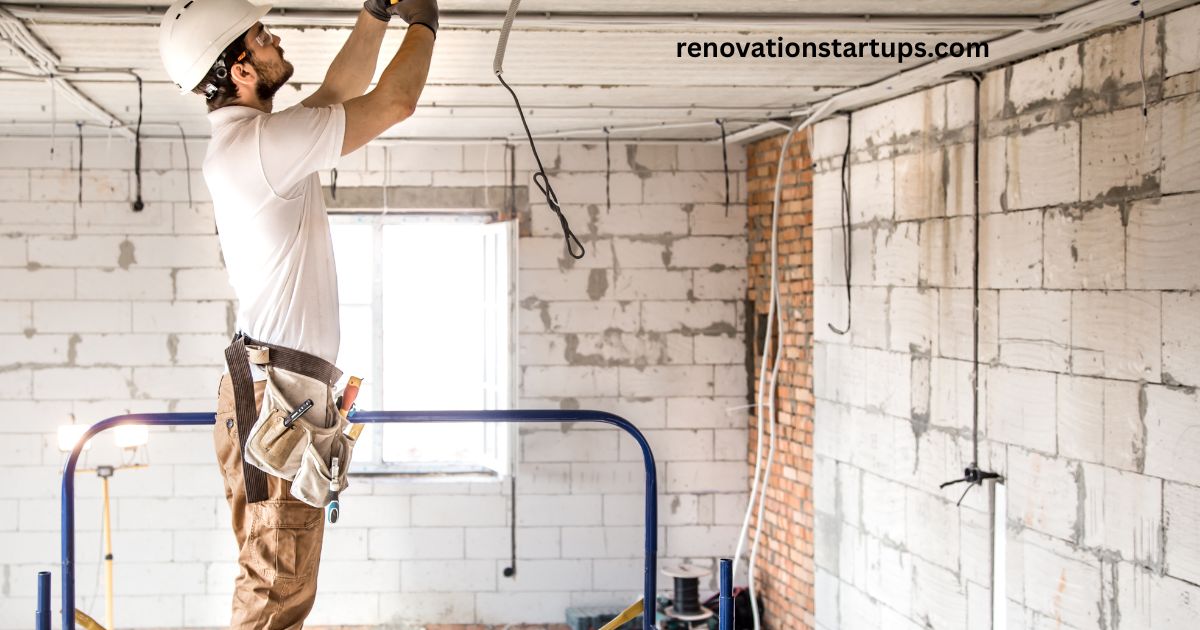
Renovating an apartment in Canada typically costs between $8,000 for a cosmetic refresh and $80,000 or more for a full gut of a one-bedroom unit, and the work usually takes six to fourteen weeks once building approvals are sorted.
The price and timeline depend on three things: whether plumbing or electrical is moving, whether the building requires a renovation agreement before work starts, and how far behind schedule the trades are that month. Most delays come from paperwork, not construction, which surprises a lot of first-time owners.
How Much Does an Apartment Renovation Cost?
Cost breaks into three rough tiers, and knowing which one applies to your unit saves a lot of guesswork later. Every quote we’ve reviewed lately, whether for a downtown Toronto condo or a Halifax walk-up, falls somewhere in these bands.
Cosmetic Refresh
A cosmetic refresh, paint, hardware, lighting, and a new backsplash, usually lands between $8,000 and $18,000 in most Canadian cities. It works when the layout already functions and nothing structural needs to change, and it’s the tier where a homeowner can realistically do half the labour themselves.
Mid-Range Remodel
A mid-range job replacing cabinets, counters, flooring, and fixtures without moving services generally runs $25,000 to $45,000. This tier is where most owner-occupied units land, since it improves function without triggering a full engineering review, though appliance upgrades can push the number higher than most people expect.
Full Gut Renovation
A full apartment renovation, new layout, relocated plumbing, opened walls, and premium finishes, can climb past $80,000 in cities like Toronto or Vancouver, largely because of labour rates and condo logistics rather than materials alone. In our experience quoting jobs in older Toronto high-rises, the biggest cost swing comes from whether the building makes you hire a licensed engineer to confirm a wall isn’t load-bearing, a step some condo boards require even for a half-wall removal. That single report can add $1,500 to $3,000 before a single tile is ordered.
How Long Does a Renovation Start to Finish?
A straightforward project runs six to fourteen weeks from approved drawings to move-in. That range covers three phases: design and permitting (two to four weeks), material lead times (two to ten weeks, depending on cabinetry and stone), and on-site work (three to six weeks). Custom stone counters are usually the single slowest item on the whole schedule.
Condo buildings add friction a house doesn’t have. Service elevator bookings, protected work hours, and debris removal rules can stretch even a small job by a week or two. We’ve seen a two-week bathroom job stretch to five weeks because the building only allowed deliveries between 9 a.m. and 11 a.m. on weekdays.
What Permits Does an Apartment Renovation Need?
Permit rules depend on scope, not on what you call the project. A cosmetic swap of cabinets and countertops rarely needs a municipal permit anywhere in Canada. Moving plumbing, changing electrical circuits, or altering a wall almost always does, and your provincial building code applies regardless of whether the unit is rented or owned.
Condo and co-op boards layer their own requirements on top of municipal rules. Most ask for:
- A signed renovation agreement or application
- Proof of contractor liability insurance, typically two million dollars in coverage
- Drawings for anything touching plumbing, electrical, or walls
- A refundable damage deposit, often $500 to $2,500
Skipping board approval is one of the more common regrets we hear about after the fact, because a board can legally halt work mid-project, and reversing finished drywall or tile is far costlier than waiting three extra weeks for a signature. One Ottawa building we worked with fined an owner $400 a week until the paperwork caught up, on top of the renovation cost itself.
Best Layout Changes for a Small Apartment
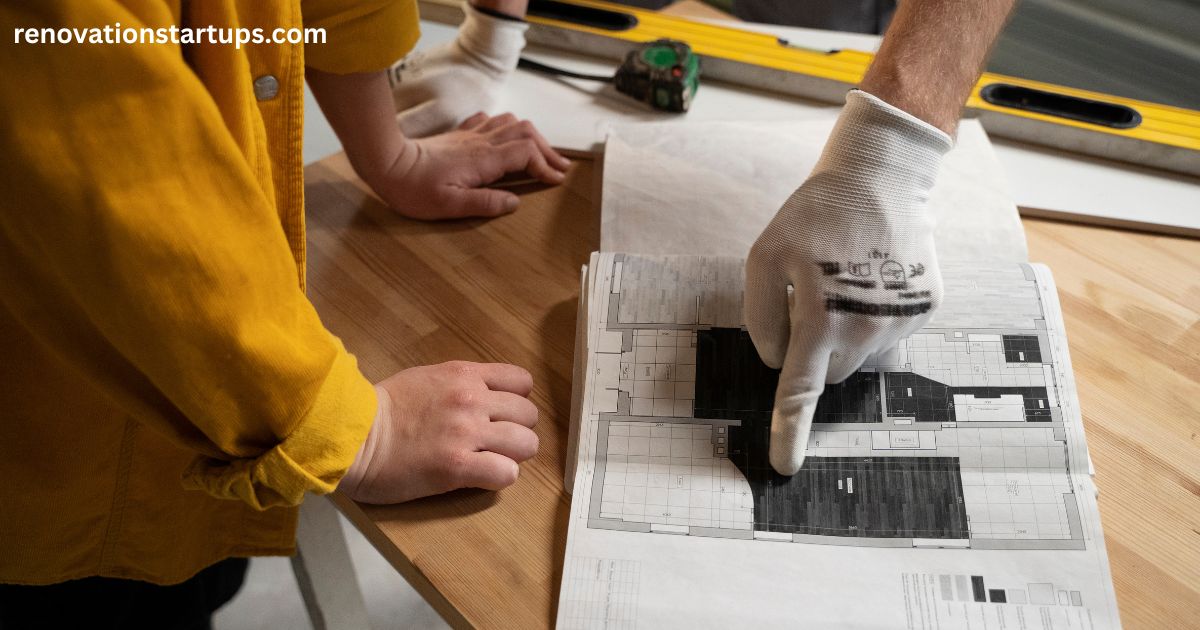
Small units gain more from smarter layout than from expensive finishes. This is the part of an apartment renovation homeowners tend to underestimate, since four moves consistently deliver the most noticeable improvement.
Peninsula Over Island
A fixed island needs open floor space on every side, which most apartments simply don’t have. A peninsula gives extra counter and seating without demanding that clearance, and it’s one of the most requested changes we see in units under 700 square feet.
Floor-to-Ceiling Cabinetry
Running upper cabinets to the ceiling, instead of leaving a dusty gap above them, adds real storage and makes the room look taller. It’s a small change with an outsized visual effect in a compact kitchen, and it typically adds only a few hundred dollars over standard-height cabinets.
Consistent Flooring Between Rooms
Carrying one flooring material from the kitchen into the living area removes a visual break that makes small apartments feel chopped up. This costs more upfront than mismatched flooring but tends to make the biggest difference in how large a space feels once the work is finished.
Drawer Storage Over Lower Cabinets
Deep drawers near the stove hold pots and lids more efficiently than a shelf you have to kneel in front of, and most cabinet makers now charge only a modest upcharge to swap standard lower shelves for full-extension drawers throughout the run.
DIY vs Professional Which Approach Fits You?
DIY suits cosmetic work: painting, hardware swaps, lighting, and peel-and-stick backsplash. These changes are reversible, low-risk, and don’t touch anything a building would need to approve.
Professional installation matters once plumbing, electrical, or structural elements are involved, not just for code compliance but for resale and insurance reasons. An uninspected DIY electrical change can complicate a home insurance claim later, and some provinces require a licensed electrician to pull the permit regardless of who does the physical work.
A middle path many owners choose on a mid-size apartment renovation: handle the finishes themselves, and hire a licensed contractor for anything behind the walls. This keeps costs down without creating liability gaps, and it’s the split we recommend most often to first-time renovators who still want to stay hands-on.
Frequently Asked Questions
Apartment renovation ideas
Small layout tweaks, like a peninsula instead of an island, floor-to-ceiling cabinets, and under-cabinet lighting, give the biggest visual lift for the least cost. Start with storage and flow before you touch finishes.
Apartment renovation cost
A cosmetic refresh usually runs $8,000–$18,000, a mid-range remodel $25,000–$45,000, and a full renovation can pass $80,000 once layout changes and plumbing are involved.
Apartment renovation before and after
The best transformations come from fixing storage and layout, not just swapping paint, that’s what turns a tired, cramped kitchen into a space you actually love coming home to.
Small apartment renovation ideas
Lean on deep drawers, ceiling-height cabinetry, a peninsula, and consistent flooring between rooms, these make a tight footprint feel bigger without adding a single square foot.
Apartment makeover on a budget
Paint, new hardware, peel-and-stick backsplash, lighting swaps, and command hooks refresh a rental fast, all reversible, all landlord-friendly, all easy on the wallet.
How long does it take to renovate a 2 bedroom apartment
Plan on roughly ten to sixteen weeks for a 2-bedroom apartment renovation, longer if plumbing, electrical, or condo board approvals are part of the scope.
How long does it take to renovate a 1 bedroom apartment
A 1-bedroom apartment renovation typically takes six to fourteen weeks, covering design, permitting, material lead times, and the actual construction window.
Apartment decor
Layer textiles, mirrors, plants, and warm lighting to add personality without permanent changes, small, personal touches are what finally make a rented space feel like home.
