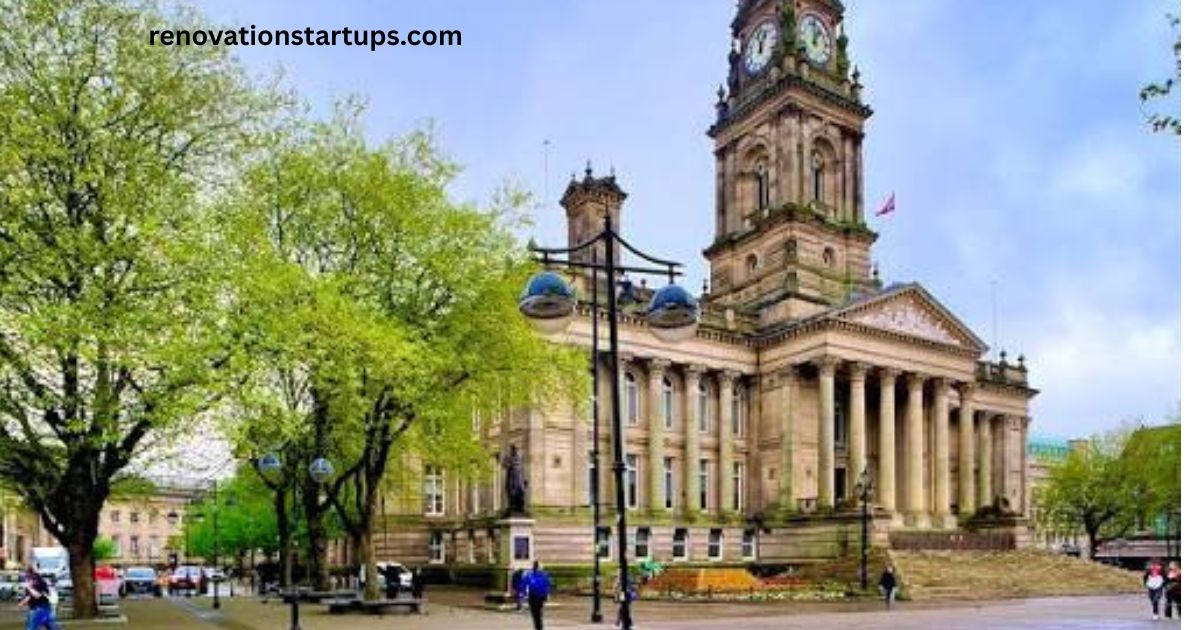
Bolton is an unincorporated community within the town of Caledon, Ontario, sitting along the Humber River roughly 50 kilometres northwest of Toronto.
With a population close to 27,000, it’s the largest urban centre in Caledon, anchored by a historic downtown core at King and Queen Streets that dates back to the 1820s.
What Is Bolton Known For?
Ask anyone in the Region of Peel what comes to mind, and downtown shopping usually tops the list. The community sits in a valley carved by the Humber River, and that geography shapes almost everything about daily life here.
We’ve walked Queen Street on a Saturday morning and noticed how the flood plain below still feels like the heart of the original village, even with modern storefronts lining both sides.
The area is also known for its film history. Twister (1996) and Four Brothers (2005) both used the downtown streets for filming, a detail longtime residents still bring up at community events. Caledon’s first Heritage Conservation District sits right here too, protecting several buildings that trace back to the mill era.
Where Is Bolton Located?
The community sits beside the Humber River, in the town of Caledon, within the Regional Municipality of Peel. Two 400-series highways sit nearby Highway 427 about 9 kilometres southeast, and Highway 400 roughly 14 kilometres east near King Road.
Farmland and the protected Oak Ridges Moraine surround the settlement on most sides, which explains why the outskirts still feel rural even though the core is dense and walkable.
Nearby Areas Worth Knowing
- Glasgow, a smaller settlement to the northwest, established in 1855 and folded into the community by 1872. It later became a summer retreat and now exists as Edelweiss Park.
- Bolton West is the newer residential and commercial section north and south of the rail line, popular with families with young kids.
- Macville is a nearby hamlet just outside the main settlement, home to one of the local elementary schools.
What Is the History of Bolton?
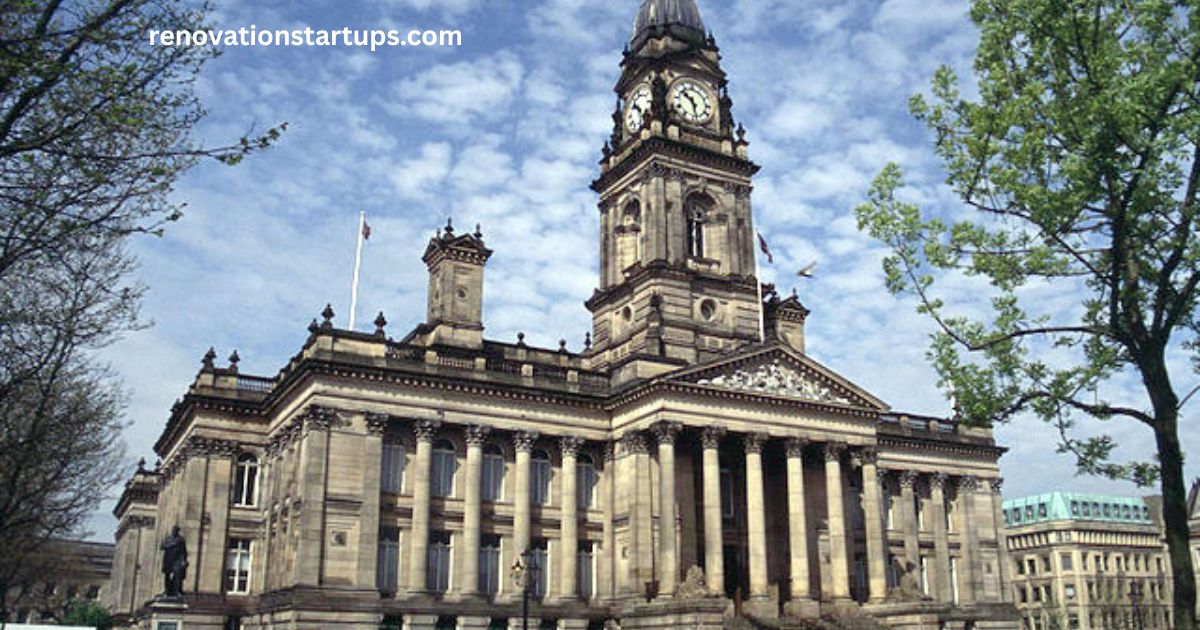
The story starts in 1821, when George Bolton bought 200 acres of land along the Humber River from surveyor James Chewett. With help from his older brother James, he dammed the river and built a water-powered flour mill that was grinding wheat by 1824.
That single mill pulled in stores, blacksmiths, and a hotel within a couple of decades by 1840, the settlement had 14 houses and a handful of trades already established.
Key Milestones
- 1822 — the flour mill construction begins, giving the settlement its original name, Bolton Mills.
- 1857 — the village reached a population of 700 within the Township of Albion.
- 1870 — the Toronto, Grey and Bruce Railway arrives, speeding up growth but also pulling some commerce toward Toronto.
- 1872 — the settlement separates from Albion Township and elects its first village council.
- 1954 — Hurricane Hazel floods the area badly, one of the worst weather events in the town’s history.
In our experience researching small Ontario towns, few communities this size have kept as many original 19th-century buildings intact. Several structures near King and Queen Streets including converted hotels and former general stores still stand today, repurposed as restaurants and shops rather than demolished.
How Do You Get Around in Bolton?
Public transit runs through Brampton Transit’s Route 41, which connects the community south along Highway 50 to York Region Transit connections at the Brampton Vaughan border. That link matters because Caledon itself doesn’t run a municipal transit system; everything routes through neighbouring municipalities.
Most residents still drive. Around 95% of commuters in the western neighbourhoods use a vehicle, and roughly two-thirds travel outside the community for work. That’s a fairly typical pattern for a satellite town near a major city; it mirrors what we’ve seen in other Greater Toronto Area commuter communities where transit hasn’t kept pace with population growth.
Transit History
Private operators tried filling the gap for years before Brampton Transit took over in May 2024. Caledon Transit Incorporated ran a trial service in 1999, and a local resident launched Métis Transit in 2006 using leased school buses. Both folded due to low ridership, and a private contractor called Voyago carried the route for years afterward at a $4.00 cash fare.
What Is Life Like in the Bolton West Neighbourhood?
Bolton West sits on the western edge of the community, split by the rail line into a commercial strip to the south and mostly residential streets to the north. It’s a family-heavy pocket 59% of households include kids, and detached homes make up 72% of the housing stock. Income spreads out fairly evenly too, with the largest single bracket landing between $100,000 and $124,999.
Schools cluster here in a way that’s genuinely useful for parents comparing options: six public schools, seven Catholic schools, and two private options, including a Montessori school and programs in French Immersion. Twelve parks serve the neighbourhood, offering everything from splash pads to ball diamonds, which explains why families with young kids keep showing up in the demographic data.
FAQ
Bolton Ontario directions
To reach Bolton, take Highway 427 north or Highway 50 through Caledon it’s about a 45-60 minute drive from Toronto depending on traffic.
Bolton Toronto
Bolton sits roughly 50 kilometres northwest of Toronto, tucked along the Humber River in the Region of Peel.
Bolton directions
Most drivers reach Bolton via Highway 427 or Highway 400, then follow Queen Street straight into the historic downtown core.
Bolton Caledon
Bolton is the largest and most populous community within the town of Caledon, anchored around King and Queen Streets.
Bolton on map
You’ll find Bolton in the Regional Municipality of Peel, sitting in a valley beside the Humber River, northwest of Toronto.
Bolton, Ontario population
The 2021 census recorded 26,795 residents across 9,158 dwellings, making Bolton Caledon’s most populous community.
Bolton Canada
Bolton is a charming Ontario community in Canada, known for its historic downtown, Humber River valley, and small-town warmth.
Bolton Landmark
The Humber Valley Heritage Trail and Dick’s Dam Park stand out as beloved landmarks, alongside the historic mill-era buildings downtown.
