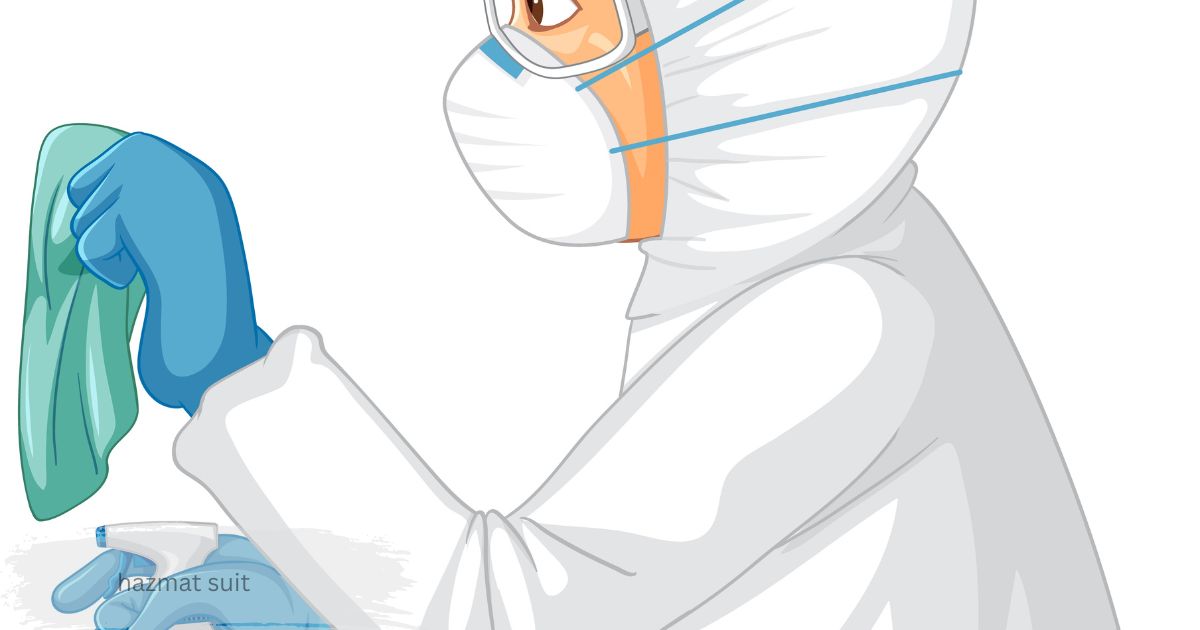
A hazmat suit is a full body protective garment that shields the wearer from dangerous substances such as toxic chemicals, infectious materials and radioactive particles. The word “hazmat” comes from “hazardous materials,” and the suit is built to create a barrier between a person and the environment around them.
In Canada industries ranging from emergency response to manufacturing rely on this gear to keep workers safe in environments that would otherwise put their health at serious risk.Without proper protective clothing, exposure to hazardous substances can cause burns, respiratory damage or long term illness.
That is why understanding how this gear works, who uses it and how to choose the right one has become a common topic for safety professionals, first responders and everyday Canadians preparing for emergencies.
Understanding the Basic Purpose of Protective Chemical Gear
The core purpose of this protective clothing is simple: to stop harmful agents from reaching the skin, eyes, lungs or clothing of the wearer. The threat could come from a chemical spill, a biological outbreak, a nuclear incident or everyday industrial hazards like corrosive liquids and airborne dust.Most designs use impermeable materials that resist penetration by liquids, gases and fine particles.
Many are paired with a self contained breathing apparatus so the wearer has a clean, filtered air supply instead of breathing in contaminated air. Firefighters, paramedics, laboratory technicians and cleanup crews depend on this combination of gear every day.
The Different Levels of Protection hazmat suit
Not every situation calls for the same level of coverage, which is why protective suits are grouped into categories based on how much protection they offer.
Level A Protection
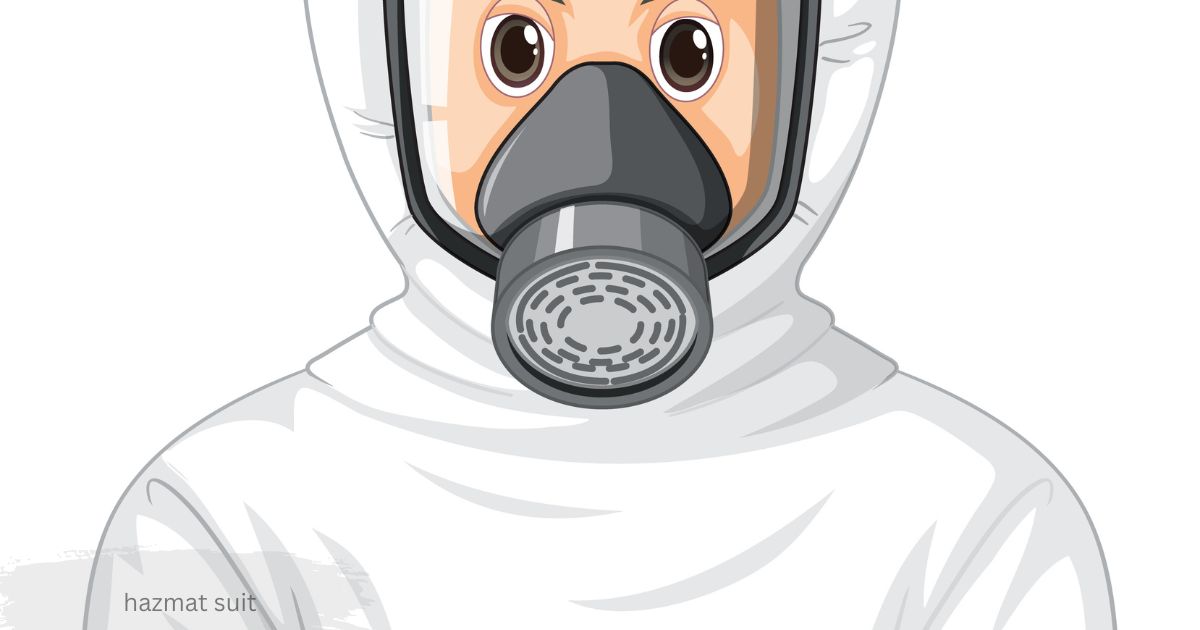
Level A represents the highest level of protection available. It involves a fully encapsulating suit covering the entire body, paired with a full facepiece breathing apparatus worn inside the garment. This setup is used when the danger involves unknown or extremely toxic vapors, gases or particles, and it typically includes chemical resistant gloves and reinforced boots to complete the seal.
Level B and Beyond
Level B protection still includes breathing apparatus, but it may be worn outside the suit rather than inside it. This level guards against splashes rather than airborne vapors, making it slightly less protective than Level A but still suitable for many hazardous situations. Level C and Level D suits offer lighter protection and are generally reserved for situations where the risk is lower or already well identified.
How Protective hazmat Suit Shield the Human Body
The science behind this equipment is based on creating a sealed barrier. Seams are taped or heat sealed, zippers are covered with protective flaps and gloves are often taped to the sleeves to prevent any gap where a hazardous substance could enter.
Boots are similarly sealed to the legs, ensuring there is no exposed skin anywhere on the body.Ventilation and temperature control also matter, since wearing a sealed garment for long periods can lead to heat exhaustion. Some advanced models include cooling systems or breathable inner layers that help regulate body temperature without compromising the protective barrier.
Materials Commonly Used in Modern Designs
The fabric used plays a huge role in determining what kind of hazards it can withstand. Common materials include:
- Tyvek, a lightweight synthetic fiber known for resisting dust and light chemical splashes
- Butyl rubber, which offers strong resistance against gases and vapors
- Neoprene, valued for its flexibility and resistance to oils and acids
- Polyethylene laminates, often used in disposable coveralls for lighter duty tasks
Manufacturers test these materials against specific chemicals to see how long the fabric holds up before breakthrough occurs, which helps buyers choose the right option for their exact use case.
Common Situations Where This Equipment Is Used
This equipment shows up in more places than most people realize. Hospitals use it during outbreaks of infectious disease to protect staff from contaminated bodily fluids. Industrial plants keep it on hand for workers handling corrosive or toxic chemicals.
Emergency response teams carry it in their vehicles so they can respond quickly to spills, leaks or unknown substances found in public spaces.Beyond professional use, interest in personal protective gear has grown among people who want to be ready for emergencies at home. Some Canadians keep a basic suit in their emergency kit alongside masks and gloves, particularly after recent global health events raised awareness about airborne illness.
Choosing the Right Suit for Your Needs
Picking the correct protective garment depends on several factors, and getting it wrong can leave a person exposed to exactly the hazard they were trying to avoid.
Fit and Sizing Considerations
A suit that fits poorly can create gaps at the wrists, ankles or neck, undermining the entire purpose of wearing one. Most reputable brands offer sizing charts based on height and weight, and it is worth trying a suit on before relying on it in an emergency. Options for a wide range of body types, including younger wearers, have become more common as demand grows.
Certification and Safety Standards
Look for products that meet recognized safety standards, since certification indicates the suit has been tested against specific chemical or biological agents. Reputable sellers will list the certification level clearly on the product page, along with details about which substances the suit has been tested against and for how long.
“Keeping a Hazmat Suit in Usable Condition Over Time”
Even the best hazmat suit will fail to perform if it is not stored correctly. Direct sunlight, extreme heat and moisture can all degrade the material over time, reducing its ability to block hazardous substances.
Manufacturers generally recommend storing suits in a cool, dry place away from direct light, folded loosely rather than tightly compressed for long periods.Disposable suits should never be reused after exposure to a hazardous substance, since the protective barrier may already be compromised.
Reusable suits, on the other hand, require careful decontamination procedures before they are stored again, following the specific guidelines provided by the manufacturer.
Common Myths Worth Clearing Up
One common myth is that any thick plastic coverall qualifies as full protection, when only suits tested and rated for specific hazards should be trusted in a genuine emergency.
Another myth is that wearing one guarantees complete safety regardless of exposure time, but every suit has limits on how long it performs before breakthrough occurs. Some people also assume this gear is only relevant to professionals, but more households are now learning the basics of how and when it should be used.
Where the Technology Is Headed Next
Manufacturers continue to experiment with lighter, more breathable fabrics that maintain strong resistance without causing excessive heat buildup. Smart textiles that can detect chemical exposure and alert the wearer are also in development, along with improved cooling systems built directly into the lining of the garment.
As demand grows across healthcare, industry and personal preparedness markets, the next generation of protective suits is likely to be more comfortable, more adaptable and easier to use for extended periods.
Conclusion
A hazmat suit remains one of the most important pieces of protective equipment available for anyone facing exposure to hazardous materials. From hospitals and industrial sites to emergency response teams and prepared households, the demand for reliable protective clothing continues to grow.
Understanding the different levels of protection, the materials involved and the proper way to store and maintain this gear can make the difference between staying safe and facing serious harm. Whether the need comes from a professional role or personal preparedness, choosing a properly certified suit and using it correctly is always the smarter path forward.
FAQs
What Is a Hazmat Suit Used For?
This protective garment is used to shield the wearer from hazardous substances such as toxic chemicals, infectious agents and radioactive particles. It creates a sealed barrier around the body so dangerous materials cannot make contact with skin, eyes or the respiratory system, which makes it essential for emergency responders, healthcare workers and industrial staff.
How Long Can Someone Safely Wear One?
Wearing time depends on the level of protection, the temperature of the environment and the physical demands of the task. Many professionals rotate shifts every thirty to sixty minutes in hot conditions to avoid heat exhaustion, since a fully sealed garment traps body heat and limits airflow.
How Much Does a Quality Suit Typically Cost?
Prices vary widely depending on the level of protection and the certification standard involved. Basic disposable coveralls are relatively affordable, while fully encapsulating suits built for extreme chemical or biological threats sit at a much higher price point due to the advanced materials and testing involved.
What Should Someone Look for Before Buying One?
Buyers should check the certification level, the materials used, the sizing options available and whether the suit has been tested against the specific hazard they are concerned about. Reading manufacturer test data and choosing a properly fitted size are both essential steps before relying on any suit in a real emergency.
