Most people spend weeks choosing a mattress and almost no time thinking about how to keep it fresh. That is a costly habit, because a new bed in Canada often costs between eight hundred and twenty five hundred dollars, and one bad night can leave a mark that never leaves. A mattress protector is the thin, quiet layer that sits under your fitted sheet and takes the damage so your bed does not have to. In this guide you will learn what it does, which fabrics work best in our climate, how to avoid sizing mistakes, and how to spend your money wisely. Whether you are buying for a toddler, a student dorm, a pet friendly home or a guest room, the ideas below will help you handle spills and keep your sleep space clean for years.
Protect Your Mattress Before Trouble Shows Up
Think of your bed as a long term purchase that works for you every single night. Sweat, skin cells, spilled tea, pet accidents and the occasional midnight snack all find their way into the top layers of foam or coils. Once moisture sinks in, odours and mould can follow, and no amount of scrubbing fully reverses it. A cover placed on day one stops those problems early. Starting early matters because most damage is invisible at first. By the time you notice a smell or a yellow patch, the harm is already deep inside the bed.
What a mattress protector Really Does
A mattress protector is a fitted layer, usually thin, that sits between your mattress and your sheet. Its main jobs are blocking liquids, limiting dust and allergens, and keeping the surface looking new. It is not a pad, which adds cushion, and it is not a topper, which changes firmness. It simply guards what you already like.
Warranty Rules Many Canadians Overlook
Here is a point that surprises many shoppers. Most mattress makers in Canada write clauses into their warranty terms that exclude stains, and some ask owners to use a mattress protector from the start. If a mark shows up and there is no cover, a claim can be refused even when the bed is only a year old. Always read the paperwork that came with your bed and keep the receipt for the cover too. It takes five minutes and could save you a very large replacement bill.
Waterproof Layers and How They Work
The core of a waterproof cover is a thin membrane, often made from polyurethane, bonded to the back of the top fabric. It stops liquid but lets a little air pass, which keeps heat from building up. Cheap plastic versions can crinkle and trap warmth, so check reviews about noise before you buy.
Breathable Backing That Stays Quiet
Look for wording such as breathable or vapour permeable. Heavy vinyl feels like a shower curtain and is best avoided for adults. For kids and pets, a stronger layer is fine because total protection matters more than softness.
Edges and Straps That Stay Put
Deep elastic skirts and textured backing keep the cover from sliding when you roll over. A cover that bunches up in the night is annoying, and it leaves gaps where spills can sneak through.
Fabric Choices for Every Kind of Sleeper
The top fabric decides how the cover feels against your sheet. Cotton terry is soft and familiar. Bamboo blends feel cool and smooth. Tencel, made from wood pulp, is silky and good at moving moisture away from your skin mattress protector.
Choices for Hot Sleepers
If you wake up sweaty, choose a cover advertised as cooling and pair it with light cotton sheets. Dense polyester tends to hold heat.
Gentle Options for Sensitive Skin
Cotton and wool style covers suit people who dislike a synthetic feel. They can be thicker, so check your mattress depth before ordering.
Allergies, Dust Mites and Bed Bugs
Dust mites feed on skin flakes and thrive in warm bedding. A tightly woven cover limits their access to the mattress, and washing it in hot water regularly helps keep numbers down. Allergy groups in Canada commonly suggest an encasement for people with asthma or dust mite allergies, so ask your doctor if you are unsure. For bed bugs, a full zippered cover leaves fewer hiding places, though it is only one part of a wider treatment plan.
Fitted, Zippered or Full Wrap Style
A fitted style grips the top and sides like a fitted sheet, goes on in a minute, and is enough for most homes. A zippered wrap covers all six sides and suits allergy or bed bug concerns, but it takes more effort to fit and the zip must be closed fully. Quilted pad styles add softness, yet they may change how your bed feels. Pick the style that matches your real need rather than the one with the longest feature list.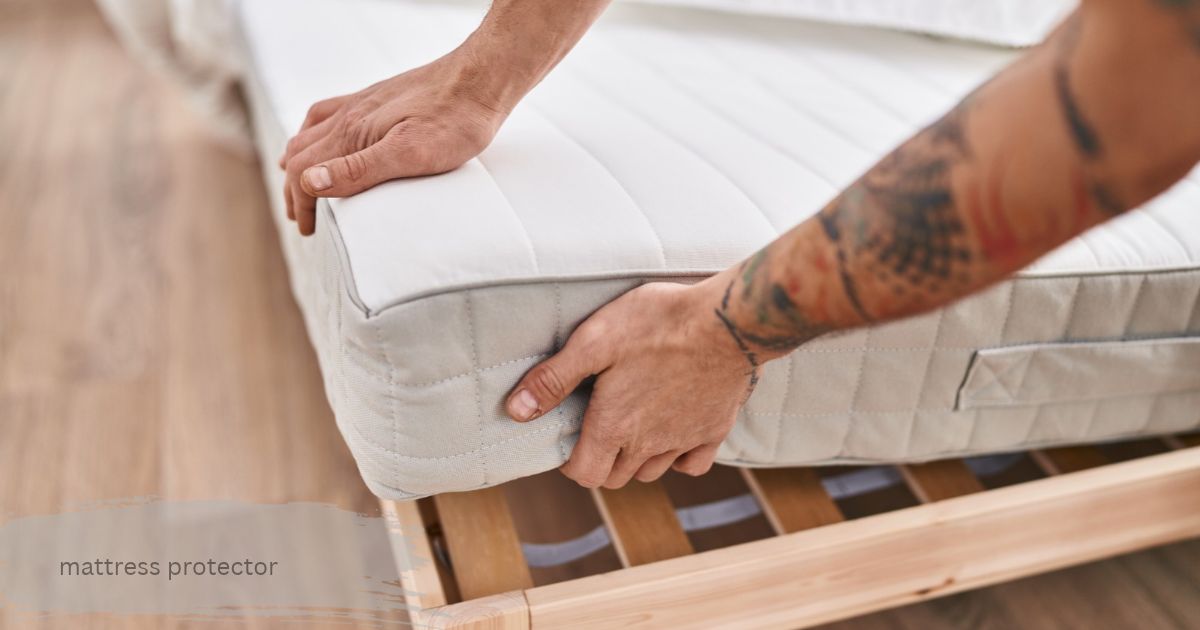
Getting the Size and Depth Right
Measure the height of your mattress from the top seam to the bottom edge before you shop. A queen cover will not stretch to fit a king, and a cover with a shallow skirt will pop off a thick hybrid bed. Many Canadian brands list fit ranges, such as beds up to sixteen inches tall. Also check exact dimensions for double, queen and king, because sizing varies a little between stores.
Budget Guide: How Much a mattress protector Really Costs Across Canada
For a queen size bed, plenty of shoppers pay roughly forty to one hundred and fifty Canadian dollars, depending on fabric and brand. Budget polyester options sit at the low end, while cooling Tencel and bamboo blends cost more. Retailers such as Walmart, JYSK, IKEA and Costco often run sales, so compare prices and return terms before you commit. Spending a little extra for a quiet, washable cover usually beats buying the cheapest plastic sheet and replacing it twice.
Washing and Care for a Longer Life
Most covers can go in the washing machine on a gentle cycle. Wash yours every two to three months, or monthly if pets or children share the bed. Use mild detergent and skip fabric softener and bleach, which can damage the waterproof layer. Dry on low heat or hang it up. Air out the bare mattress for a few hours whenever you change the cover, especially during humid months.
Conclusion
A mattress protector costs far less than a replacement bed, and it protects your warranty, your health and your sleep in one simple step. Choose a breathable waterproof layer, match the size to your bed, pick a fabric that suits your body temperature, and wash it on a schedule. Do that and your bed stays clean, comfortable and ready for many more nights, which is exactly what a smart Canadian shopper wants.
FAQs
How do I choose a waterproof mattress cover?
Start with your biggest worry, whether that is spills, heat or allergies. Then check the fabric, the depth range, and how quiet the waterproof backing is. Read recent reviews about noise and washing, and confirm the size fits your bed.
What is the difference between a zippered and a fitted cover?
A fitted cover works like a fitted sheet and protects the top and sides. A zippered cover wraps the whole bed on all six sides, which helps more with dust mites and bed bugs. Fitted is easier to use, while zippered gives fuller coverage.
How much should I expect to pay for a cover in Canada?
For a queen size bed, many shoppers spend around forty to one hundred and fifty dollars. The price depends on the fabric, the waterproof layer and the brand. Sales are common, so waiting for one can save money.
What should I check before buying a waterproof cover at Costco or Walmart?
Check the size and depth range first, then the fabric type and whether it is machine washable. Look at the return policy and the warranty length, and read customer reviews for comments about noise and heat.
